Nîmes–Alès–Camargue–Cévennes Airport
A regional gateway to Provence, Cévennes, and Camargue, serving primarily low-cost and leisure travelers.


Overview of the Airport
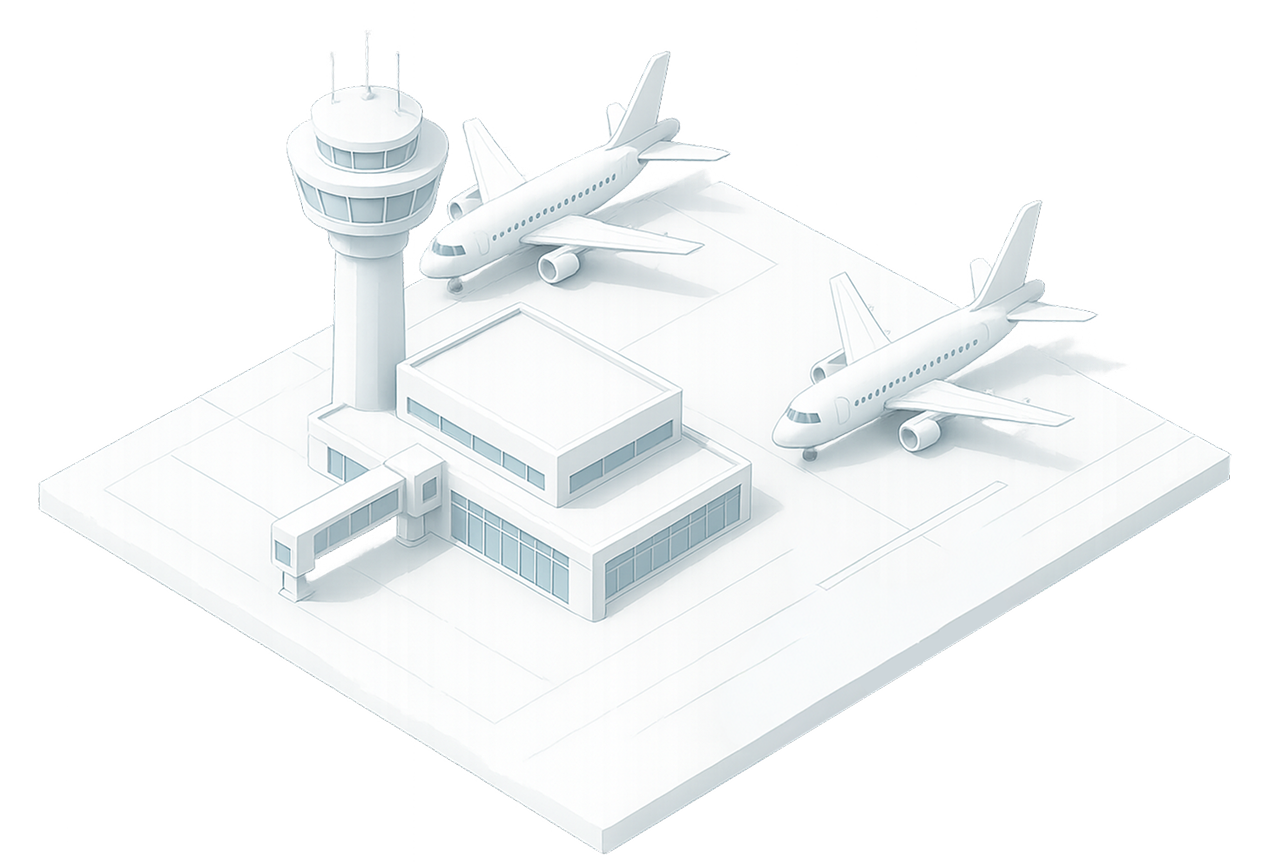
Nîmes–Alès–Camargue–Cévennes Airport (FNI) is located 9 km south-southeast of Nîmes in Saint-Gilles, France. It serves as a compact hub for Ryanair and charter flights, connecting the region to major European destinations. The airport offers straightforward passenger services and accessibility features for travelers with reduced mobility.
43.7574, 4.4163
Growth Trend
Passenger traffic increased by 5.7% year-over-year in 2023.

Employment
210
Staff includes airline personnel, ground services, security, concessions, and airport administration.

Global Ranking
Market Share of Major Airlines
Capacity Expansion
Recent terminal upgrades and expanded parking enhance capacity for peak summer traffic and charter operations.

Technological Advancements
Digital signage, automated check-in kiosks, and improved accessibility systems streamline passenger flow.
Sustainability Initiatives
LED lighting, waste reduction programs, and local partnerships support environmental objectives.

Latest News & Updates
Recent developments and updates for Nîmes–Alès–Camargue–Cévennes Airport.
Nîmes-Alès-Camargue-Cévennes Airport reports record passenger numbers in 2023
Nîmes Airport (FNI) recorded a significant increase in passenger numbers throughout 2023, exceeding expectations and marking a strong recovery following the pandemic. The airport attributes this growth to increased demand for leisure travel and the expansion of its flight routes.
Nîmes airport welcomes first Ryanair flights to the UK
Nîmes Airport has welcomed its first direct flights to the UK, operated by Ryanair, opening up new travel opportunities for passengers in the region. This expansion is expected to boost tourism and connectivity to key destinations.
Nîmes Airport announces new partnership with Air France
Nîmes Airport has announced a new partnership with Air France, which will see increased flights to Paris and other key destinations from the airport. This collaboration aims to further strengthen the airport's connectivity and cater to growing passenger demand.
Operations Logistics & Timelines
Step-by-step process transit times for passengers and cargo.
For Clients
Passenger process times from arrival to gate.
- Arrival to Baggage Claim10-20 mins
- Baggage Claim to Passport Control5-15 mins
- Passport Control to Terminal Lounges/Waiting Area5-10 mins
- Terminal Lounges/Waiting Area to Gate10-25 mins
For Employees
Cargo handling deadlines and operational procedures.
- General Cargo Cut-Off - Domestic60 mins pre-departure
- General Cargo Cut-Off - International90 mins pre-departure
- Dangerous Goods Submission Cut-Off48 hours pre-departure
- Live Animals Cut-Off24 hours pre-departure
- Over-Size Cargo Cut-Off36 hours pre-departure
- Passenger Boarding Cut-Off30 mins pre-departure
- Load Weighing Deadline15 mins pre-departure
- Aircraft Turnaround Time (Minimum)90 minutes
- Cargo Handling Team Briefing30 mins prior to each flight
Passengers' Tips & Tricks
- 1
Utilize the Shuttle Service for Airport Transfers
Nîmes–Alès–Camargue–Cévennes Airport is located outside of the city center. The most convenient way to reach your destination is by taking the official airport shuttle service. Book your tickets in advance, especially during peak season, to guarantee your seat. The shuttle runs regularly and offers a cost-effective alternative to taxis.
- 2
Allow Ample Time for Security and Check-in
FNI can be a busy airport, particularly during the summer months. Security lines can be lengthy, and check-in procedures can take longer than you might expect. Aim to arrive at least 2 hours before your scheduled departure time, especially for international flights, to avoid any unnecessary stress.
- 3
Familiarize Yourself with the Terminal Layout
The airport terminal is relatively small, but it's beneficial to familiarize yourself with its layout before you start your journey. Locate check-in counters, security gates, baggage claim areas, and restrooms on a map to streamline your experience. The airport website has a helpful terminal map.
- 4
Currency Exchange and ATM Availability
While some establishments within the airport offer currency exchange services, it’s generally recommended to exchange currency before your trip to potentially get a better rate. There is an ATM located within the departures area for your convenience. Check with your bank regarding international transaction fees.
- 5
Check Baggage Allowances Carefully
Ensure you are aware of the specific baggage allowance requirements for your airline and destination. Adhering to these rules will help avoid unexpected fees or delays at the check-in counter. Weight and size restrictions are strictly enforced.
Cargo Tips & Tricks
- 1
Understand Cargo Restrictions
FNI, as a regional airport, has specific cargo limitations. Before shipping, meticulously check the airline's and FNI's current regulations regarding size, weight, hazardous materials, and prohibited items. Contact the airline directly for the most up-to-date information.
- 2
Consider Ground Transportation Logistics
The airport's location outside of Nîmes and Alès necessitates careful planning for ground transportation. Factor in potential delays due to road traffic, especially during peak hours. Arrange reliable pickup and delivery services in advance.
- 3
Utilize Local Forwarding Agents
Working with a local freight forwarding agent familiar with FNI can significantly streamline the process. They can handle customs clearance, ground transportation, and ensure efficient handling of your cargo.
- 4
Allow Ample Time for Customs and Security
Due to the airport's smaller size, customs and security procedures can sometimes take longer. Build buffer time into your schedule to avoid delays and potential missed connections. Ensure proper documentation is prepared.
- 5
Confirm Flight Schedules and Capacity
Flight schedules at FNI can be subject to change. Verify your cargo flight’s schedule and available capacity with the airline well in advance of your shipment's arrival. Confirm baggage handling capabilities to suit your cargo type.
Tools & Resources
Essential tools, portals, and resources for clients and partners.
Data & Reports
Official statistics, research reports, and data tracking for Nîmes–Alès–Camargue–Cévennes Airport.
Nimes-Ales-Camargue airport (FNI)
Official airport website with location details, contact information, airlines, flight status, transportation, facilities, and FAQs.
Nîmes Airport (FNI) | Nîmes-Alès-Camargue-Cévennes Info
Airport information page detailing the airport's facilities, Ryanair flights, and regional connections.
Nîmes-Alès-Camargue-Cévennes Airport Profile, IATA & ICAO Codes …
Airport profile providing IATA and ICAO codes, coordinates, and city enrichment data, useful for travel companies.
Nimes-Ales-Camargue-Cevennes Airport - E-tracking
E-tracking page offering insights into air freight rates, schedules, dwell times, airline details, and airport news for Nîmes-Alès-Camargue-Cévennes Airport.
Nîmes–Alès–Camargue–Cévennes Airport - Wikipedia
Wikipedia page providing a general overview of the airport's location, history, and codes.
Location & Maps
Find Nîmes–Alès–Camargue–Cévennes Airport on popular mapping services.
Interactive Map
Map Legend
Loading Google Maps...
Frequently Asked Questions
Common inquiries about operations and logistics at Nîmes–Alès–Camargue–Cévennes Airport.
What is the passenger process like at Nîmes–Alès–Camargue–Cévennes Airport (FNI)?
Passengers arriving at FNI typically proceed through security screening and then to baggage claim. Customs is located after baggage claim. The airport has limited facilities beyond these core areas, and connecting transport is essential. Allow ample time for transfers.
Does FNI handle cargo operations?
Yes, FNI handles cargo operations, primarily focused on business aviation and general aviation charters. It primarily serves as a regional airport for these types of cargo, not large-scale freight movements.
What transport options are available to and from Nîmes–Alès–Camargue–Cévennes Airport?
Ground transport to and from FNI is limited. Taxis are available, but can be infrequent. Shuttle services are often arranged privately. Car rental is available from the airport. The nearest major cities, Nîmes and Montpellier, are approximately 60-80km away and require bus or taxi transfers.
Is there a dedicated long-term parking facility at FNI?
No, FNI does not offer a dedicated, managed long-term parking facility. Passengers are advised to utilize public parking areas, which may have limited availability and are not necessarily regularly monitored.
For More Info
Third-party resources, government portals, ratings, and more.
