Winnipeg James Armstrong Richardson International Airport
Canada's seventh busiest airport, serving as a key hub for central Canadian air travel.


Overview of the Airport
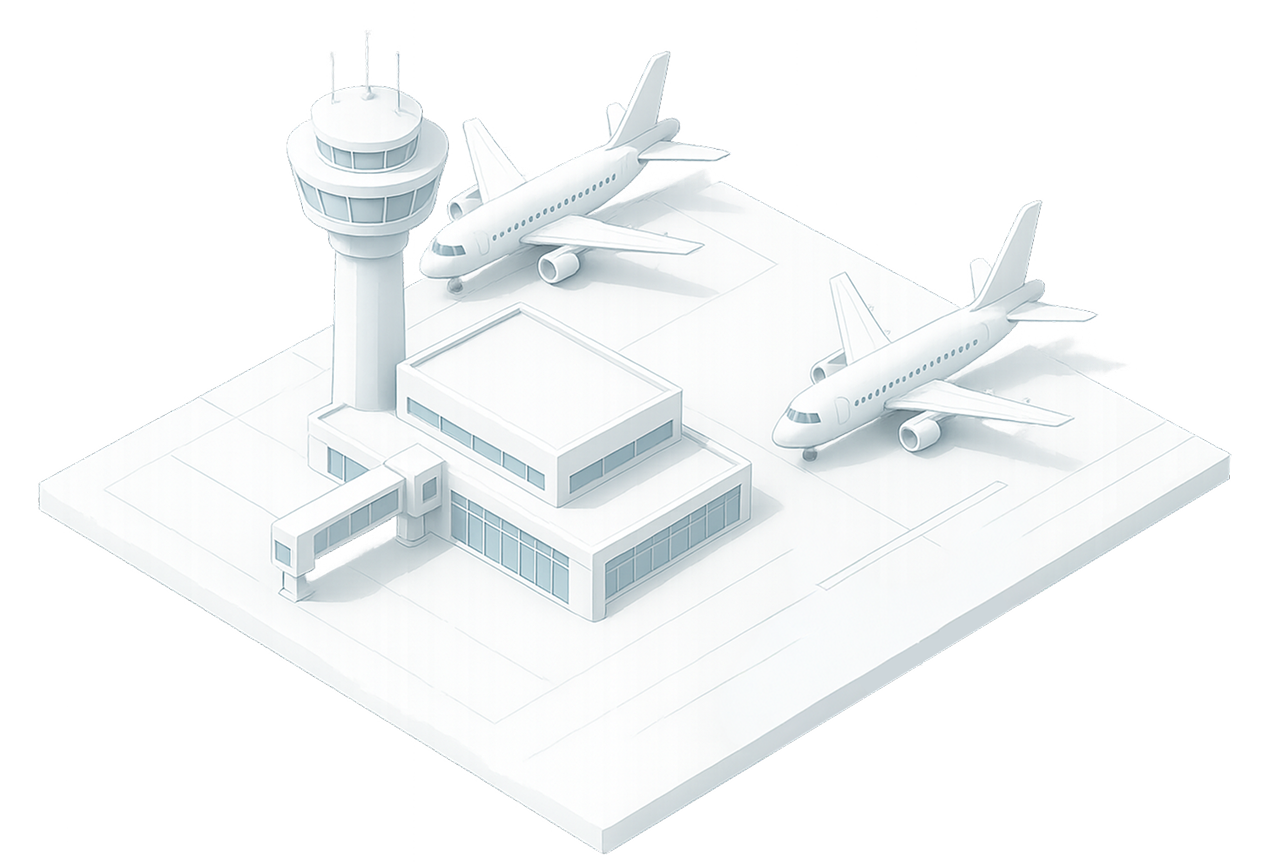
Winnipeg James Armstrong Richardson International Airport (YWG) is located approximately 7 km northwest of downtown Winnipeg. It serves as the primary gateway for Manitoba and central Canada, supporting both domestic and international flights.
49.9099, -97.2399
Growth Trend
Passenger traffic increased by 4.9% year-over-year in 2024.

Employment
4,000
Workers include airline staff, ground services, retail, security, and airport operations.

Global Ranking
Market Share of Major Airlines
Capacity Expansion
Ongoing terminal upgrades and apron expansions are increasing passenger and cargo handling capacity.

Technological Advancements
Deployment of touchless check-in, advanced baggage systems, and digital wayfinding enhances efficiency.
Sustainability Initiatives
Implementation of LED lighting, electric ground vehicles, and waste reduction programs supports environmental goals.

Latest News & Updates
Recent developments and updates for Winnipeg James Armstrong Richardson International Airport.
Air Canada cancels hundreds of flights due to Winnipeg weather
Air Canada has cancelled hundreds of flights from Winnipeg James Armstrong Richardson International Airport (YWG) due to ongoing severe weather conditions, including heavy rain and strong winds.
Winnipeg airport reporting significant delays due to weather
Winnipeg James Armstrong Richardson International Airport (YWG) is experiencing significant delays across its terminals due to ongoing weather impacts, including rainfall and wind.
Winnipeg airport seeking federal assistance amid travel chaos
Winnipeg James Armstrong Richardson International Airport (YWG) is requesting federal government assistance to manage ongoing travel disruptions caused by severe weather.
Operations Logistics & Timelines
Step-by-step process transit times for passengers and cargo.
For Clients
Passenger process times from arrival to gate.
- Arrival & Baggage Claim10-20 mins
- Customs & Immigration15-45 mins
- Check-in/Drop-off10-15 mins
- Security Screening20-45 mins
- Gate Transportation5-15 mins
- Boarding5-10 mins
For Employees
Cargo handling deadlines and operational procedures.
- General Cargo Cut-off60 mins pre-departure
- Arrival HandlingUpon arrival, cargo is directed to the designated cargo area.
- Customs ClearanceCargo undergoes customs inspection and clearance procedures.
- X-ray ScreeningAll cargo passes through an X-ray screening system.
- Sorting & WeighingCargo is sorted and accurately weighed based on destination and flight manifest.
- LoadingLoaded onto the designated aircraft.
- Documentation VerificationFinal documentation check to ensure accuracy and compliance.
Passengers' Tips & Tricks
- 1
Arrive Early
Allow extra time for check-in, security screening, and potential delays, especially during peak travel periods. YWG is a busy airport.
- 2
Utilize Public Transportation
Take advantage of Winnipeg’s public transportation system (Winnipeg Transit) to reach the airport. It's approximately 5 miles from downtown and offers a convenient alternative to driving.
- 3
Check Terminal Information
Confirm your airline's terminal at YWG before your departure. Air Canada operates from Terminal 3, while Air Wisconsin operates from Terminal 1.
- 4
Explore Airport Amenities
YWG offers various facilities, including shops, restaurants, and charging stations, to enhance your travel experience. Utilize the airport terminal maps for navigation.
- 5
Monitor Flight Status Regularly
Stay updated on your flight's status via the airport’s website or app to proactively address any potential disruptions.
Cargo Tips & Tricks
- 1
Book in Advance
Air freight capacity at YWG fluctuates significantly based on demand. Booking your cargo shipment well in advance ensures availability and often secures better rates, particularly during peak seasons.
- 2
Utilize Swissport Services
Leverage Swissport’s ground services at YWG for efficient handling of your cargo. Their expertise in baggage and cargo management can streamline operations and reduce potential delays.
- 3
Understand Terminal Access
YWG’s airport is located 9 kilometers from Winnipeg Downtown. Plan your transportation logistics accordingly to minimize delays and ensure timely pickup of your freight.
- 4
Work with Specialized Cargo Carriers
Partner with established cargo carriers like FedEx, UPS Airlines, Cargojet Airways, and Perimeter Aviation operating at YWG to benefit from their specialized infrastructure and global networks.
- 5
Confirm Ground Support Requirements
Coordinate with Just Aviation Flight Support Solutions or similar providers for comprehensive ground support, including ramp handling, customs clearance, and documentation assistance, to optimize your cargo’s journey through YWG.
Tools & Resources
Essential tools, portals, and resources for clients and partners.
Data & Reports
Official statistics, research reports, and data tracking for Winnipeg James Armstrong Richardson International Airport.
Winnipeg Airports Authority - Reports & Publications
This page provides access to passenger statistics, economic impact reports, and annual reports for the Winnipeg Airports Authority.
Winnipeg Airport (YWG) | James Armstrong Richardson Info
Provides location information and a general overview of the airport, serving as a primary gateway for Manitoba and central Canada.
FluentCargo - Winnipeg James Armstrong Richardson International Airport (YWG)
Lists carriers serving YWG and ranks them by scheduled frequency.
Winnipeg James Armstrong Richardson International Airport - Wikipedia
A detailed Wikipedia article providing information about the airport's IATA and ICAO codes, location, and significance.
Location & Maps
Find Winnipeg James Armstrong Richardson International Airport on popular mapping services.
Interactive Map
Map Legend
Loading Google Maps...
Frequently Asked Questions
Common inquiries about operations and logistics at Winnipeg James Armstrong Richardson International Airport.
What is the process for international passenger arrivals?
Passengers arriving from international flights proceed through customs and immigration upon exiting the arrival terminal. You will be screened for admissibility and required to fill out any necessary documentation before departing the airport.
How does YWG handle cargo and freight shipments?
YWG operates a dedicated cargo facility for handling freight and express shipments. Cargo operations include secure storage, customs clearance, and connections to various transportation modes, ensuring efficient global trade.
What transportation options are available to/from YWG?
Various ground transportation options are available, including taxi services, ride-sharing apps, and airport shuttle services. Public transit, including Winnipeg Transit buses, also provides access to the airport terminal.
For More Info
Third-party resources, government portals, ratings, and more.
