Bosch Initiates Sample Chip Production at New California Semiconductor Facility

Mark Thompson
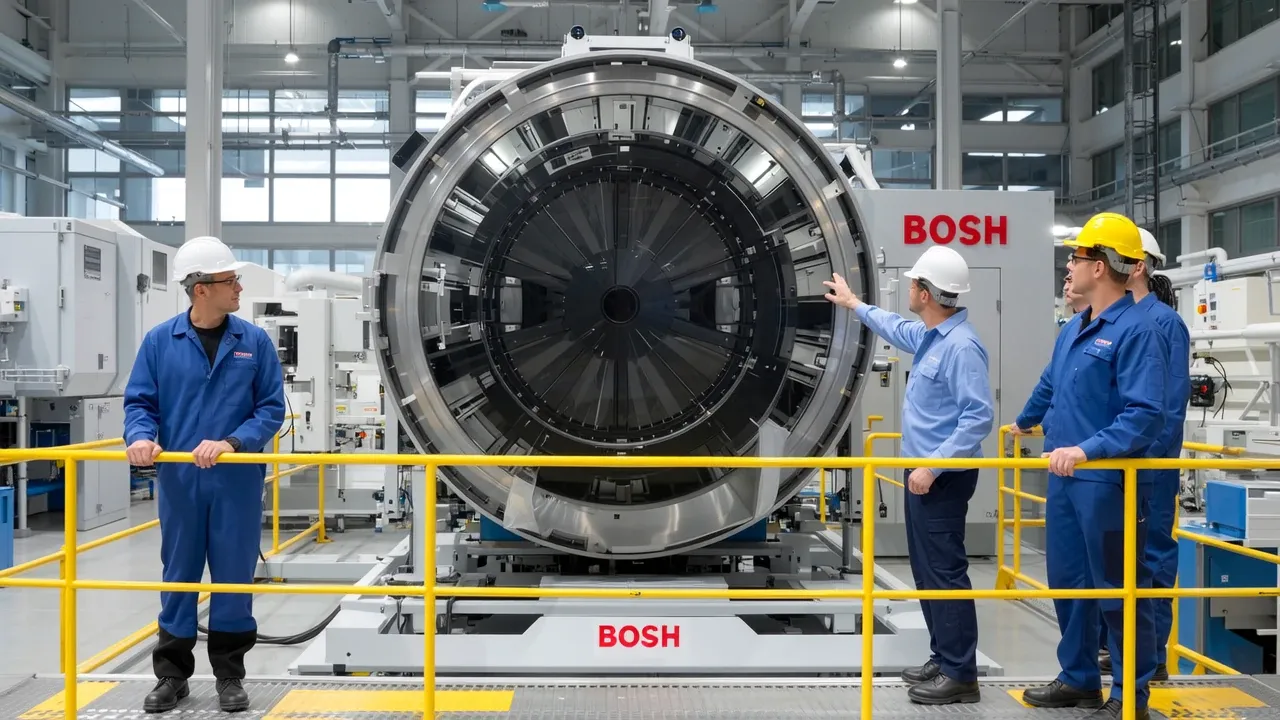
Operational Milestone: Bosch Commences Chip Sampling in Rosewood
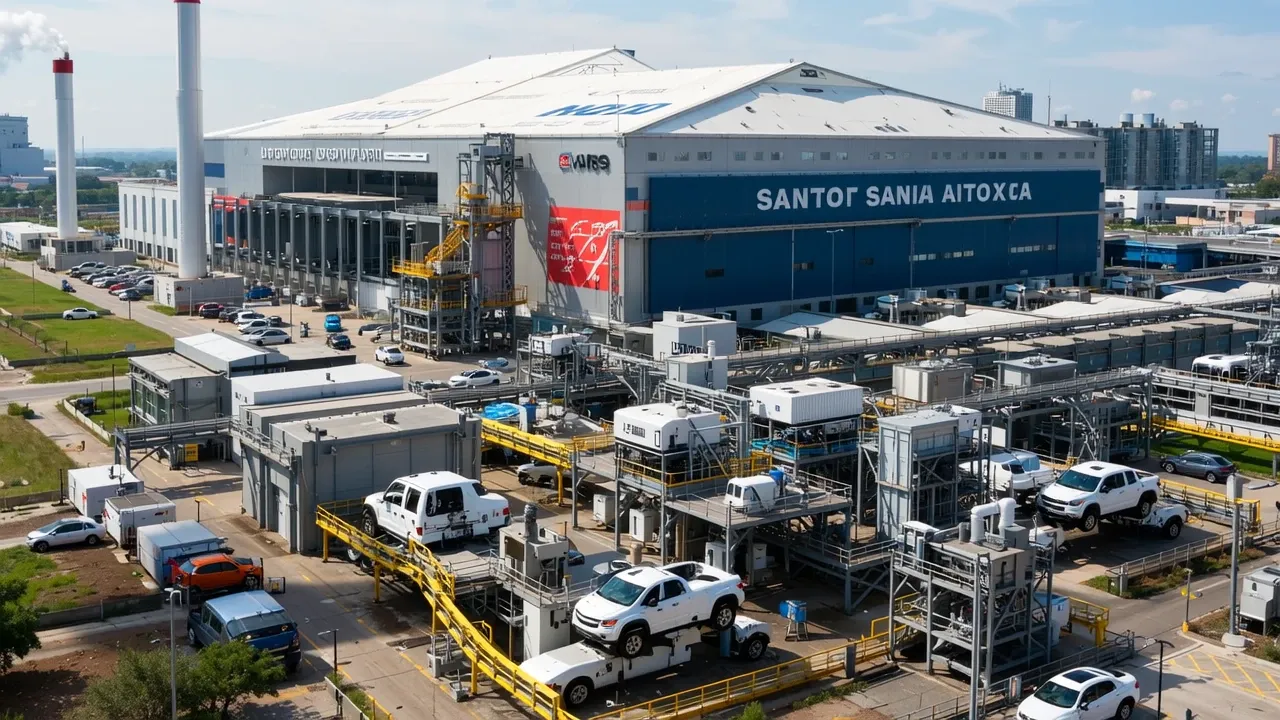
Bosch has reached a significant operational milestone with the commencement of sample chip production at its newly established semiconductor facility in Rosewood, California. This facility represents a substantial investment, reportedly valued at $2 billion, positioning the company to enhance its domestic manufacturing footprint within the critical semiconductor supply chain. The initiation of sample production signals a critical transition phase, moving the operation from initial setup and validation toward scaled manufacturing.
Semiconductor fabrication plants (fabs) are among the most complex and capital-intensive industrial assets globally. The ability to transition from pilot runs to producing functional samples is a key indicator of process maturity. For a major global player like Bosch, establishing this capability in the United States addresses growing geopolitical and logistical pressures concerning supply chain resilience. The plant's operation is closely watched by industry analysts as it reflects broader trends toward regionalizing high-tech manufacturing, a shift accelerated by recent global disruptions.
This development is particularly noteworthy given the current global demand for advanced electronic components. As industries worldwide continue to integrate more sophisticated electronics—from automotive systems to consumer devices—the reliable, localized sourcing of chips becomes a strategic imperative. The move into California, a hub for advanced technology, suggests a focus on leveraging specialized regional talent and infrastructure. Further details regarding the timeline for full production are anticipated later this year, according to reports SupplyChain247.com | Bosch Begins Sample Chip Production at $2 Billion California Plant.
The logistical implications of such a massive facility are considerable. Sourcing specialized raw materials, managing the highly controlled environment of fabrication, and eventually shipping finished or semi-finished goods require sophisticated, end-to-end logistics planning. This involves managing complex transportation modes, including specialized freight for sensitive materials, and ensuring compliance with stringent international trade regulations, as monitored by bodies like the U.S. Department of Commerce [U.S. Department of Commerce | Export Administration Regulations]. The successful operation of this plant underscores the need for robust, adaptable supply chain partners capable of handling high-value, sensitive cargo.
This move aligns with broader governmental and industry pushes to secure domestic advanced manufacturing capabilities. The complexity of moving and integrating equipment for a facility of this scale requires expert management of project logistics, ensuring that highly sensitive machinery arrives and is installed according to exacting specifications. This level of operational complexity requires deep expertise in global supply chain management, encompassing everything from customs clearance to final site integration. The successful ramp-up of production is a testament to meticulous planning across procurement, construction, and operational logistics.
Explore More Articles

Implications for Global Logistics and High-Tech Supply Chains
The establishment of a $2 billion semiconductor plant in the U.S. highlights the increasing strategic importance of semiconductor manufacturing within the global economy. These facilities are not merely production sites; they are critical nodes in the modern digital infrastructure. The transition to sample production marks the beginning of a complex logistical lifecycle. Before the chips are even fabricated, the movement of highly specialized equipment—often requiring climate-controlled, vibration-dampened transport—must be managed flawlessly. This initial phase tests the capability of logistics providers to handle ultra-high-value, low-volume, high-sensitivity cargo.
As Bosch moves toward full production, the logistical demands will shift from capital equipment transport to the continuous flow of raw materials (wafers, chemicals, gases) and the subsequent outbound shipment of finished components. Maintaining the integrity of these materials throughout the supply chain is paramount. Any disruption in the flow of precursor chemicals or specialized substrates can halt production entirely. This necessitates a deep understanding of hazardous materials handling and temperature-controlled logistics, areas where specialized 3PL expertise is crucial. Furthermore, the final distribution of these chips to assembly plants across the globe requires optimized routing and customs navigation, especially given current international trade dynamics [U.S. Trade Representative | Trade Policy Updates].
The semiconductor industry's reliance on just-in-time (JIT) inventory models means that supply chain latency is extremely costly. Delays in shipping components can translate directly into millions of dollars in lost production time. Therefore, the operational success of this plant depends heavily on the reliability and agility of its upstream and downstream logistics partners. Analyzing labor market trends in specialized manufacturing environments, such as those tracked by the Bureau of Labor Statistics [Bureau of Labor Statistics | Employment Statistics], also informs the operational staffing and support required for such a massive undertaking.
This investment underscores a trend toward supply chain diversification, moving away from single-source dependencies. Companies are actively building redundancy into their sourcing strategies, making the efficiency and resilience of their logistics networks a core competitive advantage. For logistics providers, this signals a sustained, high-growth demand for specialized, technologically adept supply chain solutions.

Loading comments...