Toyota's $3.6B Expansion Signals Major Shift in US Manufacturing Footprint

Mark Thompson
Strategic Investment Reshapes Automotive Supply Chains
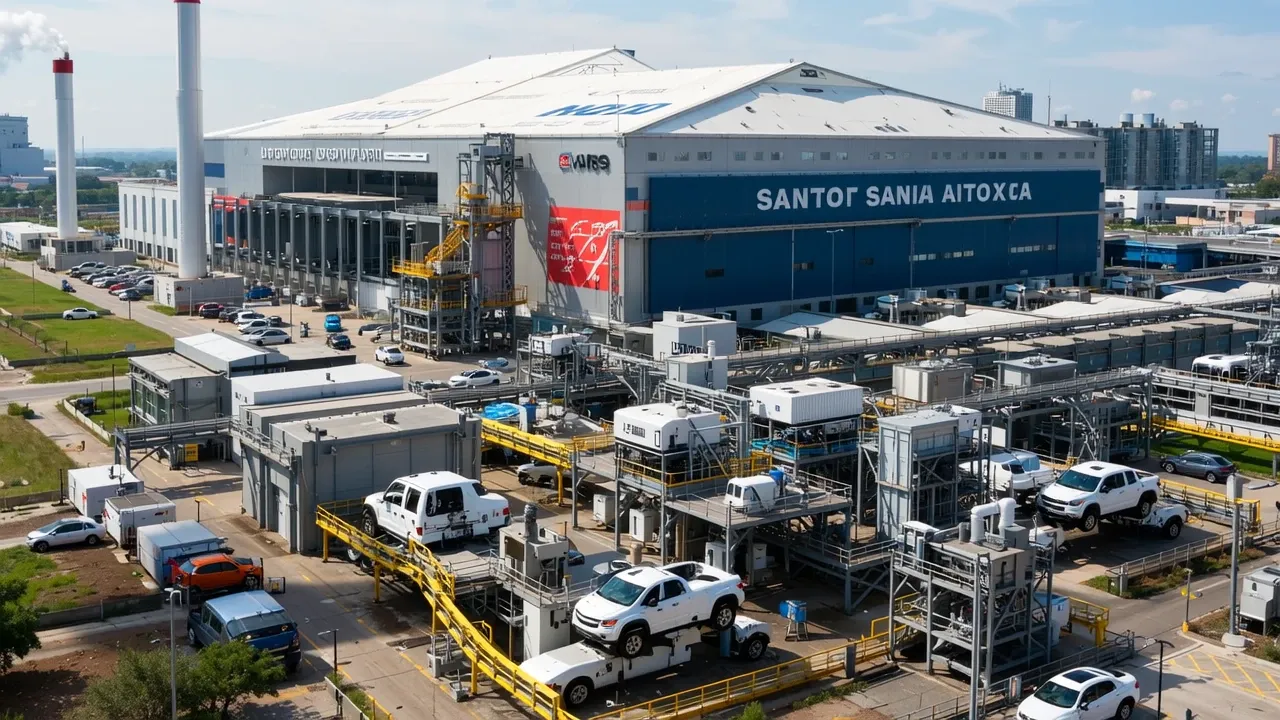
Toyota has announced a substantial capital investment of $3.6 billion to significantly expand its manufacturing operations in San Antonio, Texas. This expansion is not merely a capacity increase; it represents a strategic realignment of production capabilities, specifically involving the relocation of Tacoma vehicle production to the Texas facility. This move underscores a growing trend among major global manufacturers to deepen their operational footprint within the United States, driven by factors including nearshoring trends, evolving trade dynamics, and the imperative for resilient regional supply chains. The commitment translates directly into the creation of approximately 2,000 new jobs in the region, providing a significant economic stimulus.
From a logistics perspective, this scale of investment necessitates a corresponding overhaul and scaling of inbound and outbound supply chain infrastructure. Moving production lines and integrating new assembly processes requires robust coordination across raw material sourcing, component delivery, and finished goods distribution. The operational complexity involved in such a transition highlights the critical role of sophisticated third-party logistics providers in managing the transition phase and sustaining long-term operational efficiency. For analysts tracking industrial capacity, this development provides a concrete data point regarding automotive sector investment confidence in the US market. Further details on the scope of this investment can be found in reports covering the announcement SupplyChain247.
The integration of new production lines demands precise management of just-in-time (JIT) inventory flows. Any disruption in the flow of parts—whether semiconductors, body panels, or interior components—can halt the entire assembly line, leading to significant financial penalties and delays. This reliance on flawless execution across multiple tiers of suppliers emphasizes the need for advanced supply chain visibility tools. Furthermore, the increased output volume will place greater demands on regional transportation networks, requiring optimized routing and increased fleet capacity to handle the elevated volume of finished vehicles moving to domestic and international distribution hubs. Regulatory compliance regarding labor and environmental standards will also become a heightened focus as operations scale, aligning with broader governmental initiatives aimed at bolstering domestic industrial capacity, as monitored by the Department of Transportation (DOT).
This decision reflects a broader industrial trend where companies are balancing global sourcing efficiencies against the strategic advantages of localized production, a concept often discussed in relation to supply chain risk mitigation strategies. The ability of the Texas facility to absorb and manage this increased complexity will be a key indicator of its long-term operational viability in a competitive manufacturing landscape. This shift requires not just physical expansion, but a complete re-engineering of the logistical ecosystem supporting the Tacoma model.
Explore More Articles
Operational Implications for Freight and Distribution
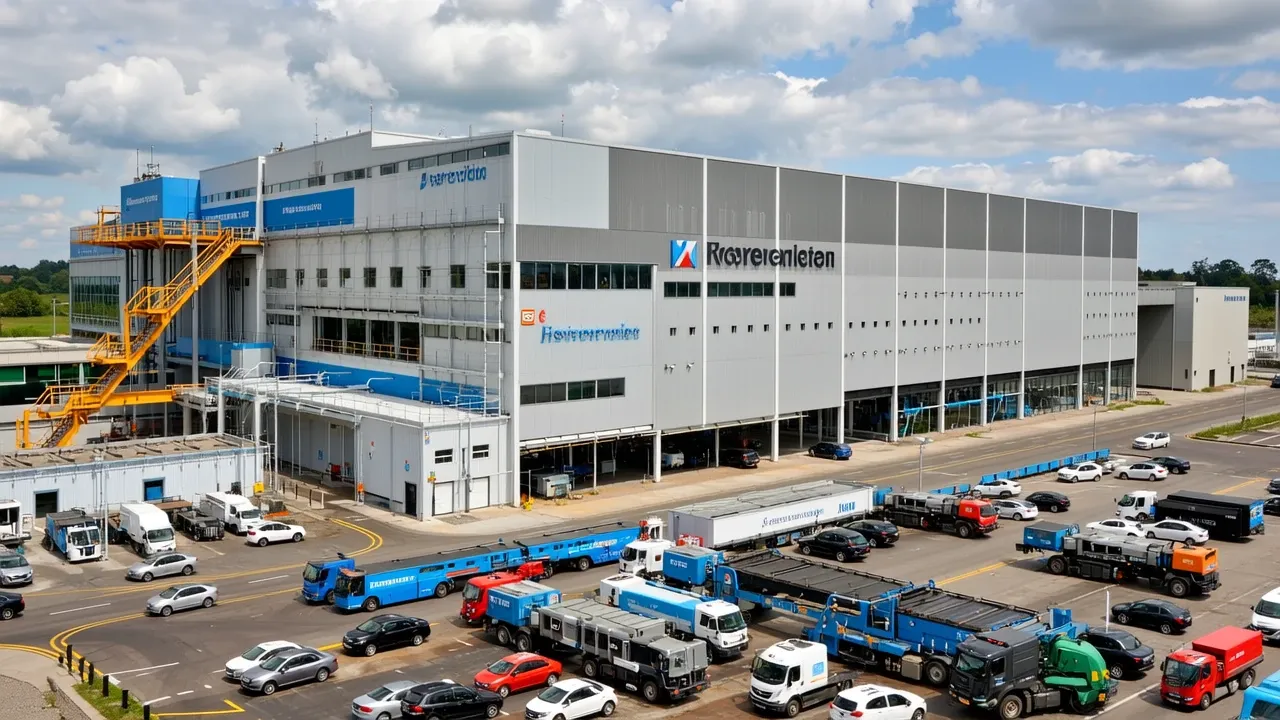
The relocation and expansion of a major assembly plant like Toyota's introduces several critical operational vectors for the logistics sector. The initial phase of this expansion involves significant capital expenditure on infrastructure, which translates into immediate, high-volume requirements for specialized freight services—heavy haulage for machinery relocation, and construction material transport. Once production ramps up, the focus shifts to sustained, high-frequency movement of goods. The Tacoma model, being a popular pickup truck, suggests a substantial volume of finished goods requiring distribution across North America. This necessitates optimized multimodal transport solutions, balancing the cost-effectiveness of long-haul trucking against the capacity of rail networks for bulk movement.
For the supply chain to function seamlessly, the integration of advanced tracking and inventory management systems is paramount. Delays in component delivery directly impact production schedules, which in turn impacts shipping timelines for finished vehicles. Industry benchmarks suggest that modern automotive supply chains require near real-time data exchange between Tier 1 suppliers and the OEM. Furthermore, the increased operational footprint will likely necessitate the expansion of regional warehousing and distribution center (DC) capacity to buffer against unforeseen transportation disruptions, a key area of focus for logistics planning. Understanding the dynamics of freight movement, including the complexities of cross-border versus domestic transport, is vital for managing this growth. For deeper insight into labor market trends supporting such industrial growth, resources from the Bureau of Labor Statistics (BLS) provide valuable context on regional employment shifts. The successful execution of this expansion hinges on the ability of logistics partners to scale capacity predictably and maintain service levels under increased throughput demands.


Loading comments...