Hormuz Deadlock Drives Gulf Container Rates to Record Peaks

Sarah Williams
Geopolitical Tensions Fuel Surge in Ocean Freight Costs
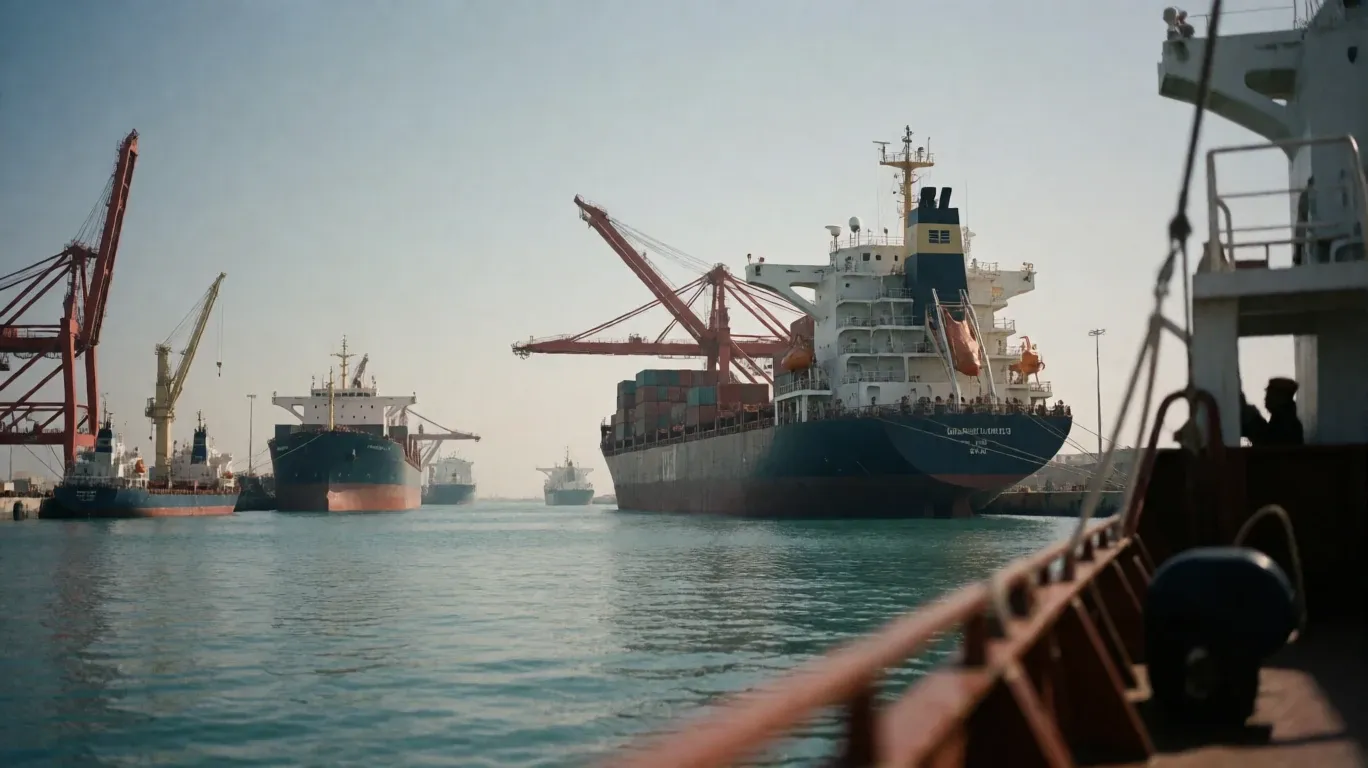
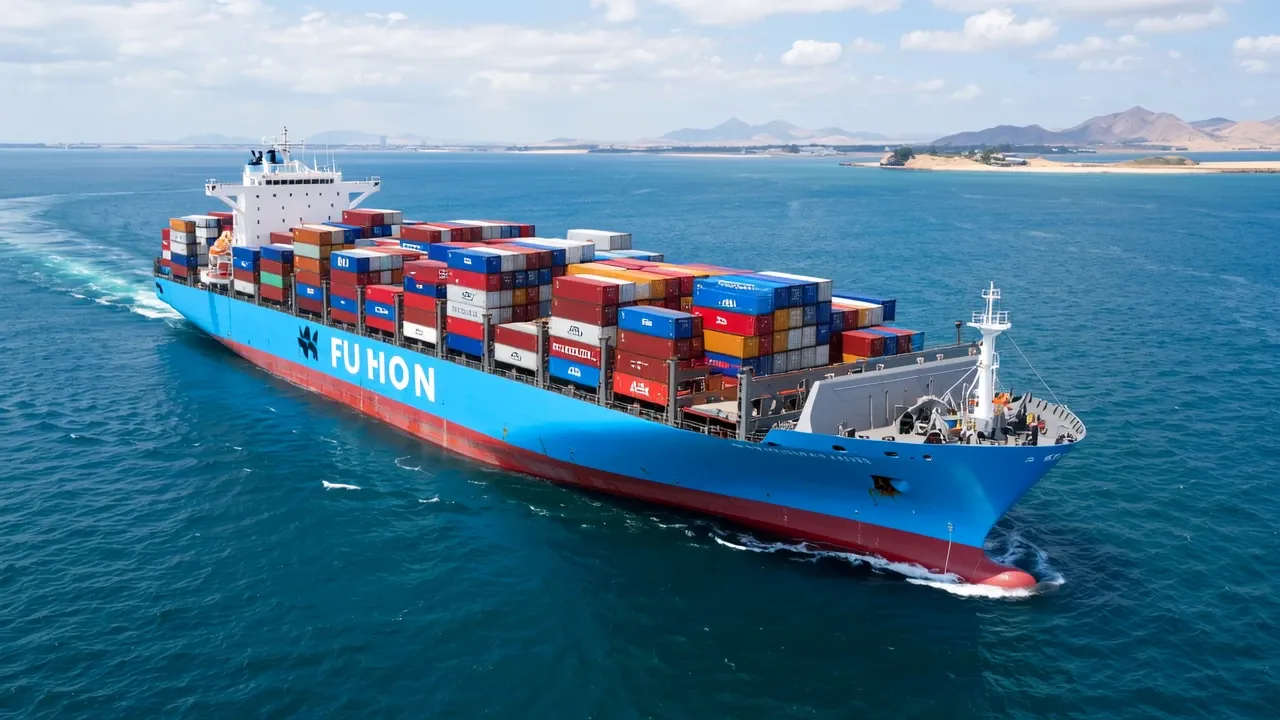
The failure of Omani-led diplomatic efforts aimed at resolving passage issues through the Straits of Hormuz has delivered a significant operational shock to Middle Eastern shippers. This geopolitical instability is exacerbating existing pressures, pushing Gulf region container shipping costs to unprecedented levels. The ongoing tensions, linked to the broader US-Israel-Iran conflict, introduce substantial uncertainty into global maritime trade routes, directly impacting the economics of ocean-freight-shipping.
The Straits of Hormuz is a critical chokepoint for global energy and trade. Any disruption, or even the threat of disruption, immediately translates into increased risk premiums, insurance costs, and operational delays across the entire supply chain. Shippers are currently navigating an environment where risk assessment is paramount, making reliable international-shipping-solutions more complex and expensive than in previous cycles. As reported by The Loadstar, the collapse of talks dealt another blow to Middle East shippers struggling with the highest container shipping costs on record The Loadstar Report.
This situation highlights the fragility of global logistics networks when subjected to geopolitical volatility. Companies must rapidly adapt their shipping-route-optimization strategies to mitigate exposure. The increased risk profile necessitates careful consideration of alternative transit corridors, even if they introduce higher costs or longer transit times. Furthermore, the strain on capacity, coupled with heightened security concerns, is intensifying the existing container-shortage-impact.
Industry analysts are closely monitoring how these maritime risks interact with broader economic indicators. For instance, global trade volumes and energy prices, tracked by organizations like the USTR, provide context to the operational challenges faced by carriers. The volatility in the Gulf region forces logistics providers to enhance their international-shipping-coordination capabilities to manage unpredictable schedules and pricing structures. Effective risk management now requires more than just booking space; it demands deep visibility into potential chokepoint vulnerabilities. This environment underscores the need for robust container-management-solutions that can dynamically adjust to external shocks, moving beyond standard operational procedures to incorporate geopolitical risk modeling. The pressure on carriers to maintain service levels while absorbing heightened risk premiums is immense, affecting everything from vessel scheduling to the management of empty-container-transit.
Explore More Articles
Operational Implications for Global Logistics Providers
The record-high rates observed in Gulf trade lanes are not solely a function of political events; they are compounded by structural supply chain constraints. The current climate demands that logistics operators move beyond reactive freight movement to proactive supply chain resilience. When transit security is compromised, the cost of insuring cargo and vessels rises commensurately, which is passed directly down the chain to the shipper. This dynamic is amplified by the persistent challenges in maintaining efficient vessel utilization, particularly concerning the deployment of Ultra-Large Container Vessel (ULCV) capacity.
Logistics firms must now integrate geopolitical risk assessment into their core operational planning. This involves more than simply rerouting; it requires detailed analysis of potential delays, customs bottlenecks at alternative ports, and the associated costs of expedited handling. For instance, delays caused by route deviations require sophisticated shipping-route-deviation-management protocols to prevent cascading failures across the network. Furthermore, the heightened cost environment puts pressure on the viability of traditional house-to-house-shipping models, pushing some clients toward more direct, albeit potentially more expensive, house-to-pier-shipping arrangements to control variables.
To maintain operational integrity amid this turbulence, advanced visibility tools become non-negotiable. Real-time data on vessel locations and cargo status, facilitated by advanced container-tracking-systems, allows for timely intervention when disruptions occur. This level of granular control is essential for managing the increased uncertainty inherent in high-risk maritime corridors. Regulatory bodies, such as the FMC, continue to monitor market behavior, ensuring that price spikes are driven by genuine supply/demand imbalances rather than anti-competitive practices, though the current situation is primarily driven by external risk factors. Companies relying on these routes must engage in deep-dive scenario planning, informed by data from sources like Gartner regarding global trade flow predictions, to ensure continuity of service.


Loading comments...