DP World Eyes Gulf of Oman Port to Bypass Strait of Hormuz Risks

Mark Thompson
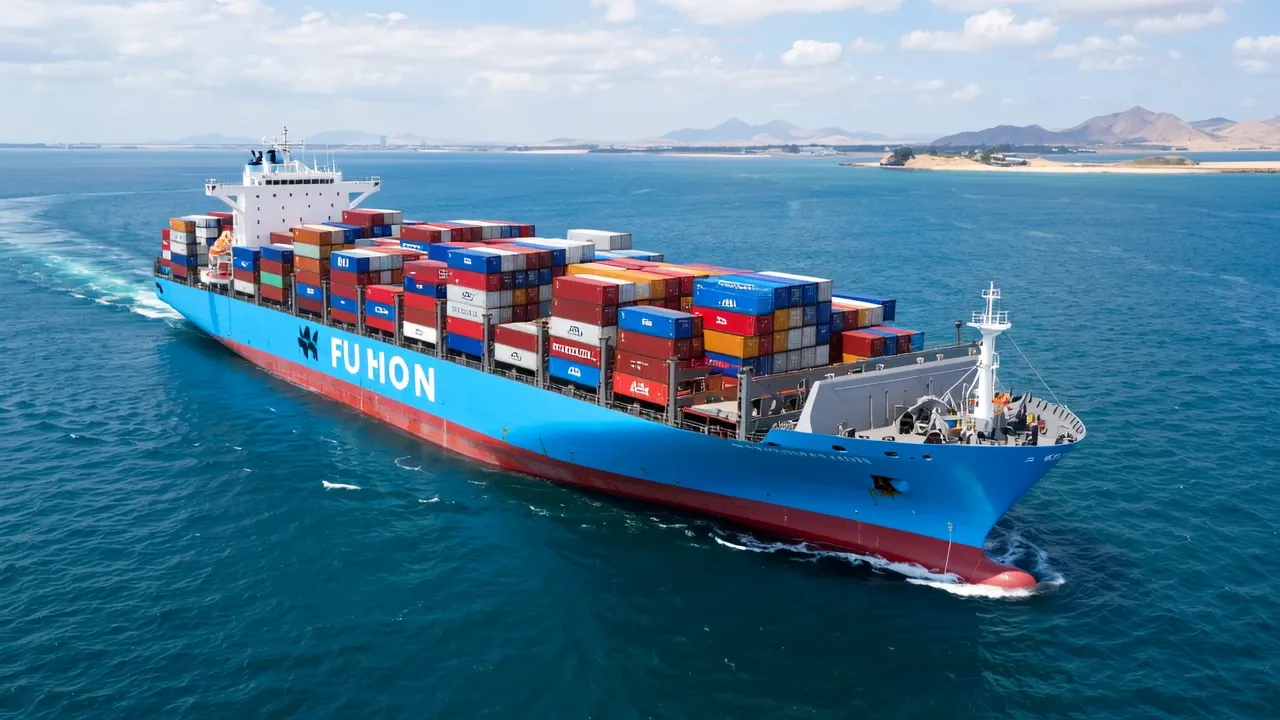
Strategic Shift: New UAE Port Targets Strait of Hormuz Diversion
Reports indicate that DP World is actively planning the development of a new port facility situated on the Gulf of Oman. The strategic objective of this proposed infrastructure is to provide an alternative maritime route, allowing commercial cargo to bypass the Strait of Hormuz. This development speaks directly to the increasing need for resilient and diversified global supply chains, especially given geopolitical volatility in critical chokepoints.
The Strait of Hormuz remains one of the world's most vital maritime passages, handling substantial volumes of energy and trade. However, reliance on single, high-risk transit points exposes global logistics networks to significant operational disruptions. The potential establishment of a Gulf of Oman port represents a significant move toward enhancing supply chain redundancy. This initiative aligns with broader trends in logistics-network-planning as major players seek to mitigate transit risks.
This strategic repositioning requires sophisticated logistical modeling. Implementing such a bypass necessitates detailed Cargo Geospatial Analytics to map out optimal routing, assess transit times, and integrate the new hub into existing global networks. The operational implications extend beyond mere geography; they touch upon vessel scheduling, customs procedures, and the entire downstream flow of goods. For stakeholders involved in international trade, understanding these shifts is crucial for proactive risk management.
This development is being monitored closely by industry analysts, as evidenced by coverage such as the one found at supplychain247.com/article/dp-world-uae-port-bypass-strait-of-hormuz. The successful execution of this project would require massive capital investment and complex integration with regional maritime governance. Furthermore, the viability of this alternative route must be weighed against the existing infrastructure and the established efficiency of the Strait of Hormuz corridor. Industry observers are closely tracking how this potential new gateway will affect established trade lanes and the overall cost structure of international shipping.
To fully capitalize on such a strategic shift, logistics providers must employ advanced planning tools. The ability to rapidly reconfigure Cargo Route Planning Optimization in response to geopolitical or environmental changes is becoming a core competency. This move by DP World underscores a macro-level shift from purely cost-driven logistics to resilience-driven logistics. This mirrors broader governmental and corporate focus on supply chain security, a topic frequently discussed by bodies like the USTR regarding global trade stability. Furthermore, the operational complexity demands robust Port Operations Management capabilities at the new facility to handle the expected volume and complexity of diverted traffic.
Explore More Articles

Operational Implications for Global Freight Flow
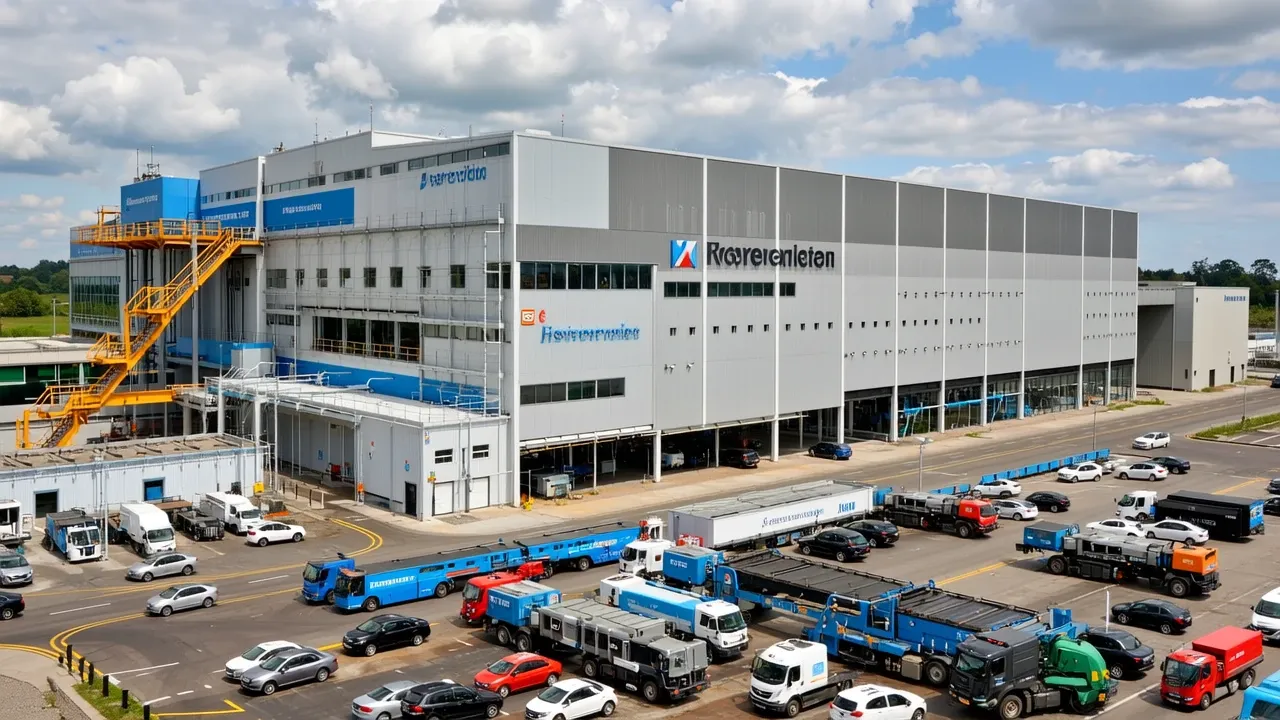
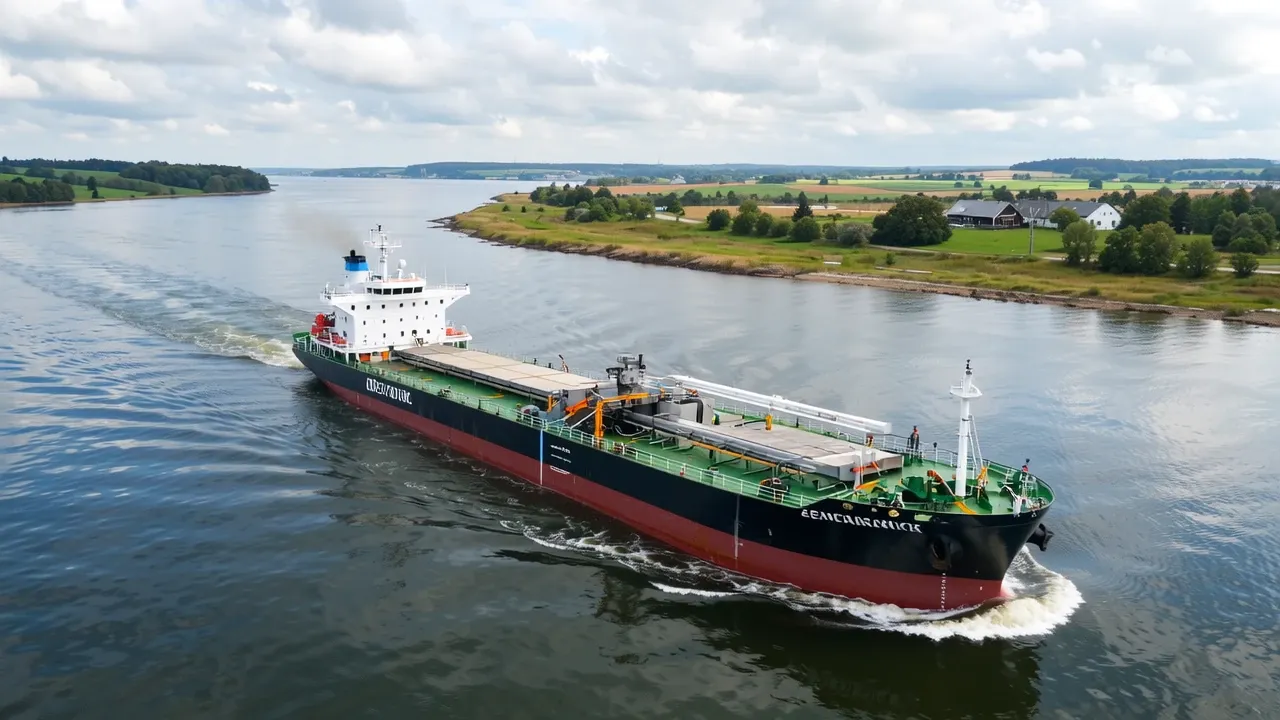
The establishment of a Gulf of Oman port capable of diverting traffic away from the Strait of Hormuz presents several operational considerations for the freight and logistics sector. The primary benefit is risk mitigation, offering shippers a viable alternative when transit through the Strait is deemed too high-risk due to regional instability or security concerns. This diversification capability is a key component of modern Containerized Cargo Optimization.
However, operationalizing this bypass is not automatic. The new port must achieve parity, or better, than the established routes in terms of throughput, vessel handling capacity, and connectivity to inland distribution networks. This requires meticulous planning, utilizing methodologies like Advanced Planning and Scheduling to manage the transition phase. Shippers will need to adjust their entire Cargo Trajectory Planning protocols.
From a risk management perspective, while the new port mitigates geopolitical risk, it introduces new variables related to transit time, fuel consumption, and local regulatory frameworks. Insurers and shippers must reassess their coverage. The implications for Cargo Insurance Coverage will need to be thoroughly reviewed to account for the new maritime pathways. For deeper insights into global trade risk assessment, reports from organizations like the World Bank often provide relevant macroeconomic context.
Furthermore, the success of this new hub depends heavily on its integration with regional infrastructure. Improved connectivity—road, rail, and feeder services—is paramount. This level of integration requires sophisticated coordination, moving beyond simple port calls to encompass end-to-end visibility. The ability to manage these complex transitions efficiently is what separates robust logistics providers from those operating on legacy models. Gartner research frequently highlights the need for such integrated, multi-modal solutions in emerging trade corridors.


Loading comments...