Low-Carbon Void Fill Solutions: Greener Logistics for Modern Supply Chains

Sarah Williams
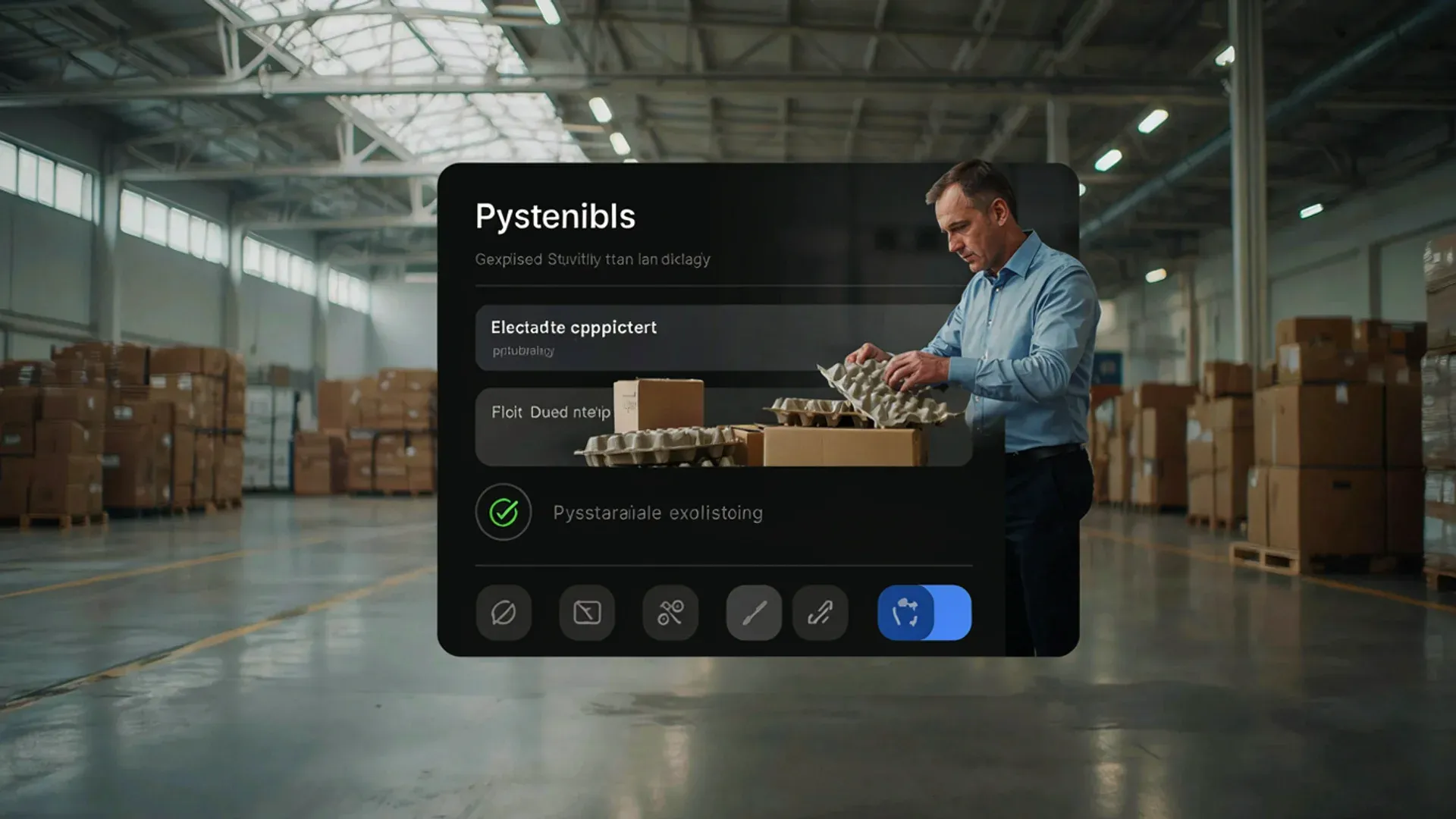
The global supply chain is undergoing a massive shift toward sustainability, driven by stricter environmental regulations and increasing customer demand for eco-friendly operations. Packaging, which constitutes a significant portion of a shipper's carbon footprint, is under intense scrutiny. Traditional void fill materials, often derived from fossil fuels or non-recyclable plastics, are no longer meeting the standards of modern, climate-conscious logistics networks. This article explores the emerging landscape of low-carbon alternatives, which promise to reduce Scope 3 emissions without compromising the essential function of cushioning and stabilizing goods during transit. According to recent industry trend reports, the demand for verifiable green logistics solutions is projected to grow by over 20% annually through the next decade, forcing operations managers to re-evaluate every element of their packaging strategy. #### The Problem with Conventional Fill #### Most established cushioning materials rely on petroleum-based foams or single-use plastics. When disposed of, these items contribute to landfill volume and greenhouse gas emissions, creating a direct conflict with corporate sustainability mandates. Furthermore, the production and transport of these heavy materials add unnecessary energy consumption to the supply chain. Finding a replacement that is both high-performing and carbon-neutral is the primary operational challenge facing fulfillment centers and 3PL providers today. We must move beyond simple recyclability and look toward materials with a net-negative or near-zero production footprint. #### Regulatory Drivers in Logistics #### Governmental bodies across the EU and North America are tightening rules around single-use plastics and waste management. These regulations do not merely suggest better practices; they impose compliance costs, effectively penalizing shippers who remain reliant on outdated packaging methods. This pushes the market toward verifiable, certified low-carbon alternatives. For more context on logistics compliance, review the UNISCO Global Compliance Center.
Sources cited in this section: (https://www.supplychaindive.com/topic/sustainable-packaging/) (https://www.freightwaves.com/articles/green-logistics-mandates/)
Explore More Articles
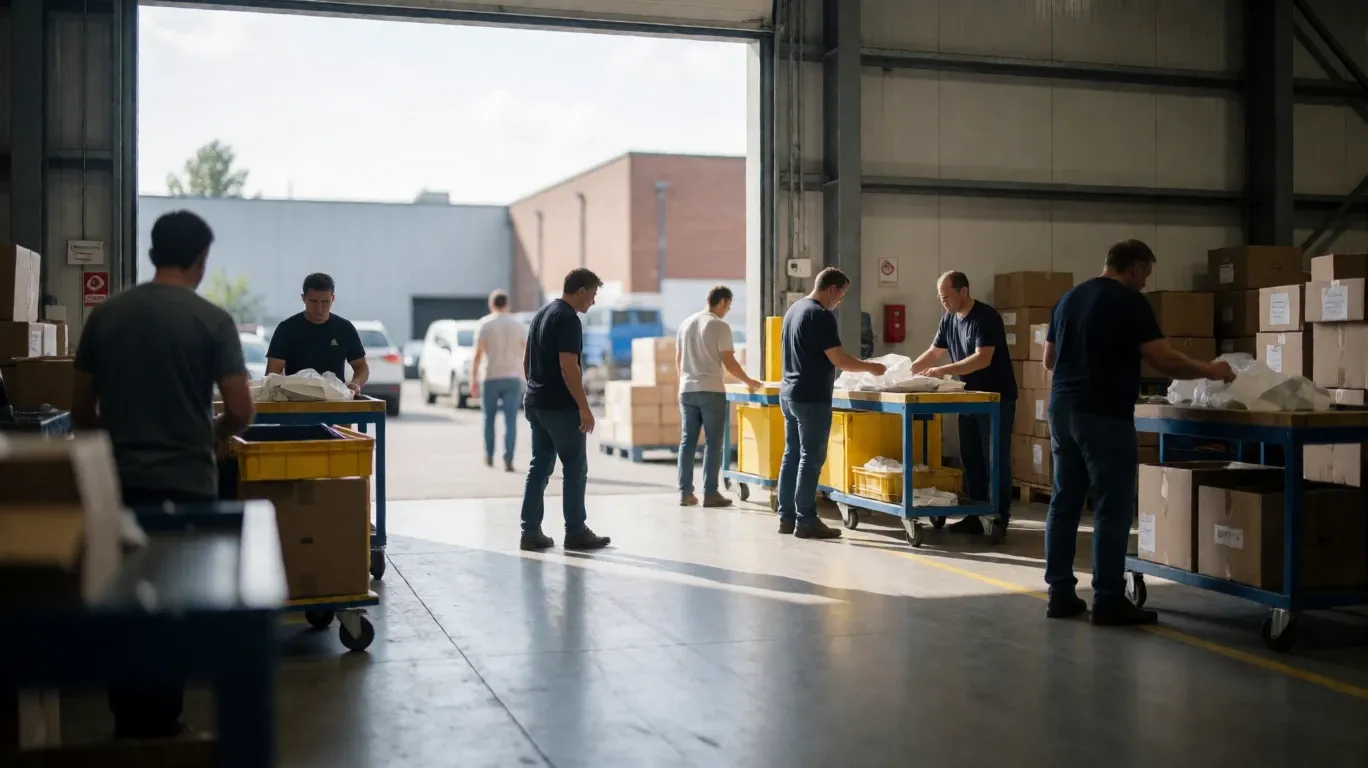
The pivot toward low-carbon void fill is not a single material swap but a systemic change in material science applied to packaging. Solutions are evolving from simply being 'less bad' to being actively regenerative or carbon-sequestering. Key innovation areas include mushroom-based packaging, mycelium-derived cushioning, and highly optimized air-fill systems made from bio-plastics or recycled streams. #### Mycelium and Bio-Foams: The Living Alternatives #### Mycelium, the root structure of mushrooms, is being cultivated into protective packaging. This process utilizes agricultural waste as a substrate, requiring minimal energy input and resulting in a fully compostable, sturdy material. This technology presents a dual win: it diverts waste from landfills while providing superior shock absorption characteristics compared to some petrochemical foams. Similarly, bio-plastics derived from corn starch or sugarcane offer viable alternatives, though their end-of-life cycle (compostability vs. industrial recycling) must be carefully managed based on regional infrastructure. Operators need clear guidance on which bio-plastic certification meets their target market's standards. #### Air-Filled and Optimized Systems #### Another high-impact area is the refinement of air-filling methods. By optimizing the use of biodegradable, plant-derived air pillows or sophisticated right-sizing technologies, shippers drastically reduce material usage and transportation weight. This weight reduction cascades savings across the entire logistics chain, lowering fuel consumption and associated emissions. Smart packaging solutions use computational fluid dynamics (CFD) to determine the precise required void fill volume, eliminating the standard industry practice of over-packing, which is a massive source of wasted material and carbon. #### Operational Takeaway: A Phased Adoption Strategy #### For businesses looking to adopt these solutions, a phased strategy is recommended. Begin by auditing your most high-volume, low-risk SKUs to test compostable mailers and mycelium inserts. As internal data proves the environmental benefits and operational feasibility, expand into complex, high-value shipments requiring higher impact absorption. The next frontier in this sector involves digital tracking of material lifecycle—a 'digital passport' for every package—ensuring claims of low-carbon status are verifiable at every touchpoint, from production to final delivery. This shift demands close collaboration between shippers, packaging engineers, and logistics providers to build a truly resilient and green supply chain.
Loading comments...