Navigating Trade Turbulence: Forecasting Stability Amid Shifting Global Economic Powers

Emily Johnson

The global trade landscape in 2025 is characterized by a powerful tension: the underlying momentum of expanding trade volumes colliding with significant headwinds from geopolitical shifts and uneven economic growth. While organizations like UNCTAD project a record-breaking year for global trade, with flows expected to surge past $35 trillion, this optimism must be tempered by an understanding of the underlying structural stresses. The World Trade Organization (WTO) and the International Monetary Fund (IMF) confirm this complexity, noting that while the global economy has shown resilience to recent trade tensions, a sharper slowdown is evident in forecasts across different economies [1, 2]. Predictability, which was once a given in global commerce, is now a critical, and often elusive, commodity [1].
The Dichotomy of Growth
The resilience observed across trade flows masks significant divergence in economic health. The IMF’s latest outlook highlights that resolving policy uncertainty is key to unlocking global output potential. However, this stability is not uniform. The World Bank points out that while global growth remains steady in aggregate terms, developing economies face substantial headwinds, with projections indicating cuts in growth for many Emerging Market and Developing Economies (EMDEs) [3]. This disparity signals a fundamental rebalancing of economic influence, where established powers must contend with the rise of new, powerful economic blocs. This reconfiguration directly impacts the flow, cost, and predictability of international freight, forcing businesses to adopt new risk management paradigms.
The Weight of Policy Uncertainty
Trade remains highly sensitive to policy signals. UNCTAD's analysis emphasizes that unpredictable policies—be they tariffs, sanctions, or regulatory changes—introduce drag on market confidence [1]. For the logistics sector, this means relying less on established, cost-optimized routes and more on agile, multi-modal strategies capable of absorbing sudden changes. This era favors adaptability over sheer scale. For instance, the ability of some export markets to cushion the impact of US shipments illustrates this decentralized risk management occurring across global supply chains [1]. As operators look to the future, the primary operational concern shifts from merely moving goods to guaranteeing the path and regulatory compliance of those goods across disparate and evolving economic jurisdictions. This necessitates a deeper integration of logistics planning with geopolitical risk modeling.
Explore More Articles
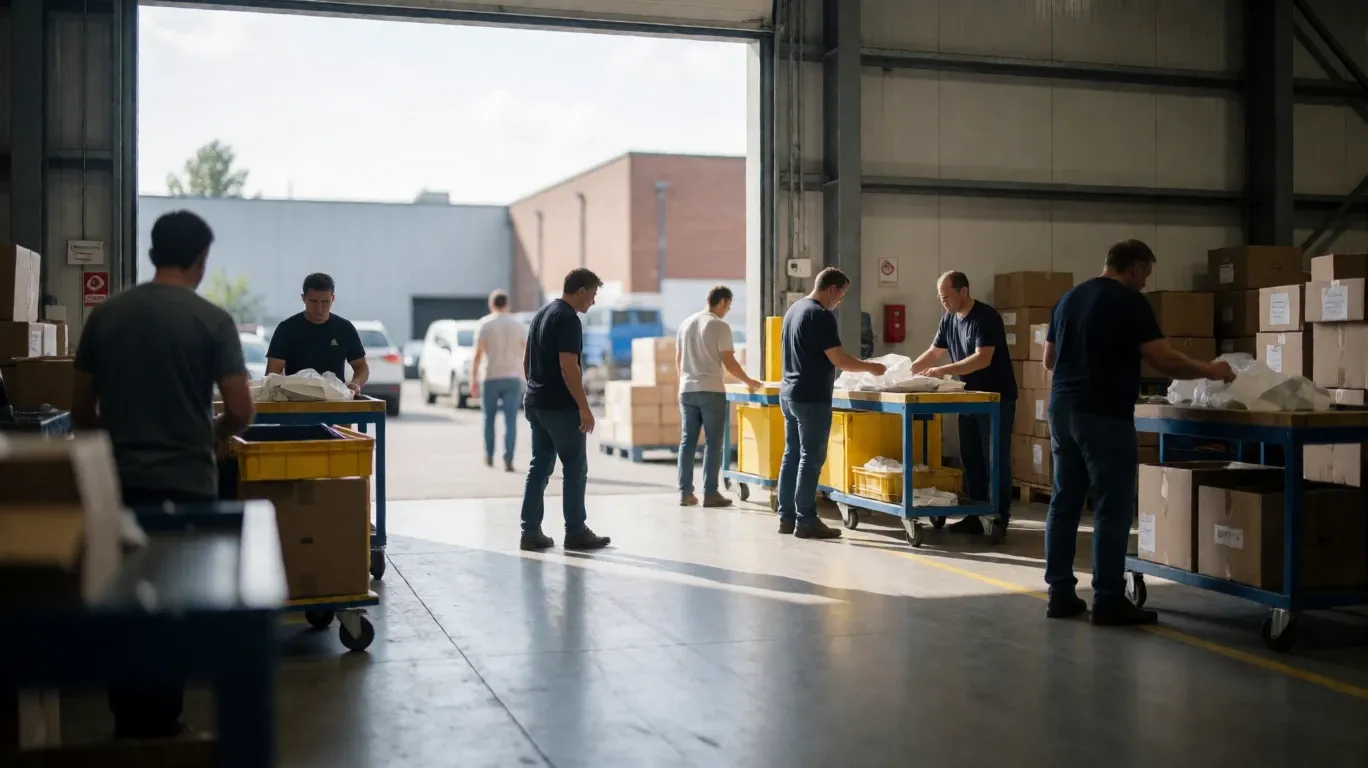
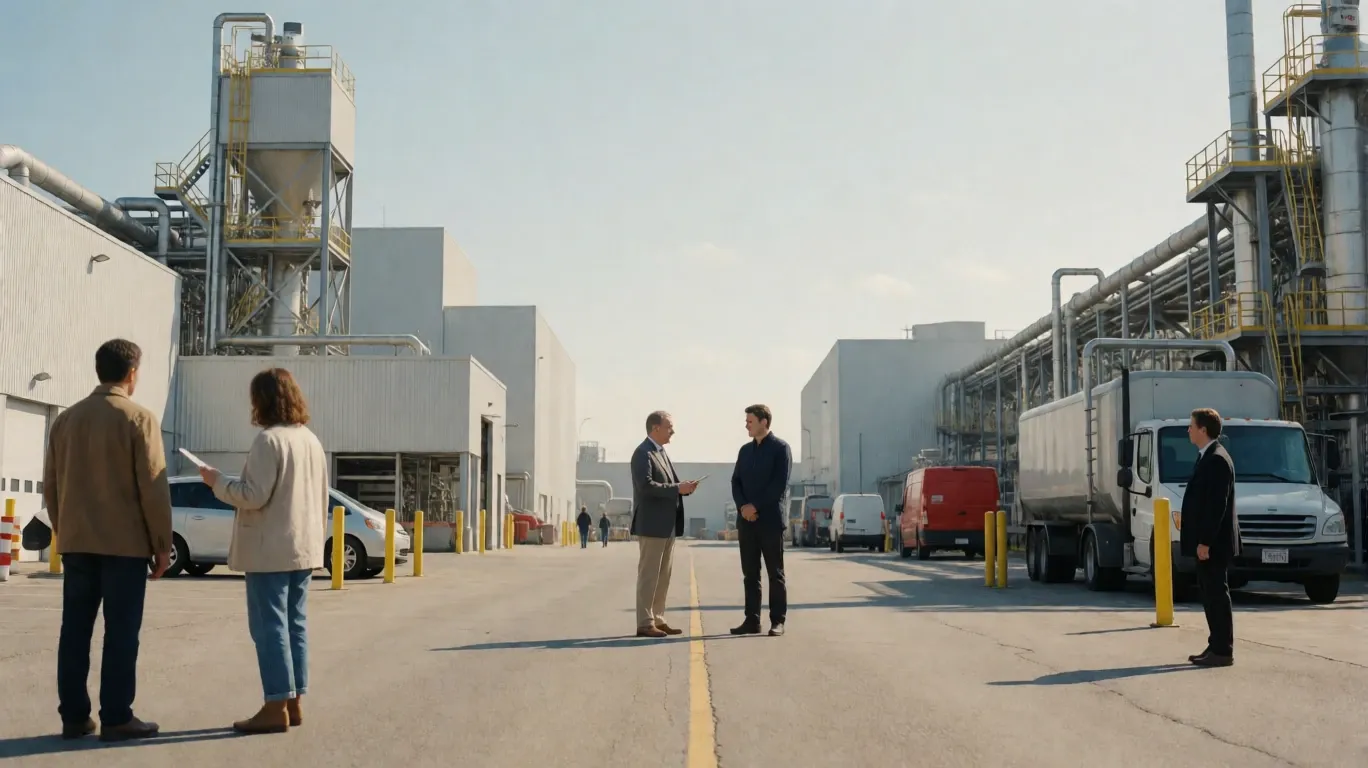
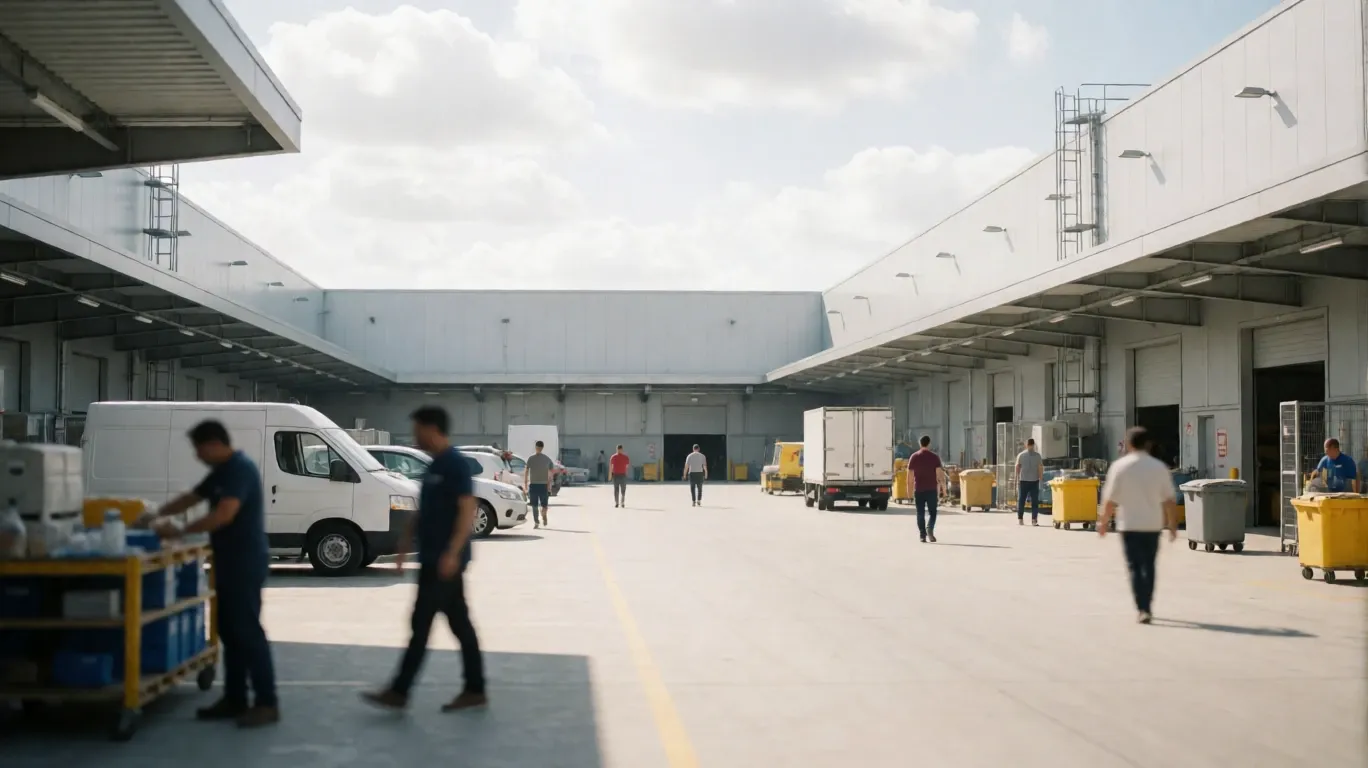
The shift in global economic power is not a sudden fracture but a complex, ongoing adaptation of the system. Globalization, rather than retreating, is proving highly adaptive, adjusting its forms to the new geopolitical and economic realities [4]. This means that the traditional, optimized 'just-in-time' model, which relied heavily on predictable, single-source supply chains, is being challenged by a need for 'just-in-case' redundancy.
Redefining Resilience in Freight Operations
Building true supply chain resilience requires more than just having backup carriers; it requires strategic diversification at the sourcing, production, and transport levels. Operators must now treat economic power shifts as a primary, non-negotiable variable in their transportation planning. For example, a reliance on a single production hub in an emerging market subject to sudden policy shifts introduces an unacceptable level of single-point risk. Forward-thinking logistics providers are moving towards 'regionalization' or 'friend-shoring,' aligning their physical networks with the political alignments of their trading partners.
Technological Levers for Stability
Technological advancement is the most powerful tool available to navigate this volatility. Advanced planning systems, AI-driven risk scoring, and digital visibility platforms allow companies to model 'what-if' scenarios across multiple geopolitical risk vectors simultaneously. CTO Tom Yu's work in logistics software development highlights the criticality of building scalable, intelligent platforms that manage complexity—a necessity when traditional logistics maps are becoming obsolete [5]. By integrating real-time data streams covering customs bottlenecks, regional political advisories, and commodity price fluctuations, companies can proactively reroute, adjust lead times, and adjust inventory buffers before a disruption materializes. This move from reactive problem-solving to proactive scenario planning is the defining operational trait of the next decade.
The Operational Takeaway
The forward-looking takeaway for logistics managers is clear: stability in trade flow is no longer a guaranteed constant; it is an actively managed outcome. Companies that succeed will be those that treat their supply chain not as a linear cost center, but as a complex, living political and economic ecosystem, capable of rapid, intelligent adaptation to the changing mandates of global economic powers [4].

Loading comments...