River Level Drops Threaten North Europe Inland Waterway Operations

Sarah Williams
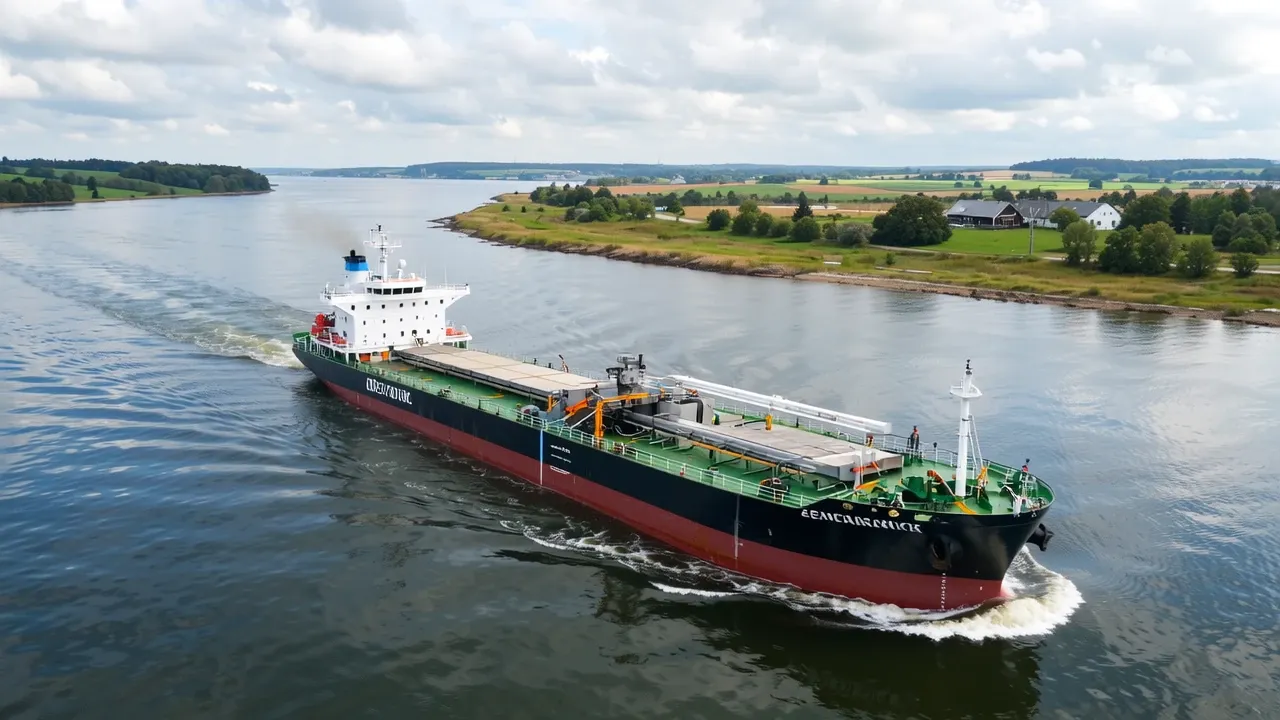
Navigational Risks Mount as River Levels Decline
North Europe's vital inland transport sector faces significant operational challenges as water levels in major waterways, such as the Rhine, continue to fall. These declining levels are pushing navigation capabilities to critical thresholds, raising concerns that the sector could face severe disruptions if conditions worsen. The implications extend beyond simple delays; they necessitate a rapid reassessment of existing freight movement strategies across the region. According to reports detailing the situation, the risk of navigation becoming 'all but impossible' presents a major operational hurdle for shippers and carriers alike The Loadstar | Inland waterway congestion grows as river levels fall and barge costs rise.
When inland waterway transport, a cornerstone of efficient European freight movement, is constrained, the resulting pressure is immediately transferred to alternative modes. This forces increased reliance on already strained road and rail networks. This shift exacerbates existing capacity constraints, leading to increased congestion across the entire multimodal transport system. The operational impact is twofold: reduced throughput capacity on water, and increased strain and associated costs on land-based alternatives. This situation highlights a critical vulnerability within the broader supply chain network congestion management.
The economic ramifications are substantial. As waterway capacity diminishes, the demand for trucking and rail services surges. This increased demand, coupled with the inherent limitations of these modes, drives up operational expenses. Fluctuations in transport costs become a primary concern for businesses relying on predictable supply chains. Furthermore, the need to reroute or slow down shipments introduces variability, which is detrimental to just-in-time manufacturing and retail operations.
Addressing this requires a comprehensive approach to freight network congestion mitigation. Stakeholders must look beyond immediate operational fixes to implement long-term resilience measures. This includes optimizing the utilization of existing infrastructure and potentially accelerating the adoption of advanced freight network congestion management platforms. The interplay between environmental factors (like hydrology) and infrastructure capacity defines the current operational risk profile for European logistics.
To better understand the broader context of infrastructure strain, analysts often refer to reports on national transportation capacity, such as those published by the U.S. Department of Transportation DOT. Similarly, global economic outlooks provide context on the underlying demand driving this transport pressure BLS. Effective logistics network congestion mitigation strategies must account for these external pressures.
Explore More Articles
Shifting Modal Reliance and Operational Strain
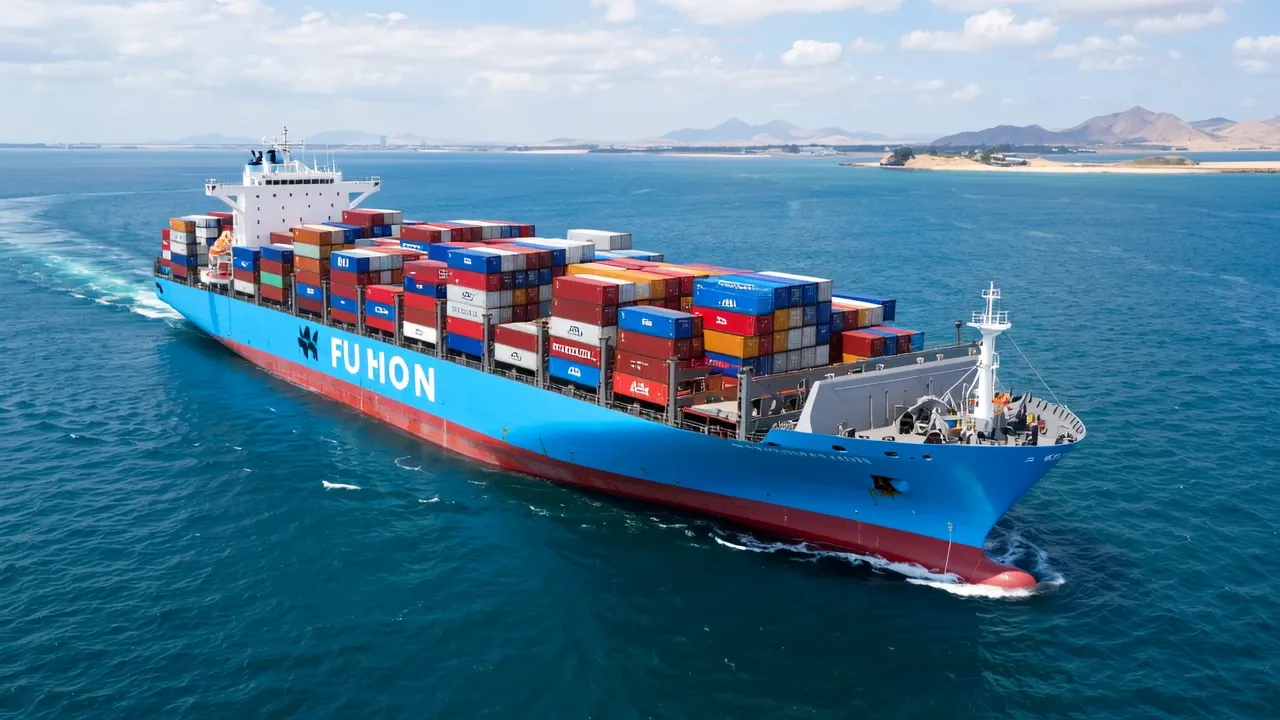
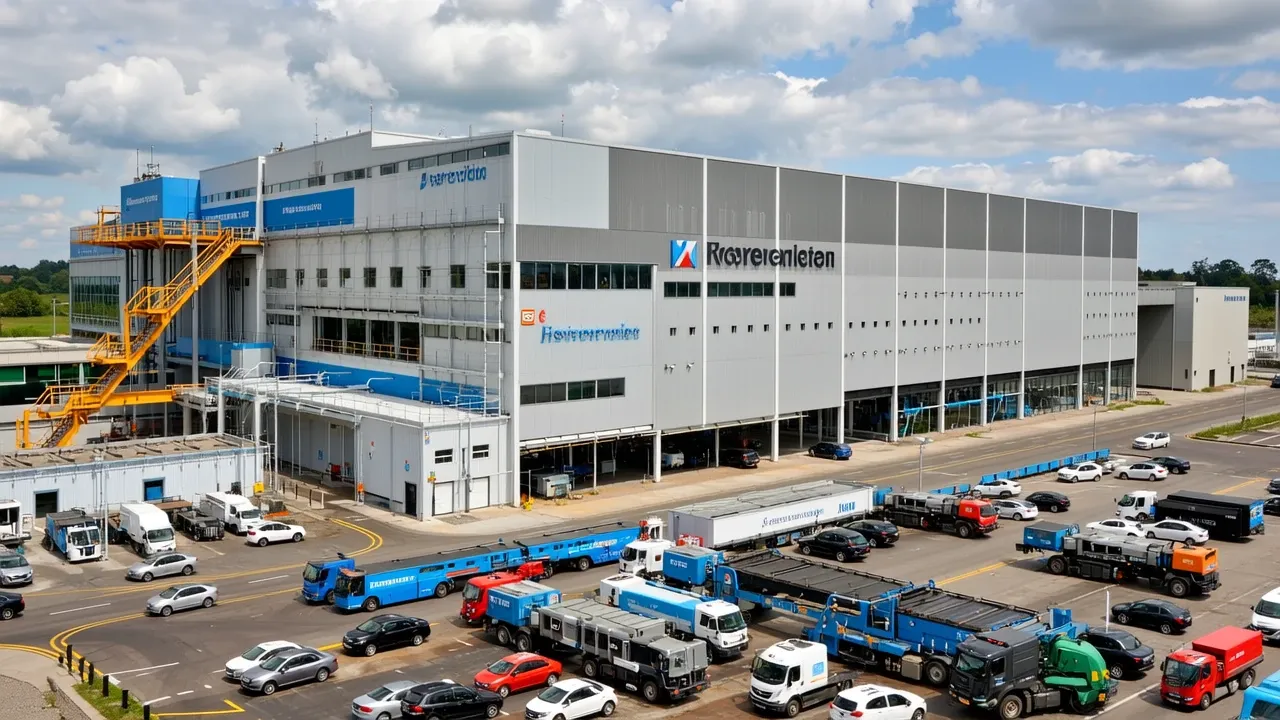
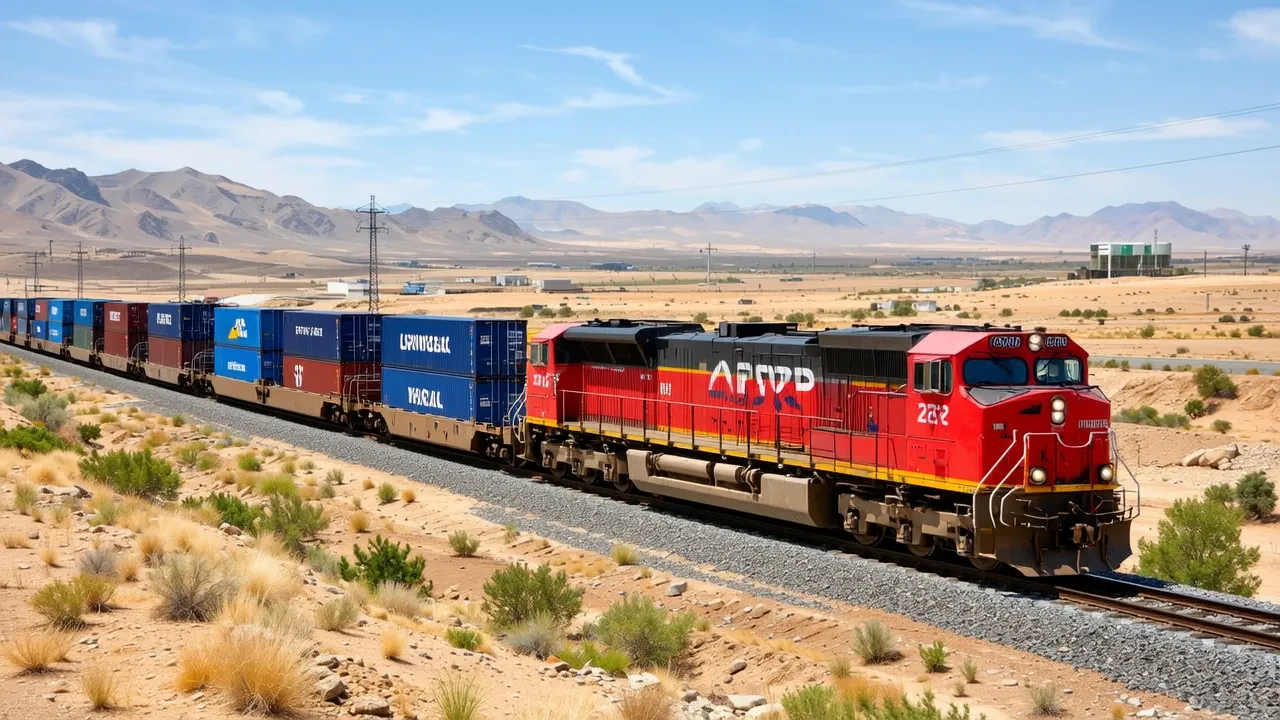
The decline in inland waterway viability compels a significant modal shift toward road and rail. While these modes are robust, they operate within finite capacity envelopes. Increased volume on road transport networks leads to higher traffic density, slower transit times, and increased fuel consumption. Concurrently, the increased load placed on rail transport systems requires optimized scheduling and resource allocation to prevent bottlenecks at key interchange point facilities.
This forced reliance on land transport also impacts the economics of the movement. The cost structure for road and rail is different from that of barges, and the increased utilization rates often translate directly into higher per-unit shipping rates. This dynamic creates a challenging environment for businesses attempting to maintain stable landed costs. Effective land transport services management becomes paramount during periods of high modal stress.
Mitigating this systemic risk requires proactive planning. A focus on freight network congestion reduction necessitates better visibility across the entire journey, from origin to final destination. This is where advanced data analytics and integrated systems prove invaluable. For instance, understanding the capacity constraints of specific rail corridors or major highway segments allows operators to implement dynamic rerouting, a key component of any robust freight network congestion mitigation strategy.
Furthermore, the long-term sustainability of these supply chains requires investment in infrastructure resilience. Government bodies and industry consortia must collaborate to ensure that alternative modes can absorb shocks without collapsing under sustained overload. Research from organizations like Gartner often points to the necessity of digital transformation to enhance the responsiveness of these complex systems Gartner. The ability to manage this transition smoothly is the core challenge facing modern inland transport.



Loading comments...