Nearly One-Third of Global Container Shipments Now Travel Empty

Sarah Williams
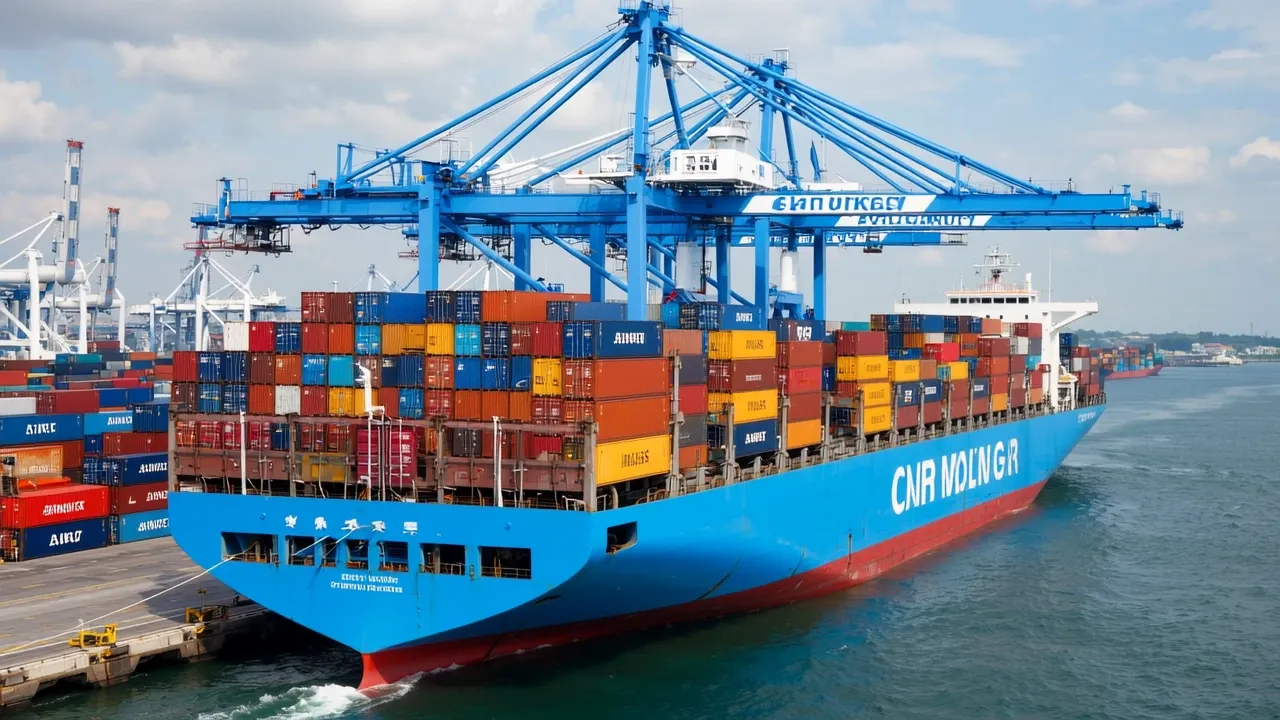
The Growing Trend of Empty Container Movements
A recent analysis indicates a significant shift in the operational profile of global container shipping. According to a study by Sea-Intelligence, nearly one-third of all global container shipping activity now involves the movement of empty containers. This metric provides a critical lens through which to examine the current state of global supply chain dynamics, reflecting imbalances in trade flows, inventory management strategies, and regional economic activity.
This trend is not merely a logistical footnote; it signals underlying structural pressures within international trade. The movement of empty containers represents the repositioning of assets—the physical containers themselves—between consumption points and production hubs. When the ratio of empty to loaded containers rises substantially, it often points toward a mismatch between where goods are being produced and where they are being consumed, or it can reflect changes in consumer demand patterns following periods of rapid growth. Understanding this ratio is fundamental to effective shipping container management and optimizing overall network efficiency.
The implications for carriers, shippers, and logistics providers are substantial. Empty repositioning consumes vessel capacity, fuel, and labor without generating immediate revenue from cargo. This places increased pressure on operational costs and necessitates sophisticated planning to mitigate the financial drag associated with empty legs. For stakeholders engaged in sea freight operations, this data point demands a reassessment of long-term capacity planning and route optimization strategies.
Market observers are closely monitoring this phenomenon. While the source data Sea-Intelligence study provides a snapshot, broader economic indicators help contextualize this shift. For instance, fluctuations in manufacturing output, as tracked by economic bodies, correlate directly with the demand for imported goods. Furthermore, the complexity of modern trade requires robust global trade compliance intelligence to manage the movement of these assets efficiently across jurisdictions.
Addressing this imbalance requires more than just reacting to empty repositioning; it requires proactive management of the entire supply chain lifecycle. Companies are increasingly leveraging advanced data analytics to predict where empty units will be needed next, moving away from reactive deployment models. This proactive approach is vital for maintaining cost competitiveness in the highly volatile environment of global logistics. The integration of real-time data, including shipping container tracking, is becoming a prerequisite for managing this asset flow effectively, moving beyond simple point-to-point transport to holistic network orchestration.
Explore More Articles

Operational Challenges and Strategic Responses
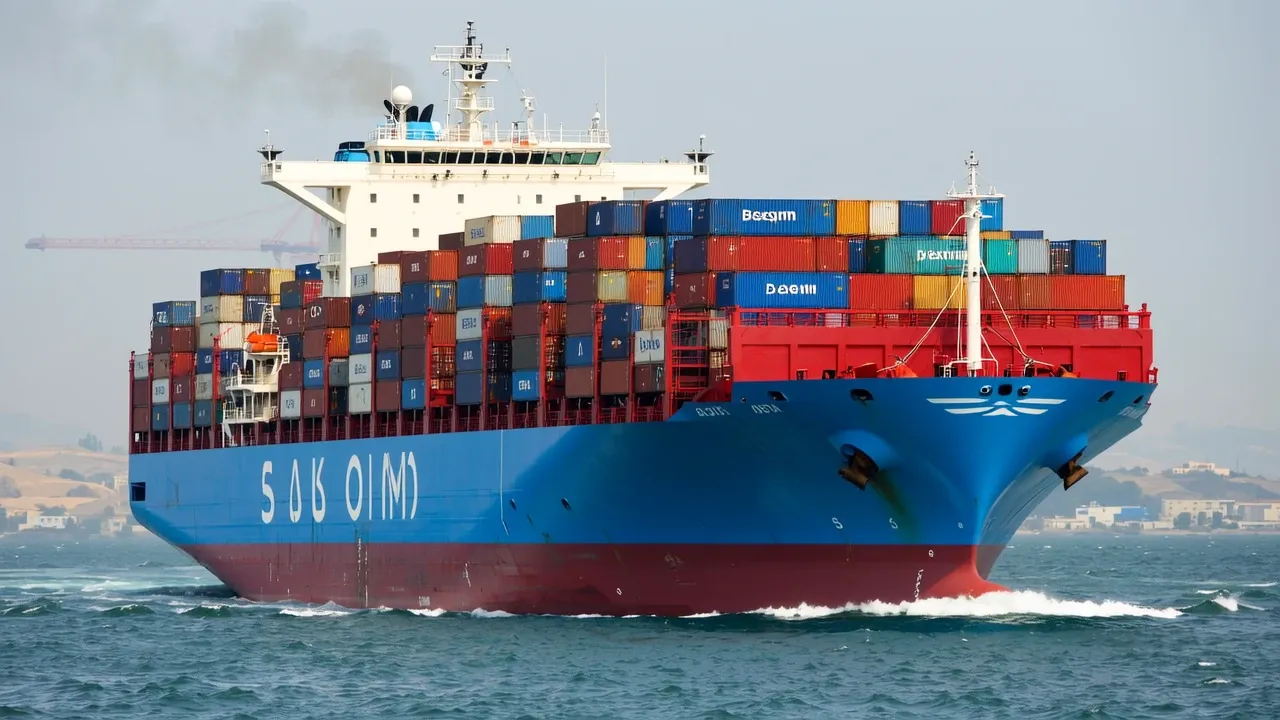
The prevalence of empty container movements introduces several operational friction points that logistics providers must navigate. One primary challenge is the associated cost structure. Each empty voyage incurs fixed costs—fuel, crew, port fees—without the corresponding revenue from cargo. This directly impacts the profitability of specific trade lanes and forces carriers to manage asset utilization rates meticulously. This challenge is compounded by the global nature of the trade, where imbalances can develop rapidly between continents.
From a strategic standpoint, the industry is exploring ways to turn this liability into an opportunity. Advanced modeling, often incorporating principles of activity-based costing, allows operators to better understand the true cost drivers associated with repositioning versus loaded service. Furthermore, the integration of predictive analytics helps in mitigating the risk of prolonged empty runs. If a region shows signs of slowing demand, proactive measures, such as temporary storage or alternative routing, become necessary.
Regulatory environments also play a role. The global movement of goods is subject to numerous international regulations, and managing the documentation and compliance for both loaded and empty movements requires stringent adherence to protocols. The focus on optimizing the flow of these assets is intrinsically linked to achieving high levels of global trade compliance solutions.
To enhance efficiency, the industry is looking toward technological integration. While the physical movement remains complex, the digital management layer is becoming increasingly sophisticated. Improved visibility allows for better coordination between landside operations (drayage, rail) and ocean carriage. This holistic view is crucial when managing the entire lifecycle of a container, from its point of discharge to its next loading point. The ability to accurately predict future demand helps stabilize the market, reducing the volatility that empty repositioning often exacerbates. Industry reports from bodies like the USTR often highlight the need for transparent operational practices to maintain market health, which indirectly supports efficient asset utilization.

Loading comments...