UPS Invests $50M to Bolster North American Air Freight in Mexico

Sarah Williams
Strategic Expansion in North American Logistics
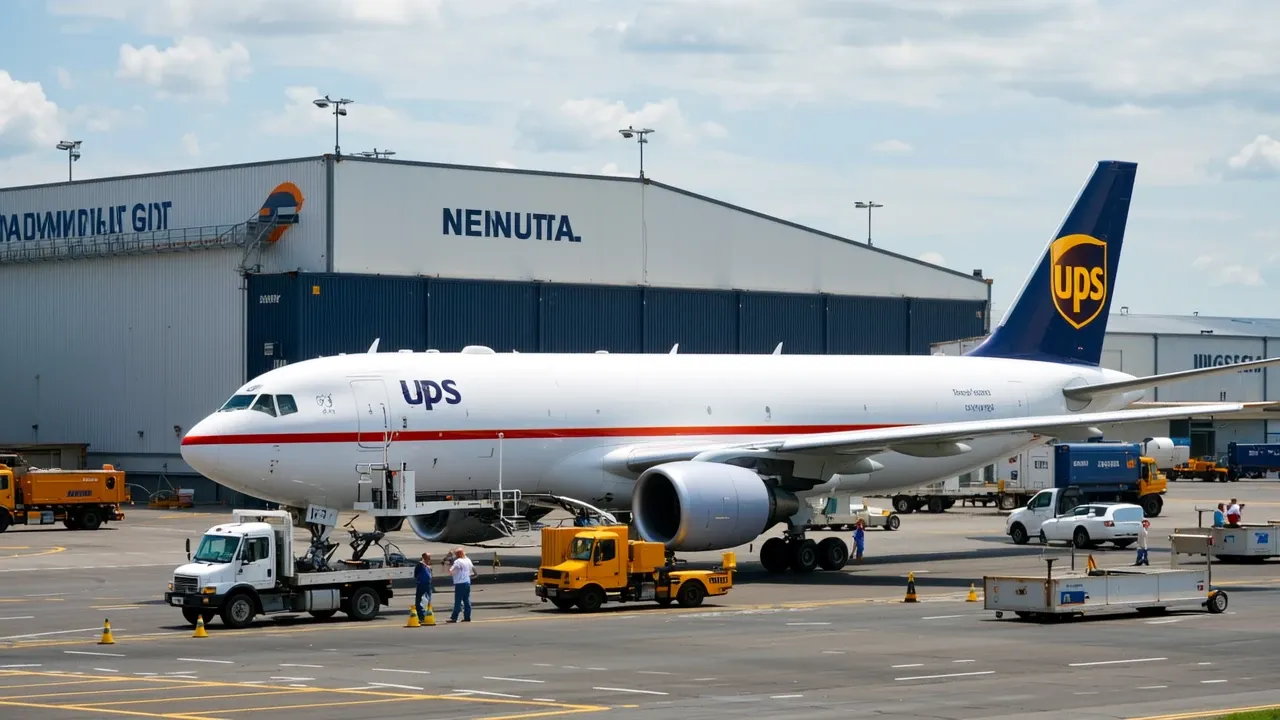
UPS has announced a significant capital investment of $50 million aimed at expanding its air freight capabilities within Mexico. This strategic move is designed to enhance the speed and reliability of moving essential goods across the North American supply chain. The expansion specifically targets manufacturers who rely on rapid transit for their production and distribution cycles. This development underscores the increasing operational complexity and demand for expedited movement of goods between the United States and Mexico, a critical corridor for modern manufacturing UPS Announcement.
The focus on bolstering air freight infrastructure addresses persistent challenges in cross-border logistics, where delays can directly impact production schedules and inventory management. For manufacturers, the ability to move a Critical Shipment quickly is not merely a convenience but a necessity for maintaining Just-In-Time (JIT) inventory models. This investment signals a commitment by major Air Freight Carrier to deepen its operational footprint in a high-growth trade region. The operational benefits extend beyond simple speed; they involve optimizing the entire flow of goods, which is a core function of effective Air Freight Logistics.
The growing integration of North American supply chains, driven by nearshoring trends, places immense pressure on transportation networks. As global trade patterns continue to shift, the demand for robust, high-speed solutions like enhanced Air Freight Services becomes paramount. Industry analysis suggests that the need for streamlined Cross Border Freight Management solutions is accelerating, as companies seek to mitigate risks associated with border congestion and customs processing. This capital injection by UPS represents a tangible response to these market dynamics. Furthermore, the reliability of these services is closely tied to adherence to international standards set by bodies such as the IATA (International Air Transport Association) (though not directly cited in the source, IATA standards govern this sector).
Logistics providers must constantly adapt to evolving regulatory environments and customer expectations. The ability to offer predictable transit times, especially for high-value or time-sensitive cargo, is a key differentiator in the competitive landscape of Logistics Service Providers. This expansion suggests a refinement in the network topology, allowing for more efficient routing and reduced lead times for manufacturers operating across the US-Mexico border. Understanding the nuances of this network requires deep expertise in Shipment Route Engineering Service to maximize the utility of the new capacity.
Explore More Articles

Operational Implications for Supply Chain Resilience
The expansion into Mexico air freight capacity is a direct response to the increasing need for supply chain resilience. When disruptions occur—whether due to geopolitical events, natural disasters, or labor shortages—the ability to rapidly reroute or accelerate vital components is crucial. This investment allows the carrier to build in greater Freight Network Redundancy into its North American operations. For shippers, this translates into a lower risk profile for their inventory pipelines.
Effective management of these expedited movements requires sophisticated oversight. While the physical infrastructure is being upgraded, the underlying operational intelligence—the ability to track, manage, and optimize the movement of every unit—remains critical. Companies utilizing these services benefit from enhanced visibility, which is a core component of modern Air Freight Management. This level of visibility allows shippers to proactively manage expectations and react to unforeseen delays before they escalate into major production halts.
From a broader economic perspective, the efficiency gains realized through faster, more reliable cross-border movement can contribute to increased manufacturing output and reduced operational costs for businesses. Studies on global trade flows, such as those published by the U.S. Department of Commerce, consistently highlight the correlation between efficient logistics infrastructure and national economic competitiveness U.S. Department of Commerce Trade Data. The ability to move goods quickly across borders reduces the working capital tied up in transit inventory. Furthermore, the complexity of managing these international movements necessitates robust documentation and compliance, areas where specialized knowledge of Air Waybill procedures is essential.
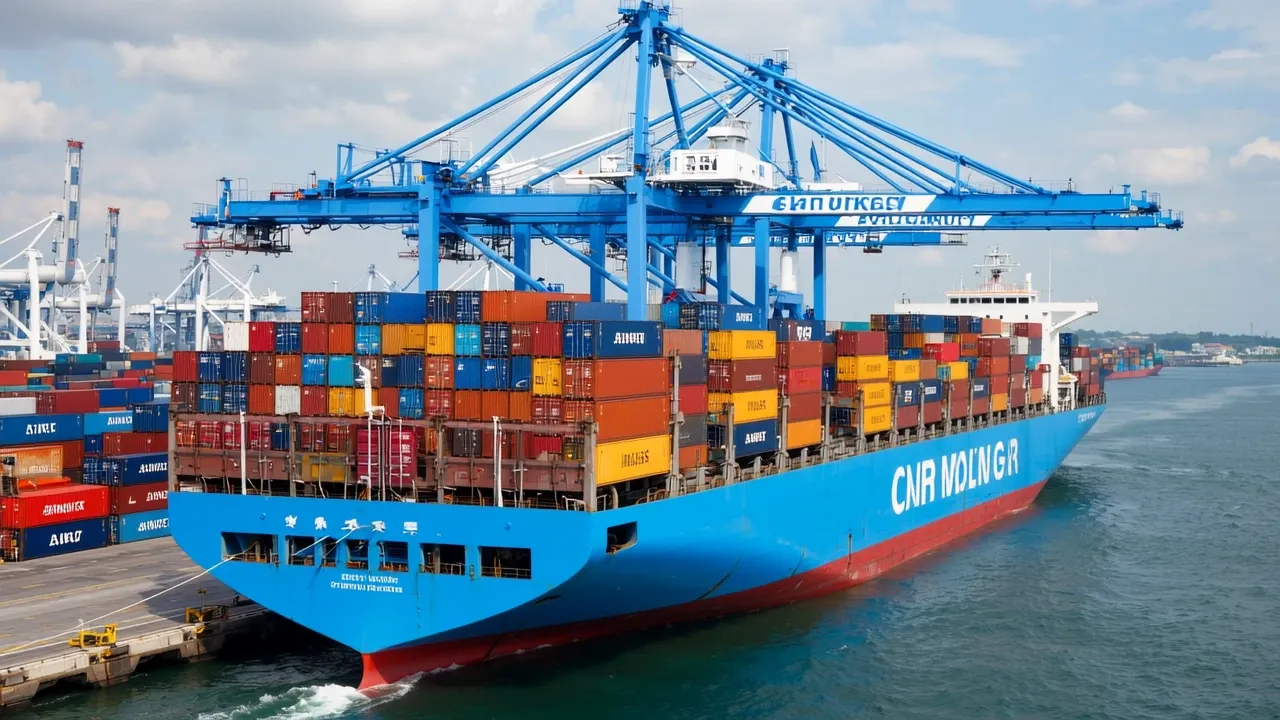
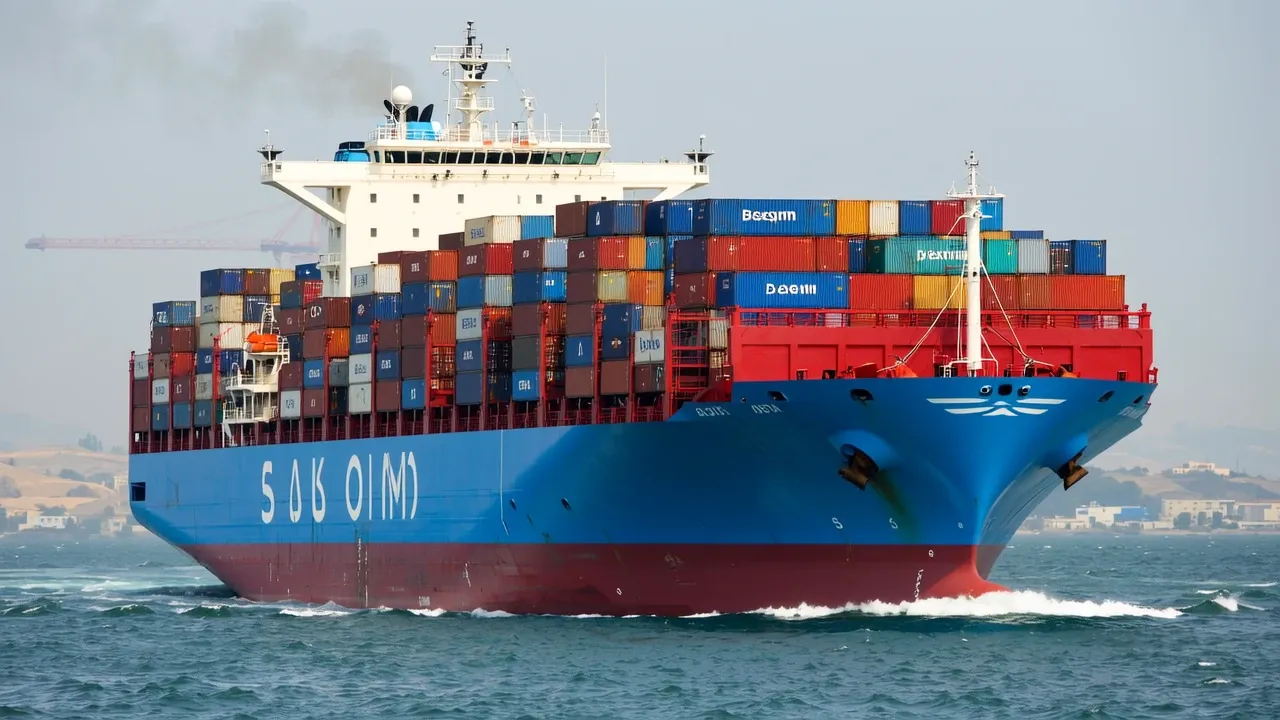
This strategic focus on air freight highlights a segment of the market where speed premium is accepted in exchange for certainty. While slower, cost-effective modes like FCL Ocean Freight remain vital for bulk, non-urgent goods, the demand for guaranteed, rapid transit for high-value or time-sensitive components continues to grow, driving investment in specialized air capabilities. This trend mirrors broader industry shifts toward more agile, multi-modal solutions.




Loading comments...