Navigational Risk in Hormuz: Compliance and Maritime Security Concerns

Sarah Williams
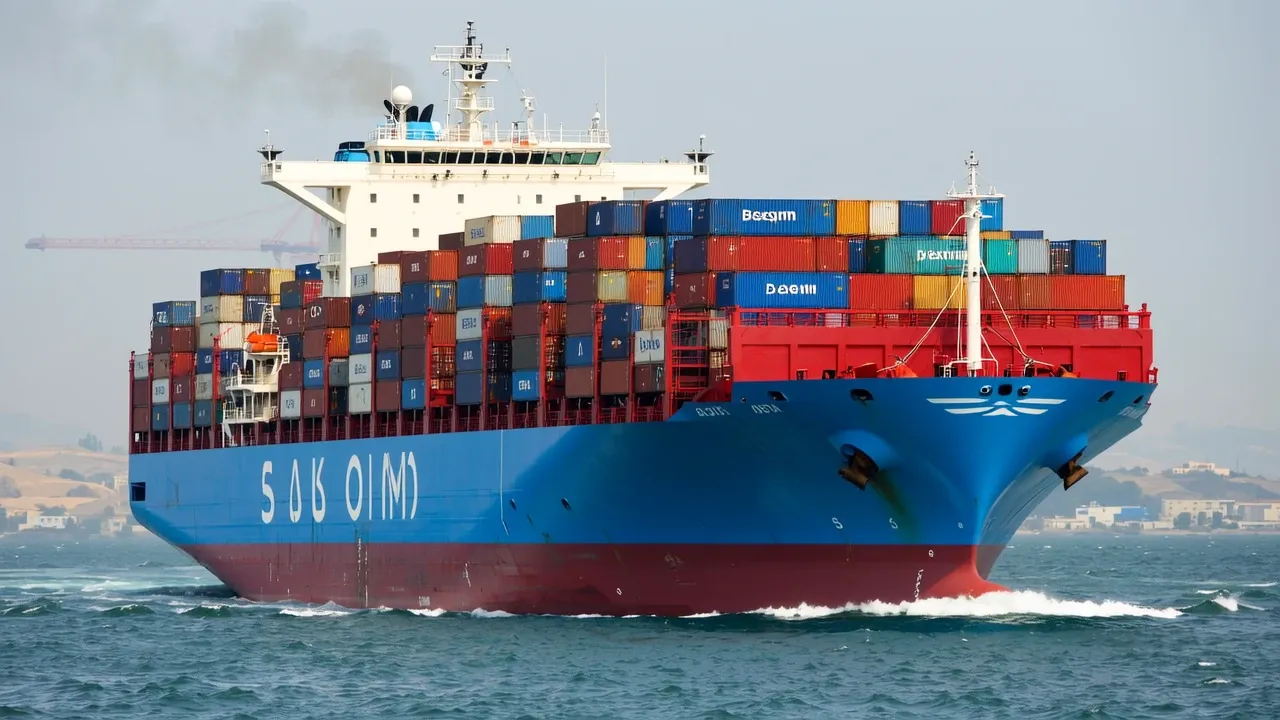
Heightened Scrutiny in the Strait of Hormuz
The Strait of Hormuz remains a critical chokepoint for global maritime trade, connecting the Persian Gulf to the Arabian Sea. Recent advisories from U.S. authorities underscore a significant escalation in the operational risk profile for commercial vessels transiting this vital waterway. Reports indicate that vessels failing to adhere to specific U.S. military instructions in the vicinity of the Strait may face classification as hostile entities. This development introduces a substantial layer of geopolitical risk directly impacting the predictability and security of global supply chains.
The operational environment in the Strait is characterized by high traffic density and complex geopolitical dynamics. For logistics providers and shippers, this translates into heightened requirements for compliance, route planning, and risk mitigation strategies. The warning issued by U.S. officials, detailed in the GCaptain report, signals a shift toward stricter enforcement protocols regarding maritime conduct in the region.
From an operational standpoint, compliance is not merely a matter of adherence to international maritime law; it is now intrinsically linked to national security considerations as perceived by major naval powers. Failure to comply could trigger escalatory responses, moving the risk profile from commercial inconvenience to direct threat assessment. This necessitates that maritime operators maintain rigorous situational awareness and possess clear, pre-approved protocols for responding to military directives.
The implications extend across the entire logistics ecosystem. Insurance underwriters, charterers, and shippers must factor this elevated threat level into their risk assessments. Furthermore, the reliability of transit times through this chokepoint is now subject to the compliance status of individual vessels. This environment demands proactive engagement with security consultants and adherence to the latest advisories from governmental bodies, such as those issued by the U.S. Department of State regarding regional stability U.S. Department of State Travel Advisories.
Understanding the nuances of maritime security in contested zones is paramount for maintaining operational continuity. The increased risk profile in Hormuz serves as a case study in how geopolitical tensions translate directly into tangible operational constraints for the global freight industry. Companies must integrate security compliance into their core operational frameworks, moving beyond standard safety protocols to address sovereign military directives. This requires robust communication channels between vessel operators, charterers, and security advisors to ensure immediate and correct interpretation of evolving military mandates.
Explore More Articles

Operational Implications for Global Logistics
The warning regarding non-compliance in the Strait of Hormuz underscores the intersection of commercial shipping and international military policy. For the freight and logistics sector, this mandates a review of risk management frameworks. When a critical transit point is subject to such high-stakes directives, the planning horizon for any shipment passing through that area becomes inherently volatile. Logistics planners must now account for potential delays, rerouting requirements, and the increased cost associated with enhanced security measures.
This situation highlights the need for specialized knowledge in maritime security and international regulatory compliance. Navigating these waters requires more than just efficient routing; it demands a deep understanding of the prevailing geopolitical climate and the specific mandates issued by naval forces. The complexity is amplified by the sheer volume of trade passing through this narrow passage, which is a lifeline for energy and manufactured goods globally. For more context on global trade flows, data from the International Trade Administration provides insight into the commodities dependent on such routes.
Furthermore, the operational response to such warnings requires integration across the supply chain. A carrier must communicate the risk assessment to the shipper, who must then adjust inventory planning and contractual obligations. This level of integration is crucial when the risk factor is as severe as being treated as a hostile target. Industry analysis often points to the need for advanced risk modeling to quantify these geopolitical exposures Gartner Supply Chain Risk Management.
The regulatory landscape surrounding maritime transit is constantly evolving. While the source article focuses on military directives, underlying commercial regulations, such as those enforced by the Federal Maritime Commission FMC, dictate the operational standards that vessels must meet regardless of geopolitical tension. The convergence of military warnings and commercial regulatory oversight creates a layered compliance challenge. Effective logistics operations in such environments depend on the ability to rapidly interpret and implement changes in operational mandates while maintaining adherence to established commercial law.




Loading comments...