Navigating Heightened Risk: US Warnings Regarding Strait of Hormuz Operations

Sarah Williams
Operational Risks in Critical Chokepoints
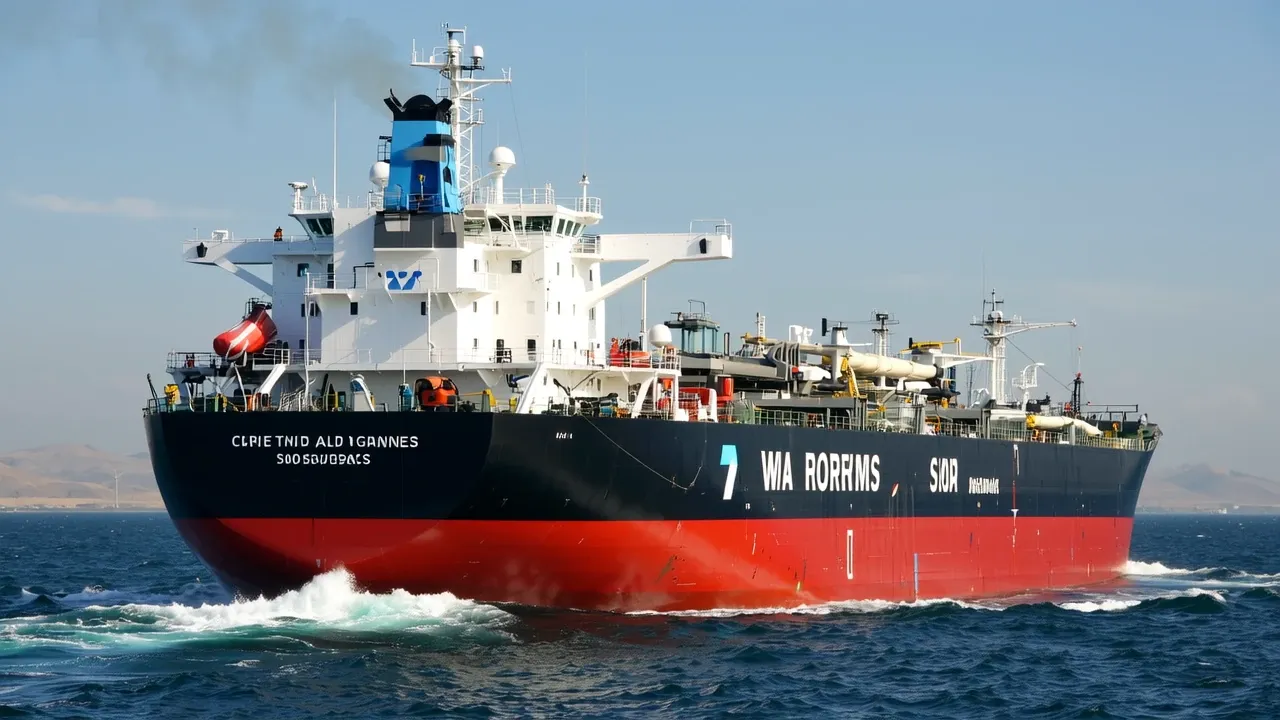
The Strait of Hormuz remains a pivotal artery for global maritime trade, connecting major energy producers to international markets. Recent advisories from U.S. authorities have significantly elevated the operational risk profile for commercial vessels transiting this highly contested waterway. Reports indicate that commercial vessels failing to comply with specific U.S. military instructions in or around the Strait of Hormuz face the potential classification as hostile targets. This escalation underscores the volatile geopolitical environment surrounding one of the world's most critical maritime chokepoints. The implications for global supply chains are substantial, demanding heightened vigilance from all logistics operators.
This situation moves beyond standard maritime security concerns; it introduces a direct operational risk tied to compliance with military directives. For freight and logistics providers, this translates into complex decision-making regarding routing, insurance coverage, and contingency planning. The threat of misidentification or non-compliance leading to hostile treatment necessitates a thorough review of established Standard Operating Procedures (SOPs) for high-risk transit zones. Understanding the nuances of these military directives is paramount for maintaining continuity of service.
The Strait of Hormuz handles an immense volume of global commerce, particularly energy shipments. Any disruption, whether due to geopolitical tension or operational incidents, cascades rapidly through the global economy. Industry analysts are closely monitoring the adherence to these warnings, recognizing that the stability of this passage directly impacts commodity pricing and global trade flow. For a detailed overview of the current advisory landscape, please refer to the original reporting on U.S. Warnings in Hormuz.
Logistics firms must integrate geopolitical risk assessment into their core operational planning. This involves not only physical route planning but also understanding the regulatory and security posture of the transit area. The potential for escalation requires a proactive stance on risk mitigation, ensuring that contractual obligations can be met despite heightened security threats. Furthermore, the broader context of international maritime law and security protocols is under intense scrutiny by governing bodies, such as those overseen by the Federal Maritime Commission FMC.
The operational environment is characterized by a delicate balance between the necessity of trade flow and the imperative of international security. Companies involved in moving goods through this region must possess robust crisis management frameworks capable of responding to sudden shifts in military posture or navigational requirements. This level of operational complexity requires specialized expertise in global trade compliance and risk management, moving beyond simple transit scheduling to encompass strategic security planning.
Explore More Articles

Implications for Global Supply Chain Resilience
When critical maritime passages face such elevated security warnings, the immediate impact is felt across the entire logistics chain. Shippers and carriers must rapidly assess whether the risk premium associated with transiting the Strait of Hormuz outweighs the cost and time associated with alternative routing. Alternative routes, while potentially safer from a direct military confrontation standpoint, introduce new variables, including increased transit times, higher fuel consumption, and different port congestion risks. This decision matrix is complex, especially when balancing cost efficiency against security imperatives.
For the freight industry, this situation highlights the critical need for supply chain resilience. Resilience is not merely about having backup carriers; it involves pre-vetted, multi-modal contingency plans that account for geopolitical instability. Organizations must map out not only the physical flow of goods but also the regulatory and security checkpoints along the entire journey. The U.S. Department of Transportation DOT continually issues guidance on international trade risks, reinforcing the need for proactive compliance.
Furthermore, the financial implications are significant. Increased insurance premiums for vessels operating in high-risk zones, coupled with potential delays, directly impact landed costs for end-users. This dynamic is closely monitored by economic bodies. For instance, analyses of global trade flows often reference data from organizations like the U.S. International Trade Commission USITC when modeling the impact of chokepoint disruptions. The ability of a logistics provider to absorb or mitigate these cost shocks is a key differentiator in the market.
Effective risk management in this context requires deep integration between security intelligence and operational execution. It moves the function from reactive problem-solving to predictive risk modeling. Companies must invest in real-time intelligence feeds that can flag changes in military posture or regional tensions before they translate into physical operational hazards. This proactive stance is essential for maintaining service level agreements (SLAs) in an unpredictable global landscape. The increasing complexity of global trade necessitates advanced capabilities in supply chain visibility and robust adherence to international trade compliance standards.




Loading comments...