Falling River Levels Threaten Strained European Barge Operations

Sarah Williams
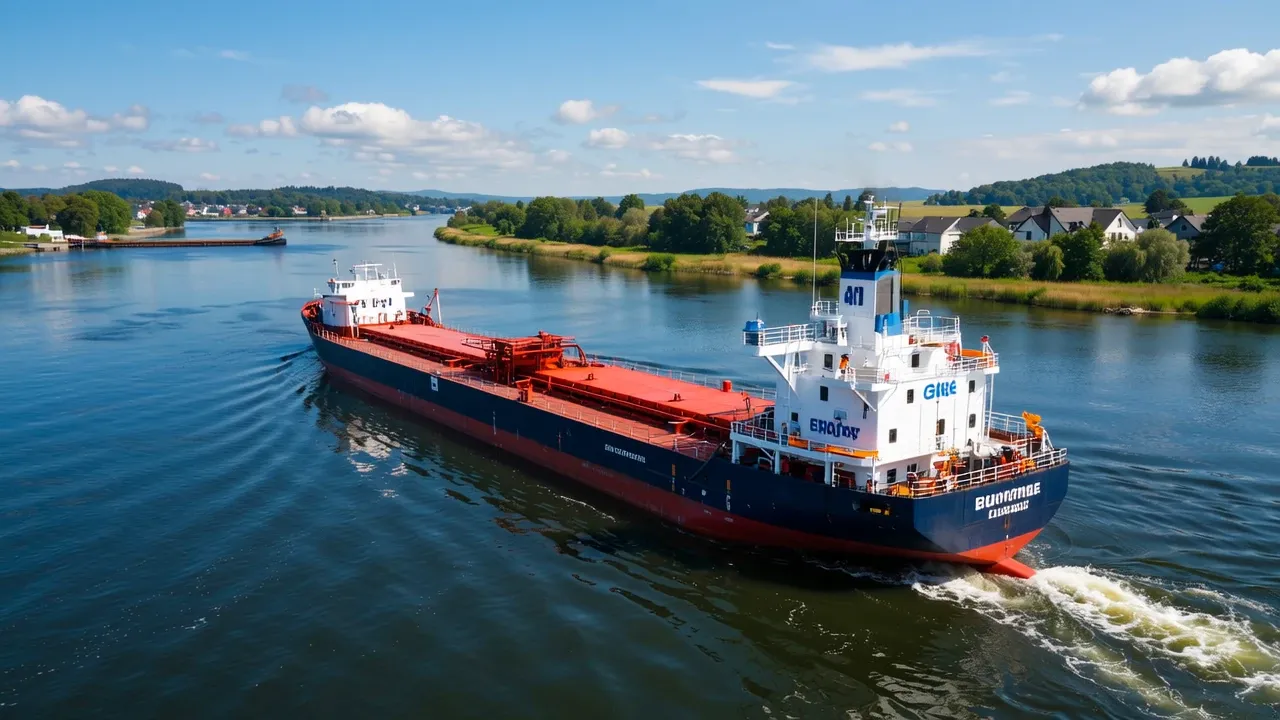
Operational Challenges in European Inland Waterways
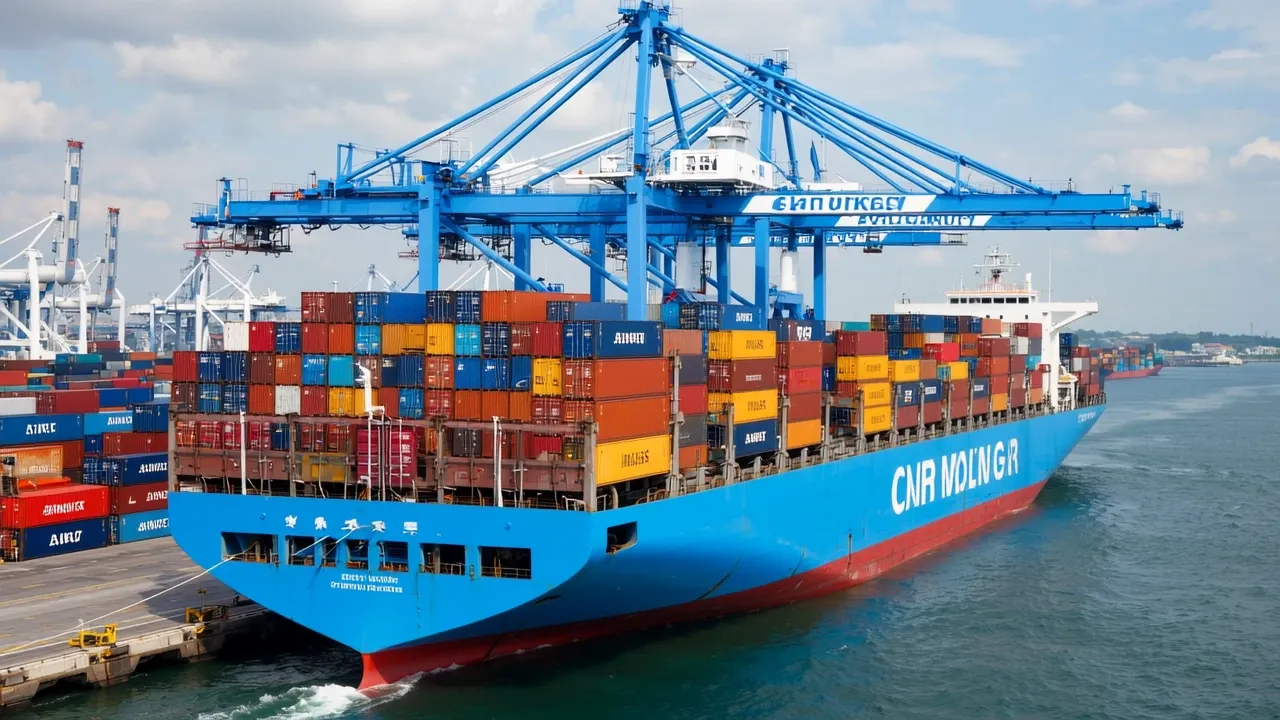
European inland waterways, critical arteries for bulk and containerized freight movement, are facing compounding operational pressures. These systems are already operating near capacity due to the increasing volume of ultra-large container vessels (ULCVs) calling at major ports. This surge in throughput, while indicative of global trade activity, places significant strain on the entire logistics network, necessitating robust supply chain risk mitigation services.
Compounding this existing strain is the impact of climatic shifts. Increasing temperatures across the region are directly correlating with decreasing river levels, particularly on vital waterways such as the Rhine. This reduction in water depth directly impedes the operational efficiency of barges, which rely on sufficient draft to maintain scheduled transit times. The situation highlights a critical vulnerability within established modes of intermodal freight services.
The confluence of high vessel traffic and low water levels is leading to extended delays for shippers relying on barge transport. These delays cascade throughout the supply chain, impacting downstream scheduling and potentially affecting adherence to service level agreement commitments. Analysis of the current situation can be found in reports detailing the impact of these environmental factors on European logistics here.
The operational challenge is multifaceted. While the influx of ULCVs drives demand, the environmental constraints limit the capacity of the inland transport segment. This forces a re-evaluation of how shippers manage their freight flows, potentially increasing reliance on alternative modes like road freight services or requiring advanced cargo trip optimization services to navigate bottlenecks. Furthermore, the variability in water levels introduces uncertainty into planning, demanding enhanced visibility through tools like container tracking systems to manage expectations and mitigate potential disruptions.
Industry observers note that the resilience of these waterways is being tested by climate variability, a trend mirrored in broader global logistics assessments regarding infrastructure stress. For more context on global trade trends, reports from organizations like the World Trade Organization provide macro-level data on shipping volumes, while domestic transport data from the Department of Transportation offers insight into land-based capacity constraints DOT Data. The need for proactive planning and adaptive logistics strategies is becoming paramount for maintaining the flow of goods.
Explore More Articles

Navigating Capacity Constraints and Future Resilience
When primary transport corridors face environmental limitations, the entire logistics ecosystem must adapt. The reduced capacity on inland waterways necessitates a strategic shift in how freight is managed. Companies must look beyond simple capacity metrics and focus on holistic network resilience. This involves optimizing the interface between maritime and inland transport, a key component of modern land transport services.
The challenges presented by low water levels underscore the need for advanced predictive modeling. Understanding the correlation between meteorological data and operational throughput allows logistics providers to implement proactive measures, such as shifting cargo loads or adjusting delivery windows, thereby minimizing the impact on the end customer. This moves the focus from reactive problem-solving to proactive risk management.
Furthermore, the pressure on existing infrastructure prompts a deeper look into alternative modes and modes of transport integration. While barges are efficient for high-volume, long-haul movements, when their capacity is compromised, the load must be redistributed efficiently across other available channels. This requires sophisticated coordination, often involving specialized freight consolidation services to maximize the utilization of available space on alternative carriers.
To support this transition, investment in digital infrastructure and real-time data analytics is crucial. These technologies enable a granular view of where delays are occurring—whether at the port interface, during river transit, or at the final mile. This level of detail is essential for maintaining the integrity of the supply chain congestion alleviation services that modern global trade demands. For insights into broader infrastructure resilience, reports from the U.S. Department of Commerce can provide comparative data on transport sector vulnerabilities USTR Report. The operational complexity demands a high level of expertise in managing diverse transport modes, which is a core function of advanced logistics management.


Loading comments...