Maersk Commits $100M to Expand Northeast Fulfillment Capabilities

Sarah Williams
Strategic Expansion in Northeast Logistics
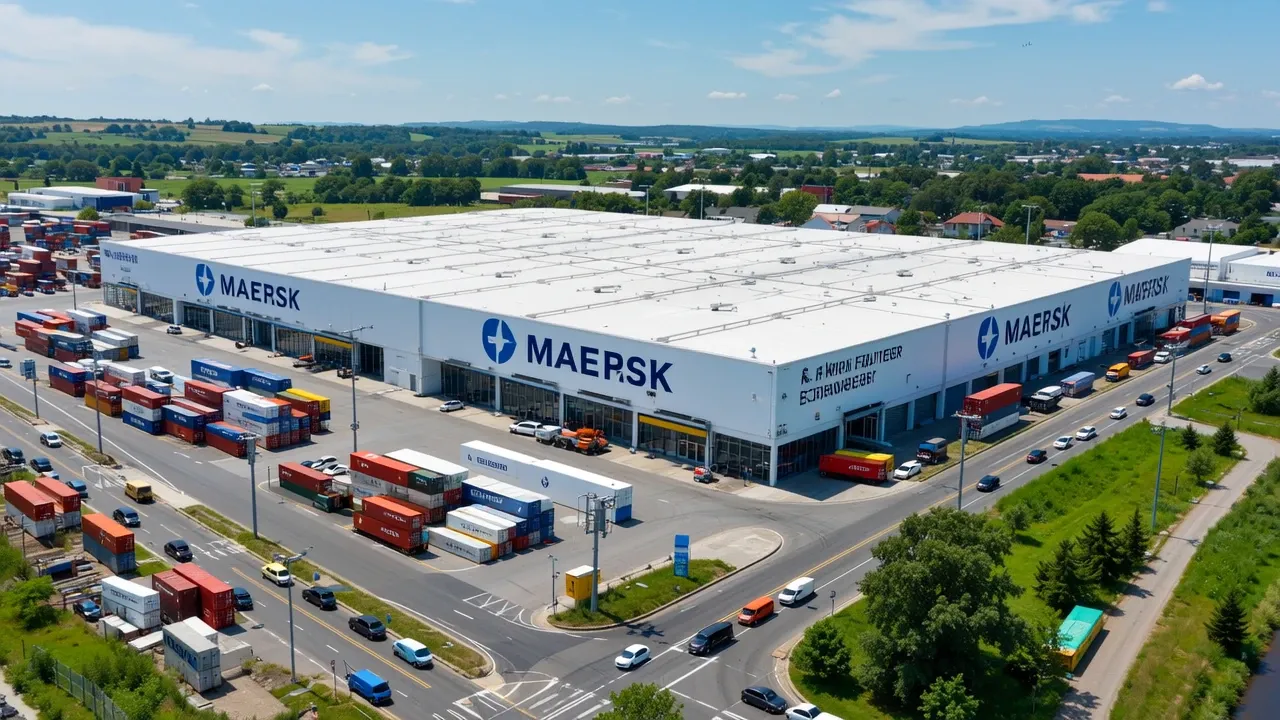
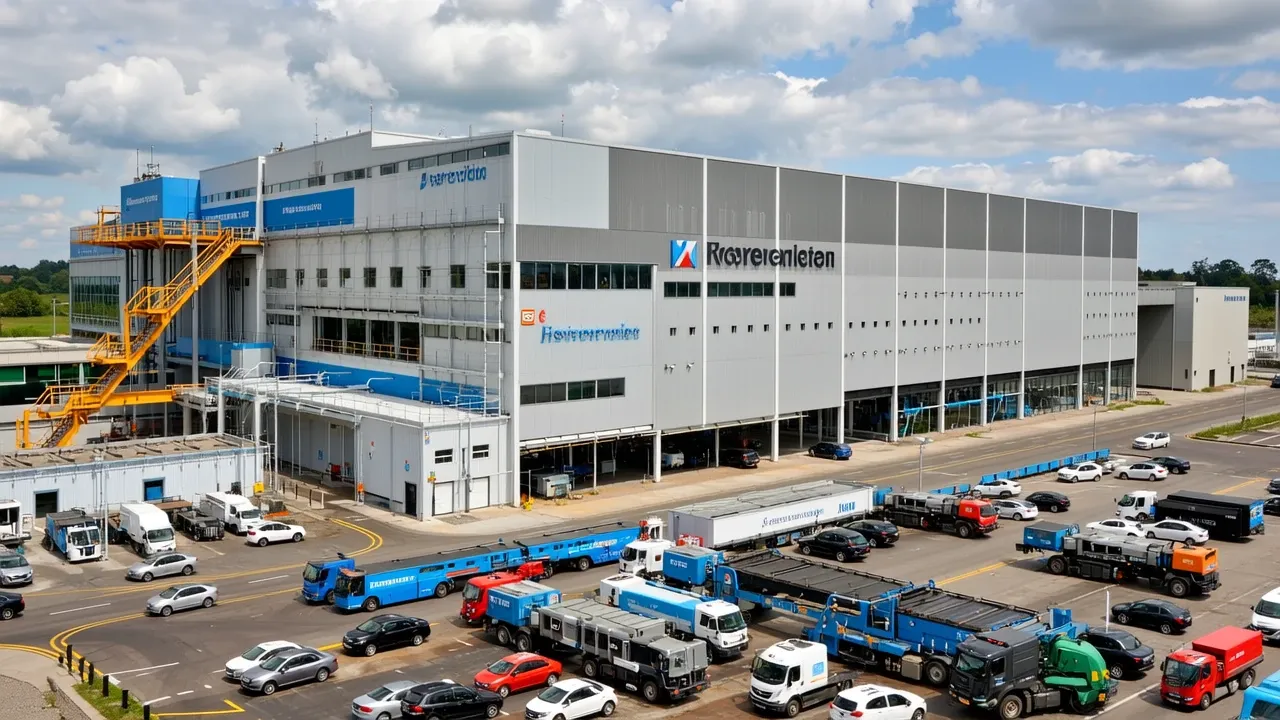
Maersk has announced a significant capital investment of $100 million to establish a major new fulfillment center located in Hopedale, Massachusetts. This development signals a substantial commitment by the global carrier to enhance its operational footprint and strengthen its presence within the critical Northeast United States market. The new facility is projected to generate approximately 1,000 jobs, contributing directly to regional employment growth while simultaneously bolstering the company's capacity for complex supply chain management.
This investment is part of a broader strategy to optimize the flow of goods across the region, addressing the increasing demands placed on modern supply chains. The establishment of this large-scale Fulfillment Center is not merely an expansion of physical space; it represents a strategic enhancement of the entire Logistics Network. In today's volatile global trade environment, the ability to maintain high levels of operational throughput and responsiveness is paramount for maintaining competitive advantage. As noted in the original reporting Maersk Invests $100 Million in Massachusetts Fulfillment Hub, this hub will serve as a key node in their expanded Northeast logistics network.
The operational implications of this investment are multifaceted. A state-of-the-art facility requires sophisticated Fulfillment Center Operations to manage inventory, coordinate last-mile delivery, and integrate seamlessly with upstream and downstream partners. This level of integration is crucial for achieving true Global Logistics Network Optimization. Furthermore, the successful deployment of such a large asset requires meticulous Logistics Network Planning to ensure that the new capacity integrates without creating bottlenecks elsewhere in the existing infrastructure. Industry analysis suggests that investments of this magnitude are often driven by the need to improve Logistics Network Resilience against unforeseen disruptions, a necessity highlighted by recent global trade fluctuations (see USTR reports on trade flow volatility).
The creation of 1,000 jobs also speaks to the localized economic impact. Labor demand in advanced Distribution Center Logistics environments requires specialized skills, prompting a potential shift in local workforce requirements. This aligns with broader trends in industrial automation and labor market shifts, which the Bureau of Labor Statistics tracks closely. The efficiency gains realized through this new hub will directly influence the overall [Logistics] performance metrics for Maersk's clients, allowing for more predictable service levels, which is a core component of modern supply chain risk management. The design and implementation of such a hub must account for regional infrastructure capacity, including road and rail access, which is a critical consideration in Logistics Network Modeling.
Explore More Articles

Operational Implications and Network Enhancement
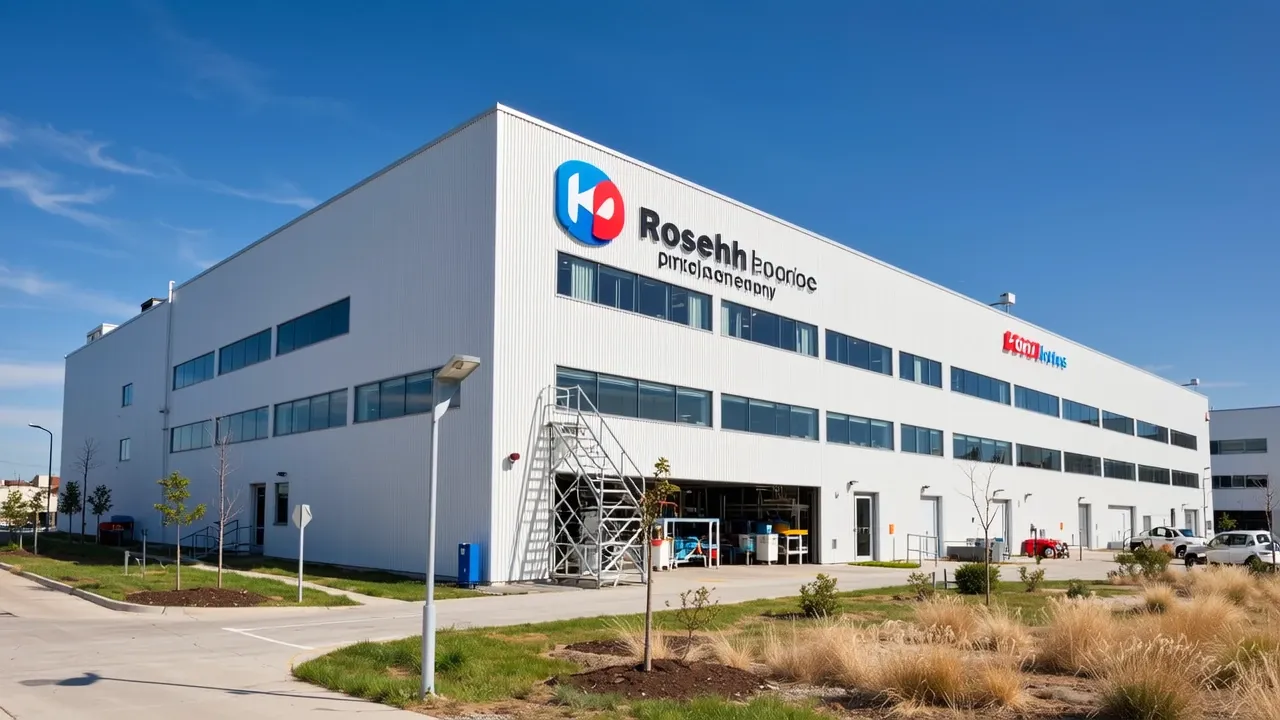
The decision to build a $100 million facility in Hopedale, MA, underscores a strategic pivot toward increasing regional handling capacity. For large-scale shippers, the proximity of this new asset to major Northeast markets translates directly into reduced transit times and lower landed costs, provided the facility's internal processes are highly optimized. The focus for such a major build-out must be on maximizing throughput while maintaining stringent service level agreements (SLAs). This requires advanced Fulfillment Center Management systems capable of handling diverse SKU profiles and fluctuating order volumes.
From a systemic perspective, this addition contributes to the overall robustness of the carrier's [Logistics Network]. When carriers invest in dedicated, high-capacity nodes like this, they are effectively mitigating potential points of failure. This proactive approach is a key element of modern supply chain risk mitigation, moving beyond reactive measures to build inherent system strength. Furthermore, the integration of this hub into the existing network necessitates sophisticated coordination, often involving advanced Logistics Network Congestion Mitigation Strategies to ensure that the increased volume does not simply shift congestion to adjacent transport lanes.
The operational success of this venture will hinge on the quality of the Fulfillment Center Design and the efficiency of its internal workflows. Modern fulfillment centers are complex ecosystems, requiring tight synchronization between inbound receiving, storage optimization, order picking, and outbound shipping. Regulatory compliance, particularly concerning transportation safety and labor standards, remains a non-negotiable aspect of any major infrastructure project, as overseen by bodies such as the Department of Transportation (DOT). The scale of this investment suggests a commitment to best-in-class operational standards, moving beyond basic warehousing toward integrated value-added services. This strategic deployment helps define the future shape of regional [Logistics] capabilities.

Loading comments...