Burlington Expands Footprint with New Georgia Distribution Hub

Mark Thompson
Strategic Expansion in the Southeast Corridor
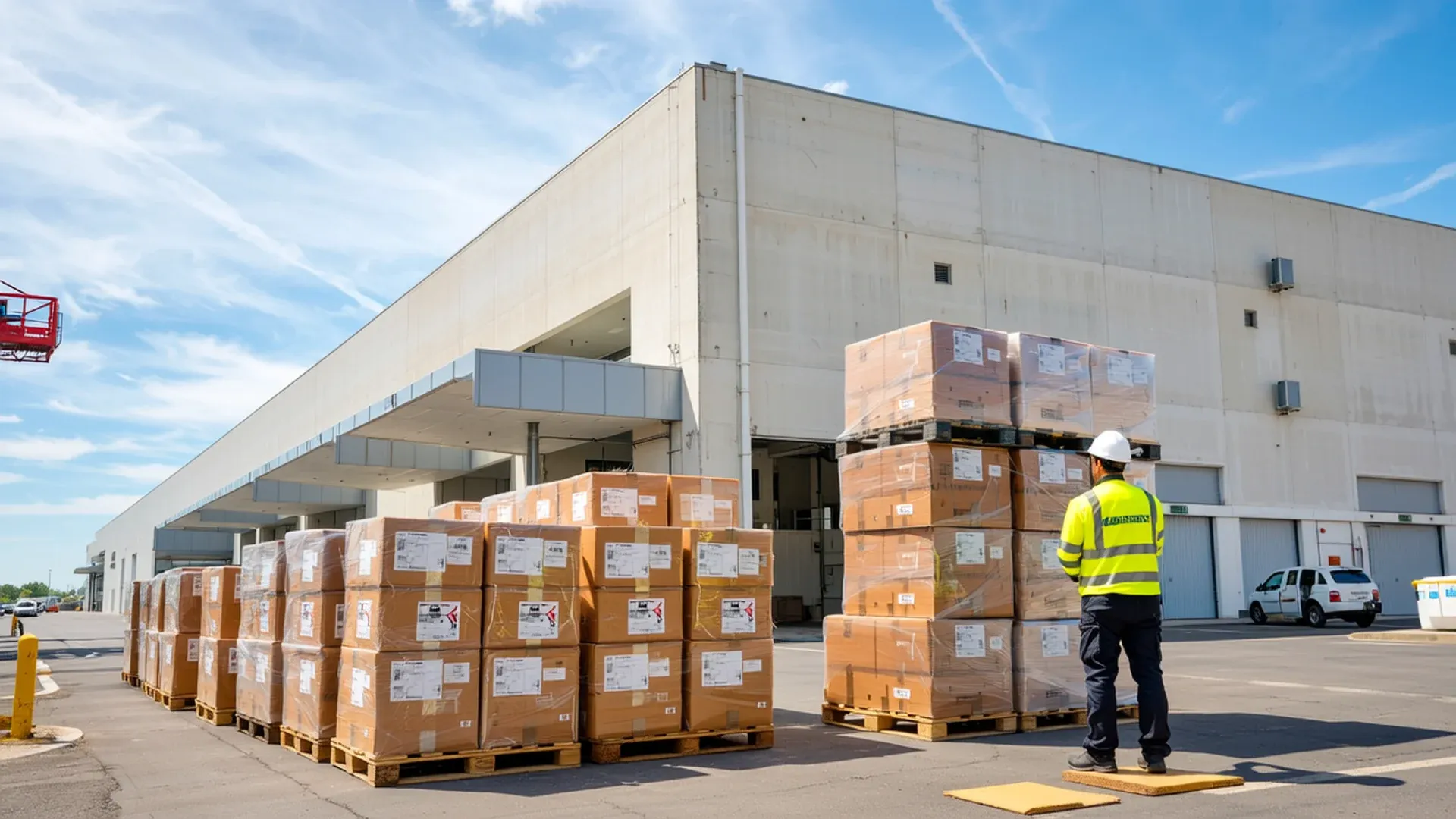
Burlington is undertaking a significant expansion of its logistical infrastructure with the establishment of a new distribution center in Georgia. This facility represents a substantial investment in bolstering the company's capacity to support its ongoing retail growth trajectory. The new site is strategically located near the Port of Savannah, positioning it advantageously within a major East Coast trade gateway. The facility itself is slated to encompass nearly 2 million square feet of operational space, indicating a considerable increase in throughput capability and storage capacity.
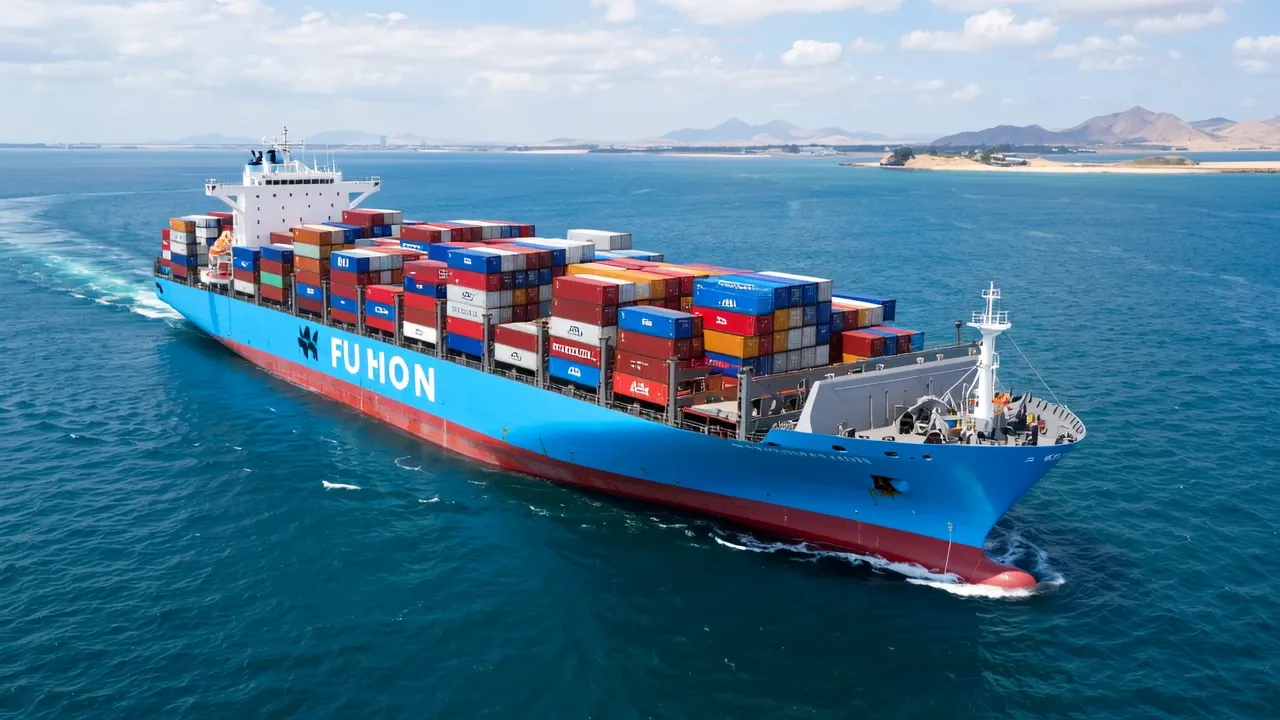
This development aligns with broader industry trends showing sustained growth in e-commerce fulfillment and the necessity for robust, geographically distributed warehousing. The decision to place this hub near a major port suggests an emphasis on optimizing inbound and outbound supply chain flows, particularly those involving maritime freight. Analyzing the regional logistics landscape, the proximity to Savannah offers critical access to international shipping lanes, which is vital for maintaining efficient inventory levels and meeting consumer demand across the Southeastern United States.
From an operational standpoint, the construction and commissioning of such a large-scale facility necessitate sophisticated planning, touching upon areas such as Logistics Network Planning and advanced Warehousing And Distribution Centers management. The integration of this new asset into the existing network requires careful consideration of transportation lane optimization and inventory placement to maximize service levels while minimizing transit times. The scale of the investment underscores the commitment to enhancing supply chain resilience.
This move can be viewed through the lens of enhancing Freight Network Redundancy. By adding a large, modern node in Georgia, the company diversifies its operational footprint, reducing dependency on singular regional hubs. This diversification is a key component of modern risk mitigation in complex global supply chains, a topic frequently discussed by analysts tracking retail logistics trends Gartner Report on Retail Logistics. The operational implications extend beyond mere square footage; they involve integrating new material handling systems, optimizing labor deployment, and establishing new last-mile connectivity protocols.
Reviewing the initial announcement details, the expansion is clearly a response to sustained demand, as detailed in the original report Burlington Georgia Distribution Center News. The strategic placement near the Port of Savannah also suggests an awareness of regional trade dynamics, which are heavily influenced by port throughput and infrastructure investment, as monitored by agencies such as the U.S. Department of Transportation DOT Data. The ability to efficiently move goods through this new facility will be crucial for Burlington's ability to manage fluctuating demand patterns, a challenge amplified by recent global economic volatility BLS Economic Outlook.
Explore More Articles
Operational Implications and Network Dynamics
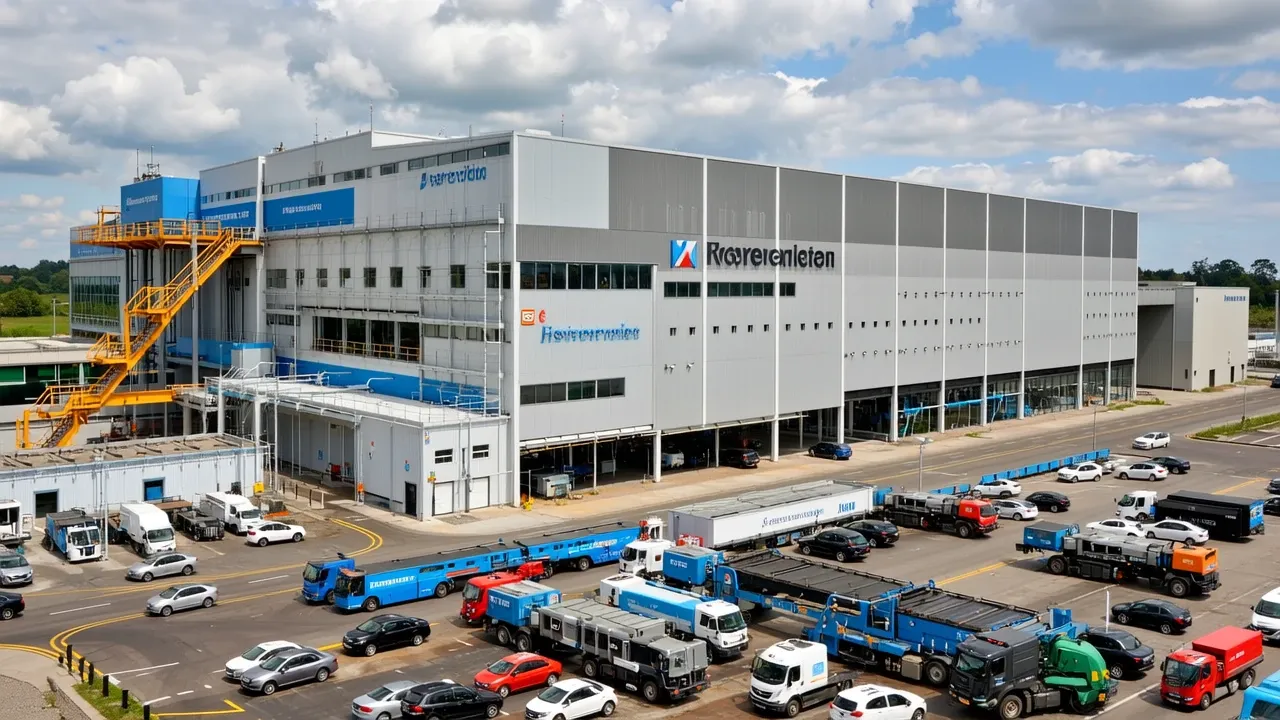
The introduction of a nearly 2 million square foot facility near a major port introduces several critical variables into the broader supply chain ecosystem. Logistically, this facility acts as a major consolidation and deconsolidation point. Effective utilization of this asset requires advanced Network Optimization Tools to manage the flow of goods from international carriers arriving at the Port of Savannah to final distribution points. This level of complexity demands a high degree of precision in inventory management and transportation scheduling.
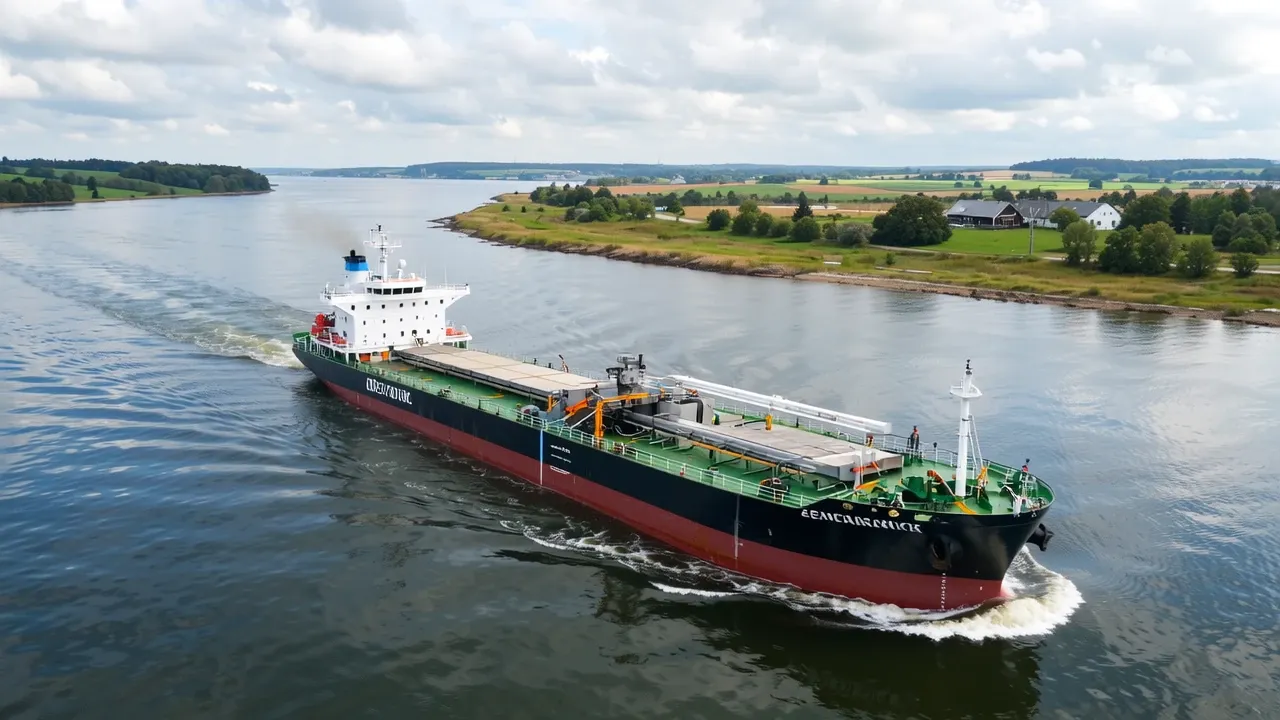
Furthermore, the operational success of this hub will depend on its ability to interface seamlessly with existing transportation modes—road, rail, and sea. The efficiency of these handoffs is paramount. When considering the movement of goods through major ports, understanding the dynamics of Port Operations Management is essential. Delays or bottlenecks at the port level can cascade rapidly through the entire distribution network, making the integration of this new facility a study in managing upstream variability.
From a theoretical modeling perspective, this expansion allows for a more granular application of Logistics Network Modeling. Planners can now simulate various demand scenarios against this new capacity, stress-testing the network's ability to absorb shocks. This proactive modeling helps in designing robust contingency plans, moving beyond reactive measures to a state of predictive logistics. The ability to model these interactions is increasingly important as global trade patterns become more volatile, a trend reflected in international trade data USTR Trade Reports.
To maintain competitive advantage, the operational tempo within this center must be high. This requires not just physical space, but also optimized processes for receiving, putaway, picking, and shipping. The strategic placement near Savannah also suggests an anticipation of future growth in East Coast trade volumes, which is a key indicator for long-term Logistics Network Planning. The successful integration of this asset will serve as a case study in how large retailers are adapting their physical infrastructure to meet evolving consumer expectations for speed and availability, a trend supported by analyses of retail spending patterns SEC Filings Analysis.


Loading comments...