FedEx Utilizes Freight Spin-Off Proceeds to Reduce Debt Load

Mark Thompson
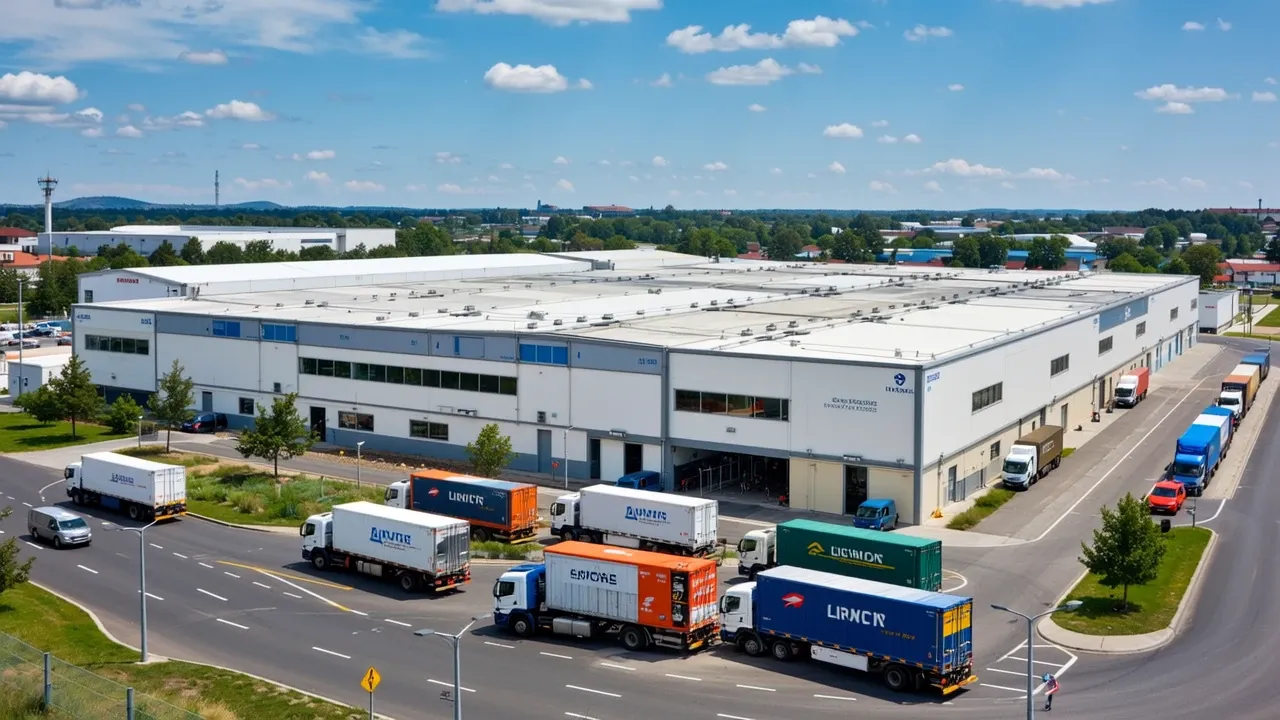
Financial Restructuring in Global Logistics
FedEx Corp. has initiated a significant financial maneuver, announcing the commencement of cash tender offers aimed at redeeming up to $4.15 billion of its outstanding debt. This strategic action is directly linked to the proceeds generated from the spin-off of its freight division. This move signals a major shift in the company's capital structure and operational focus, allowing the parent entity to deleverage its balance sheet using capital derived from its logistics segment. The announcement, detailed in the press release here, underscores the importance of segmenting core business units to optimize financial performance and risk exposure.
From a logistics industry perspective, this restructuring highlights the increasing trend among large conglomerates to separate high-growth or specialized operational units into independent entities. For the freight and logistics sector, this separation can create clearer market valuations for the specialized unit, while allowing the parent company to streamline its focus. The ability to generate substantial capital through such a spin-off provides the necessary liquidity for large-scale balance sheet cleanups, such as debt reduction.
Debt reduction is a critical component of corporate financial health, often allowing companies to improve credit ratings and reduce interest expenses. When analyzing large-scale corporate maneuvers like this, industry observers look closely at how these changes impact operational efficiency and future investment capacity. For logistics providers, maintaining a strong financial footing is paramount, especially given the volatility in global supply chains. Factors such as fluctuations in fuel costs, labor availability, and geopolitical stability directly influence operational expenditure, making robust financial planning essential. Understanding the mechanics of how capital is deployed—whether for M&A, technology upgrades, or debt servicing—is key to assessing long-term industry health. This strategic use of proceeds allows the company to potentially reinvest capital into core competencies or enhance its service offerings, such as improving Freight Transit Time Reduction Strategies or enhancing Real-Time Inventory Visibility.
Regulatory oversight plays a continuous role in these large transactions. Entities involved in major financial restructuring must adhere to stringent reporting requirements mandated by bodies such as the Securities and Exchange Commission (SEC). Furthermore, the operational aspects of freight movement are governed by various transportation authorities, such as the Department of Transportation (DOT) in the United States, which sets standards for safety and commerce. The successful execution of such a complex financial and operational separation requires meticulous planning across legal, financial, and operational domains. This move positions the separated freight entity to pursue its own growth trajectory, potentially focusing intensely on optimizing its network topology and service delivery models, while the parent company solidifies its financial standing.
Explore More Articles
Implications for the Freight & Logistics Ecosystem
The financial decoupling of a major logistics arm has ripple effects across the broader freight ecosystem. When a division spins off, the market gains a more focused view of that unit's performance metrics, which can influence how shippers and carriers interact with the newly independent entity. For shippers relying on complex global movements, the continuity of service remains a primary concern. Operational continuity is often supported by robust internal processes, including managing variables like Container Dwell Time and ensuring timely adherence to schedules.
This financial maneuver also reflects the industry's ongoing need for efficiency. As global trade volumes shift and demands for speed increase, the pressure to optimize every facet of the supply chain intensifies. Companies are increasingly looking at advanced analytics to improve routing and reduce delays. For instance, the application of advanced modeling can inform decisions regarding Freight Route Topological Analysis to ensure maximum efficiency across vast networks. The ability of the parent company to secure its financial base through this transaction provides a stable platform from which to support or influence the evolving standards of the industry.
Furthermore, the operational separation allows the freight entity to potentially tailor its service offerings more precisely. Whether focusing on high-volume standardized movements or specialized, time-sensitive cargo, the new structure allows for targeted investment. This focus is crucial in an environment where shippers demand transparency and predictability, often requiring deep insights into the entire journey, from the Actual Time of Departure (ATD) to the Actual Time of Arrival (ATA). The industry continues to evolve, driven by both financial imperatives and technological advancements, pushing the boundaries of what is achievable in global movement of goods. For more context on regulatory shifts impacting trade, resources from the U.S. Trade Representative (USTR) provide valuable insights into international commerce trends.
Loading comments...