JetZero Commences Aircraft Factory Construction in North Carolina

Mark Thompson
Aviation Manufacturing Expansion Signals Supply Chain Shifts
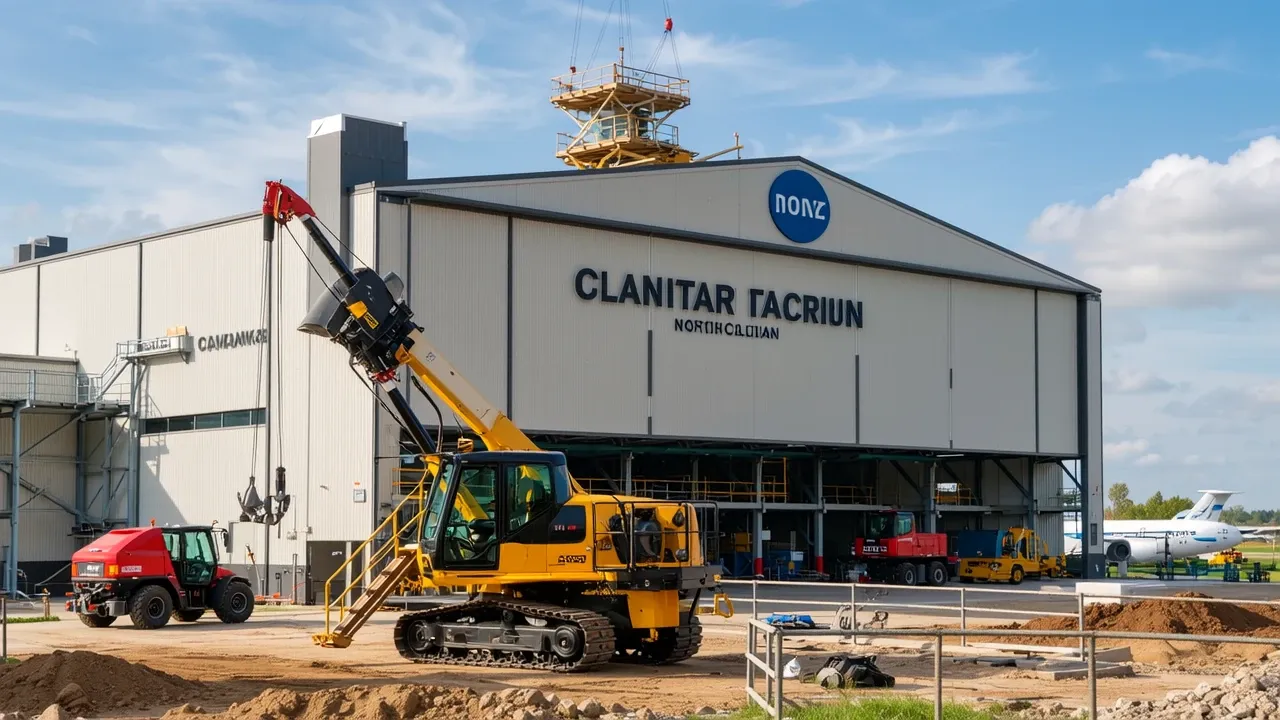
JetZero has officially broken ground on its inaugural aircraft manufacturing facility located in Greensboro, North Carolina. This development marks a significant step in the company's operational scaling, as the facility is slated to produce the Z4 aircraft model. The announcement indicates substantial planned economic impact, projecting the creation of 14,500 jobs over the next decade. This expansion into advanced aerospace manufacturing places the region at a critical node within the evolving global supply chain landscape.
The establishment of a dedicated factory underscores a trend toward localized, high-value production within the aerospace sector. As global logistics networks become increasingly complex, the ability of manufacturers to control production timelines and quality through dedicated, regional hubs becomes a key competitive advantage. For logistics providers, this translates into new requirements for specialized handling, just-in-time delivery protocols, and potentially new modes of transport, particularly concerning the movement of large, sensitive components.
This move is part of a broader industry pivot toward sustainable aviation technologies. JetZero's focus on the Z4 aircraft aligns with global decarbonization efforts, which are placing new demands on the entire lifecycle of an aircraft, from raw material sourcing to final delivery. Analyzing the implications for freight movement requires looking beyond simple transportation metrics; it involves understanding the entire operational flow, including the documentation required, such as the proper use of an Air Waybill for international movements, and managing the associated risk through appropriate coverage like All-Risk Insurance (Air Cargo).
The scale of this operation suggests a need for robust, end-to-end logistics solutions. The construction phase itself requires managing the inflow of massive construction materials, while the operational phase will demand intricate coordination for component delivery. This complexity is amplified by the need to adhere to stringent aviation regulatory standards, often overseen by bodies like the Federal Aviation Administration (FAA) DOT. The commitment to creating 14,500 jobs also speaks to the regional economic strategy, which relies heavily on attracting advanced manufacturing capabilities. Further details regarding the project scope can be found in the original report JetZero Breaks Ground on First Aircraft Factory in Greensboro, N.C..
From a logistical perspective, the transition from prototype to mass production requires a mature supply chain capable of handling high volumes of complex parts. This necessitates sophisticated inventory management and reliable Ground Transportation Services to feed the assembly line efficiently. The integration of these manufacturing hubs into global trade lanes is a primary focus for modern logistics firms, ensuring that the specialized components arrive precisely when needed to maintain the production schedule.
Explore More Articles
Operational Implications for Aerospace Logistics
The establishment of a major production facility like JetZero's in Greensboro introduces several critical considerations for the logistics sector. The movement of aircraft components often involves highly specialized cargo. Unlike standard commercial freight, aerospace parts require meticulous tracking, environmental control, and adherence to strict security protocols. The sheer size and weight of sub-assemblies necessitate specialized heavy-lift capabilities, whether utilizing dedicated air freight lanes or optimized ground transport networks.
When considering the flow of materials into this new factory, the supply chain must manage variability inherent in global sourcing. Components may originate from various international suppliers, requiring expertise in International Air Freight and customs compliance. Furthermore, the pricing structures for these specialized movements are influenced by fluctuating operational costs, such as those related to fuel surcharges, which are often managed through mechanisms like the Bunker Adjustment Factor (BAF).
The projected job creation of 14,500 implies a sustained, high-volume operational tempo. This sustained demand requires logistics partners to move beyond transactional shipping to become integrated supply chain extensions. Companies must demonstrate deep operational knowledge of the aerospace industry's unique requirements, including certifications and compliance with international bodies such as the IATA (International Air Transport Association). The growth in advanced manufacturing, supported by government initiatives, is expected to continue, as noted by economic forecasts from organizations like the Bureau of Labor Statistics BLS.
Successfully supporting this scale of production requires predictive analytics in logistics planning. Delays in the delivery of a single critical component can halt an entire assembly line, leading to significant financial penalties. Therefore, the resilience and visibility of the logistics network become as important as the physical movement itself. The trend toward domestic manufacturing, as seen here, is often supported by incentives aimed at bolstering domestic industrial capacity USTR.



Loading comments...