Navigating Robotic Grasping Hurdles in Automated Warehousing

Mark Thompson
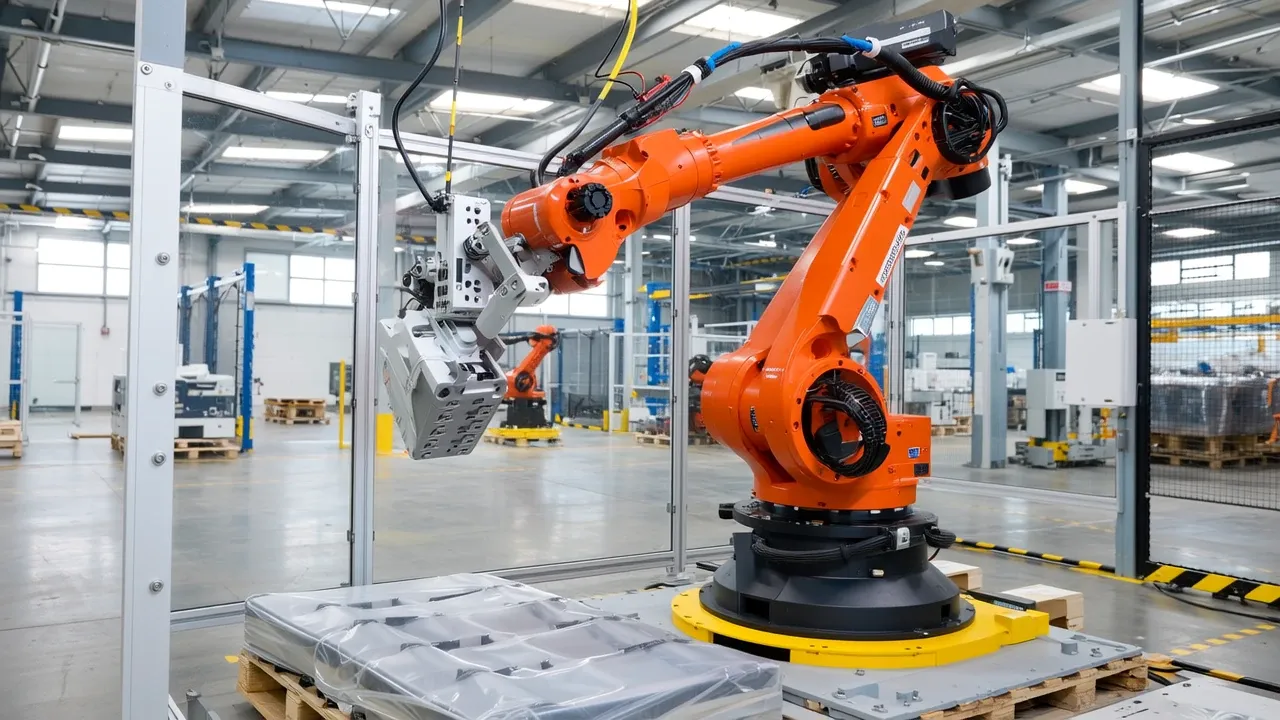
The Intricacies of Robotic Manipulation in Logistics
Warehouse automation promises significant gains in operational efficiency, speed, and accuracy within modern supply chains. However, the transition from theoretical potential to seamless, real-world deployment is frequently hampered by complex physical challenges, chief among them being robotic grasping. While robotic arms excel at repetitive tasks with standardized items, the variability inherent in real-world inventory presents a significant hurdle. A robot must not only locate an object but must also correctly assess its geometry, weight distribution, surface texture, and orientation before executing a successful grasp. This is far more complex than simply picking up a uniformly packaged box.
The core difficulty lies in perception and adaptability. Current robotic systems often rely on pre-programmed models of objects. When faced with 'clutter'—items stacked irregularly, partially obscured, or deformed—these models fail. The unstructured nature of a typical warehouse environment demands a level of sensory intelligence that pushes the boundaries of current machine vision and tactile sensing technology. Research into this area highlights that achieving robust grasping across a wide range of SKUs requires sophisticated AI models capable of handling high levels of uncertainty. For a deeper dive into the operational constraints, review this analysis on Robotic Grasping Challenges in Warehouse Automation.
Variability: The Enemy of Automation
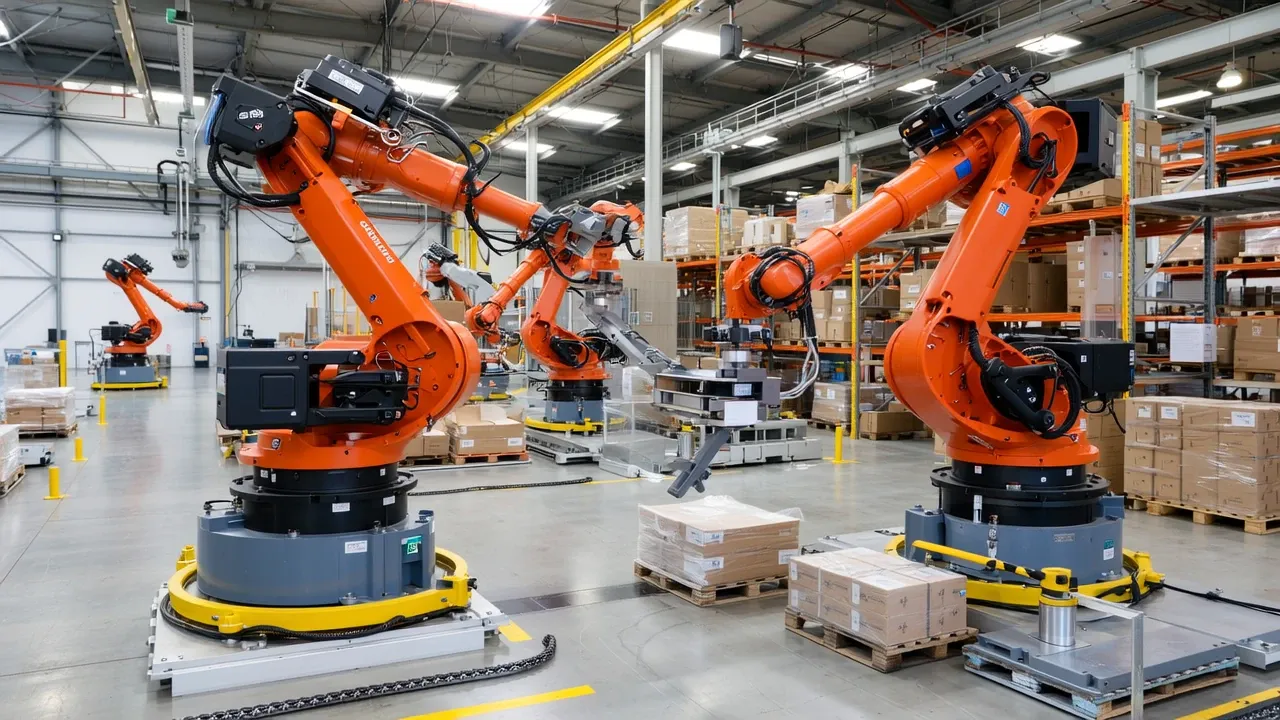
Inventory is rarely perfect. Items can be fragile, slippery, oddly shaped, or presented in dynamic configurations. A standard industrial gripper designed for rigid, predictable objects will fail when encountering a soft, irregularly shaped piece of produce or a loosely stacked carton. This necessitates a shift from deterministic programming to probabilistic decision-making, where the robot calculates the probability of a successful grasp based on real-time sensor input.
This challenge is compounded by the need for speed. In high-throughput logistics operations, the time spent analyzing an object and calculating the optimal grasp point must be minimal. Slow perception directly translates to reduced throughput, negating the primary economic benefit of automation. Furthermore, the integration of these complex manipulation systems requires robust infrastructure, including high-speed computing power and reliable sensor fusion, which adds layers of operational complexity to the overall automation architecture. As logistics continues to evolve, the ability of robots to handle this inherent variability will dictate the pace of adoption across various sectors, from e-commerce fulfillment to manufacturing support. Understanding these limitations is crucial for designing resilient and scalable automated systems, a topic closely related to optimizing inventory management strategies.
Explore More Articles

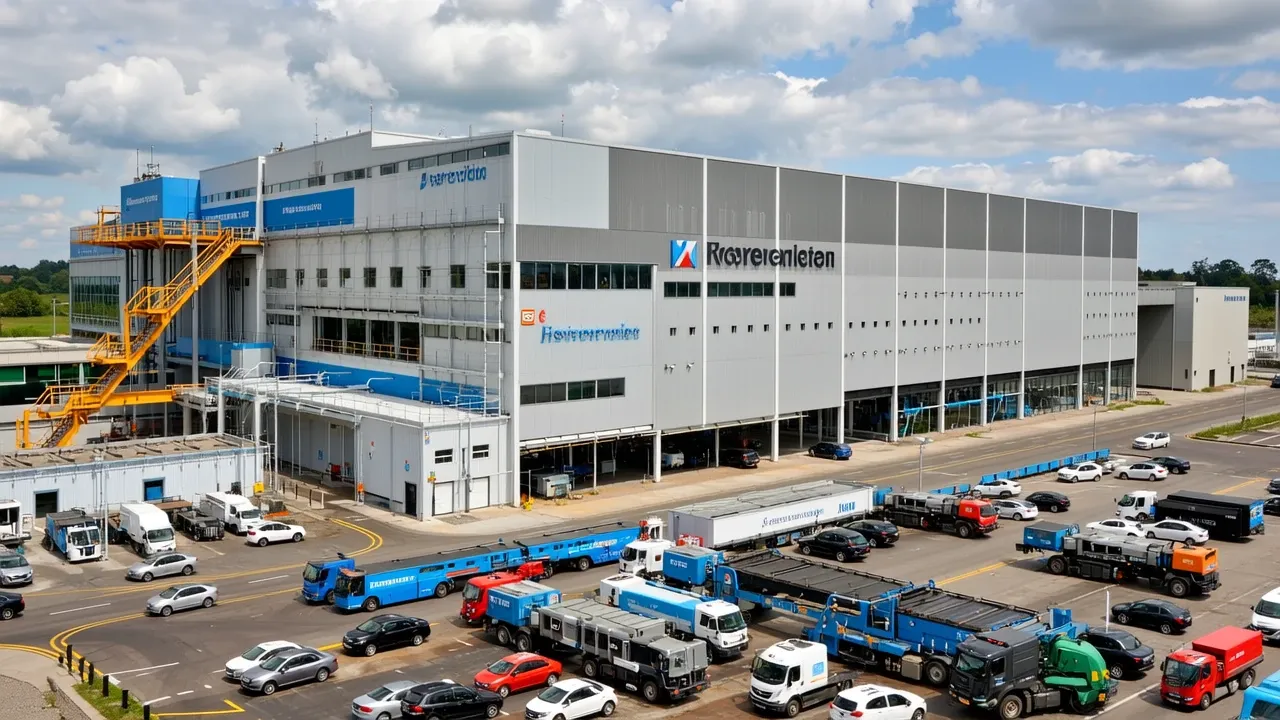

Mobile Manipulation: Bridging the Gap to Versatility
One of the most promising avenues addressing the limitations of fixed robotic arms is the integration of mobile manipulation. Instead of relying solely on a stationary arm, mobile platforms—robots capable of navigating the warehouse floor—can bring the manipulation capability directly to the variable inventory location. This approach fundamentally changes the operational paradigm from 'robot moves to object' to 'robot moves with capability to object.'
Mobile manipulation systems combine autonomous navigation (SLAM, path planning) with sophisticated grasping mechanisms. This synergy allows the system to address spatial variability—the object's location—while the grasping component addresses geometric and material variability. For instance, a mobile robot can approach a pallet that has been shifted slightly off its designated slot, a scenario that would trip up a fixed system relying on precise coordinates. The robot's onboard sensors can then perform a localized perception task to adjust its approach vector and grasp parameters dynamically.
This capability is critical for handling mixed-SKU environments where items are not uniformly presented. By combining mobility with adaptable grasping, systems can move beyond simple pick-and-place tasks toward more complex tasks like sorting, kitting, and dynamic replenishment. This trend aligns with broader industry movements toward more flexible automation, as noted by reports from organizations like Gartner regarding future warehouse technology adoption. Furthermore, the increasing complexity of global supply chains necessitates such adaptable infrastructure, as evidenced by regulatory shifts impacting cross-border movement, such as those monitored by the U.S. Department of Transportation.
Improving the reliability of these mobile systems requires advancements in localization accuracy and collision avoidance, ensuring safe and efficient operation alongside human workers. This integration represents a significant step toward achieving truly autonomous, adaptive logistics environments, moving beyond the constraints of static automation cells. This adaptability is a key factor in improving overall supply chain visibility.



Loading comments...