The 'Octopus Organization': How AI is Redefining Operational Decision-Making

Sarah Williams
The Decentralization of Command in the Age of AI
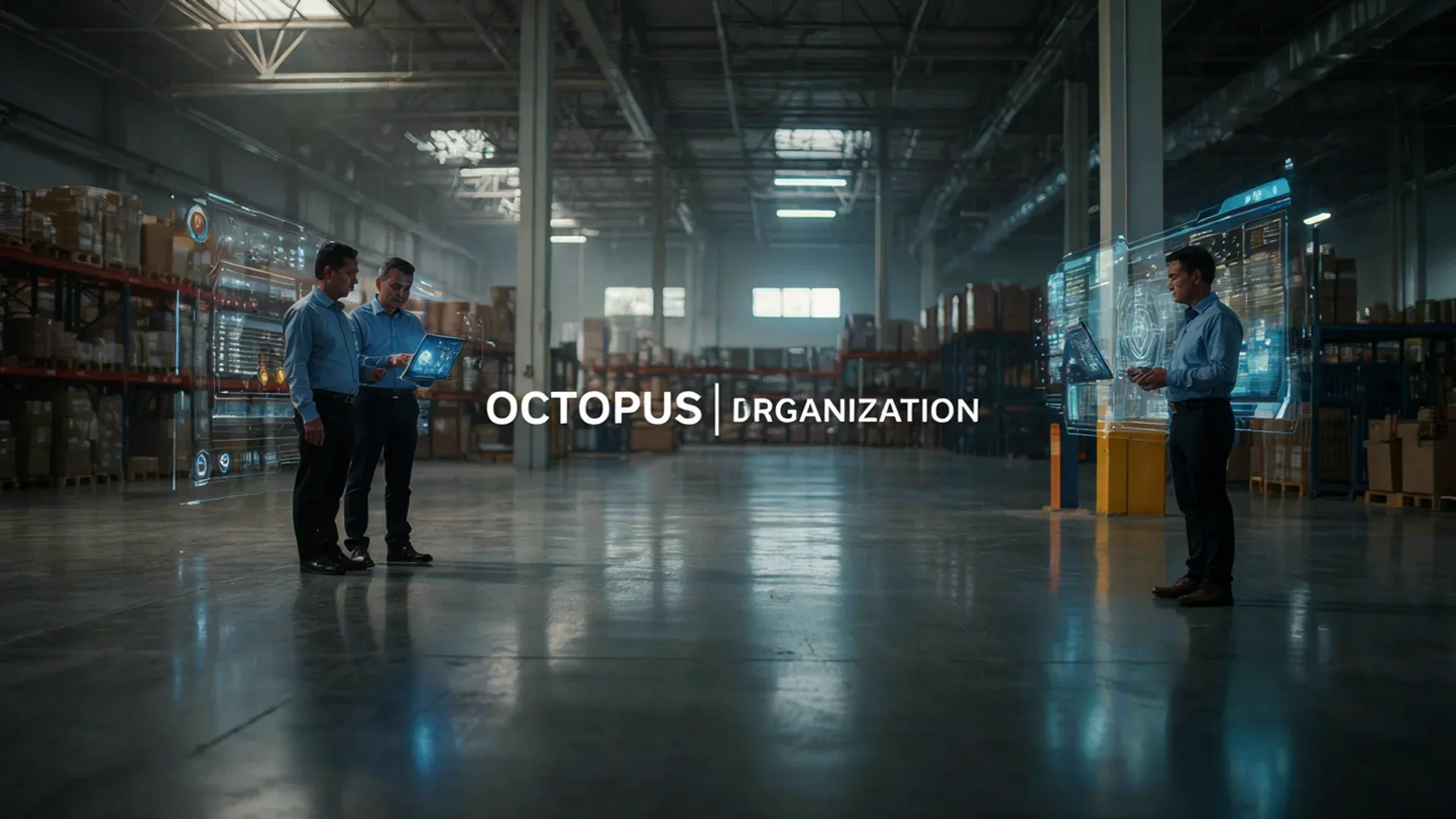
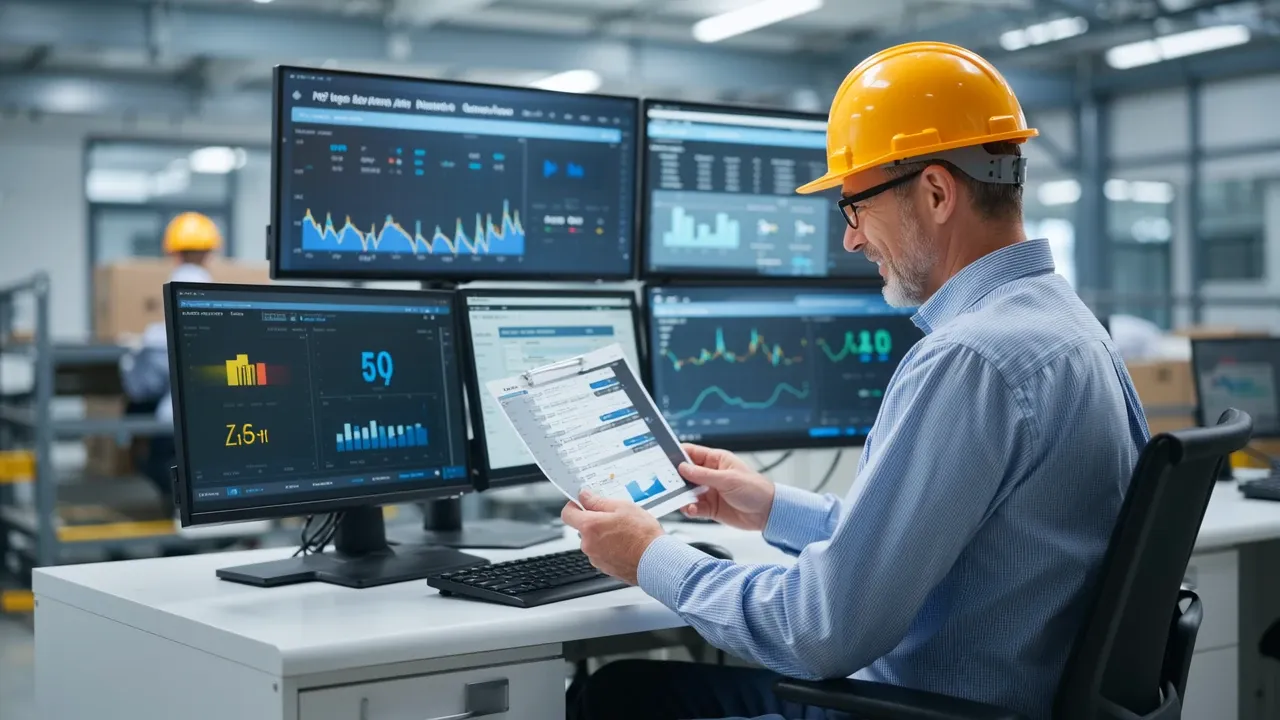
Futurist Jonathan Brill recently highlighted a paradigm shift in organizational structure, suggesting that Artificial Intelligence is poised to fundamentally alter who holds decision-making authority within complex operational environments. This concept, dubbed the 'Octopus Organization,' implies a highly distributed network where decision-making power moves away from centralized hierarchies and towards the frontline workers equipped with real-time data and AI support. This transition is not merely an incremental software upgrade; it represents a structural re-engineering of how logistics and supply chains function.
In traditional models, complex decisions—from rerouting shipments to adjusting inventory buffers—often require escalation through multiple management layers. This introduces latency, potential bottlenecks, and a dependency on managerial bandwidth that is increasingly strained by modern operational velocity. The integration of sophisticated AI tools changes this equation by providing frontline personnel with predictive analytics, prescriptive recommendations, and automated execution capabilities. Instead of merely reporting data, the worker becomes an empowered decision node.
This shift necessitates a deep re-evaluation of management roles. If AI handles the routine optimization—such as dynamic scheduling or immediate exception handling—human managers must pivot toward higher-order functions: strategic oversight, managing AI performance, and handling truly novel, 'Black Swan' events. This aligns with broader trends seen across industries where data-driven autonomy is replacing command-and-control structures. For logistics providers managing intricate global flows, this means that the individual managing a specific leg of transport or a particular warehouse process gains unprecedented operational agency, provided they have access to robust logistics-management-software.
Analyzing the implications for supply chain resilience, the move toward distributed decision-making can enhance responsiveness. When localized issues can be resolved instantly by the person closest to the problem, the overall system becomes more antifragile. This contrasts sharply with older models that relied on slow, top-down corrective actions. The potential for this transformation is vast, touching everything from optimizing transportation-fleet-management to managing complex regulatory environments, such as those governed by Compliance Management. The insights shared by Brill, detailed in the article The ‘Octopus Organization’: How AI Could Change Who Makes Decisions, underscore the urgency of preparing organizational frameworks for this decentralized intelligence.
Explore More Articles
Operationalizing Autonomy: Challenges and Requirements
The transition to an Octopus Organization is not automatic; it requires significant investment in data infrastructure, trust calibration, and workforce upskilling. The core challenge is ensuring that the AI recommendations are not only accurate but also contextually appropriate for the specific operational constraints—be they regulatory, physical, or contractual. If the AI lacks visibility into the nuances of a particular Foreign Trade Zone (FTZ) Management operation, its prescriptive advice could lead to costly errors.
To enable this level of frontline autonomy, the underlying systems must support a high degree of operational transparency. Workers need to understand not just what the AI suggests, but why. This requires moving beyond simple alerts to providing explainable AI (XAI) outputs. Furthermore, the organizational structure must evolve to support this distributed accountability. Instead of managers being the sole arbiters of risk, they become orchestrators of the AI and the human operators.
Consider the impact on inventory control. In a highly autonomous environment, decisions regarding stock placement or replenishment must be instantaneous. This demands a level of precision that goes beyond standard tracking; it requires predictive modeling integrated directly into the workflow. This ties into advanced concepts like Inventory Flux Management. External analyses from bodies like the Department of Transportation (DOT) continually highlight the need for improved data flow to mitigate systemic risks in freight movement DOT Website.
Moreover, the integration of AI into core processes like Cargo Transport Management requires rigorous validation. As automation increases, the scope of human intervention shifts toward exception handling and strategic adaptation. This necessitates a workforce trained not just in logistics execution, but in interacting with intelligent systems. The ability to manage these complex, interconnected processes is becoming a key differentiator in modern Supply Chain Management (SCM). Gartner research frequently points to the necessity of robust digital thread integration to realize the benefits of such decentralized operations Gartner Insights. The shift demands a proactive approach to Enterprise Risk Management where risk is managed dynamically at the point of action, rather than retrospectively at the executive level.

Loading comments...