Coca-Cola Commits $10 Billion Investment to U.S. Operations Through 2030

Emily Johnson
Strategic Capital Deployment in U.S. Logistics and Production
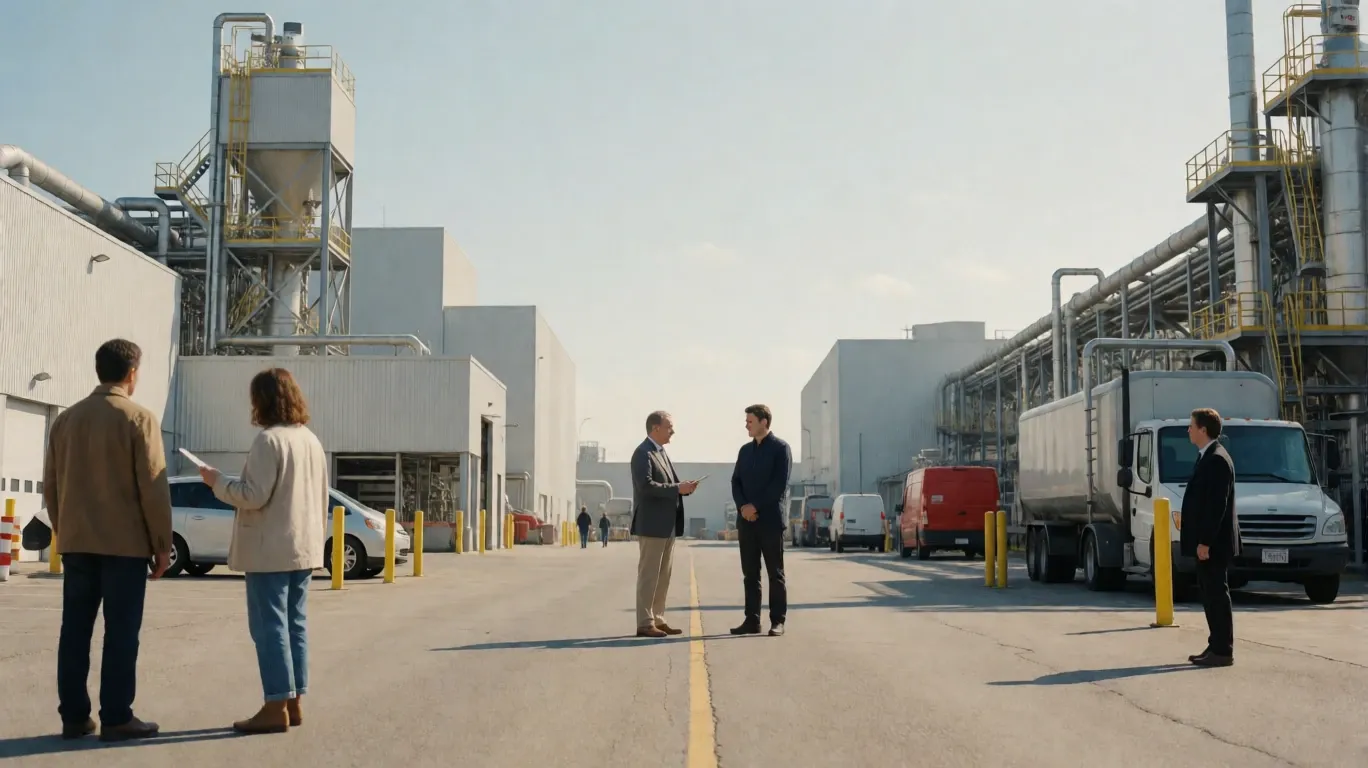
Coca-Cola has announced a substantial capital commitment, earmarking over $10 billion to enhance its production, distribution, and corporate facilities across the United States through the year 2030. This significant investment signals a major strategic focus on bolstering domestic operational capacity and optimizing its supply chain infrastructure within the North American market. The scope of this spending suggests deep integration across manufacturing footprints, advanced logistics networks, and administrative capabilities.
This level of investment necessitates rigorous planning across the entire value chain, from raw material sourcing to final product delivery. For a company of Coca-Cola's scale, such capital deployment directly impacts the efficiency of its entire freight distribution network. Enhancements are expected not only in increasing throughput but also in modernizing the physical assets that support high-volume throughput, such as upgrading existing Warehousing And Distribution Centers.
Analyzing this move requires looking beyond simple capacity expansion. Modern logistics demands resilience, speed, and sustainability. The investment will likely target the integration of advanced technologies into existing Distribution Center Operations to improve inventory accuracy and speed up order fulfillment. Furthermore, optimizing the flow of goods across vast geographic areas requires sophisticated Network Distribution Management. This commitment aligns with broader industry trends toward localized, robust supply chains, a trend supported by governmental focus on domestic manufacturing capacity, as monitored by agencies like the Department of Commerce.
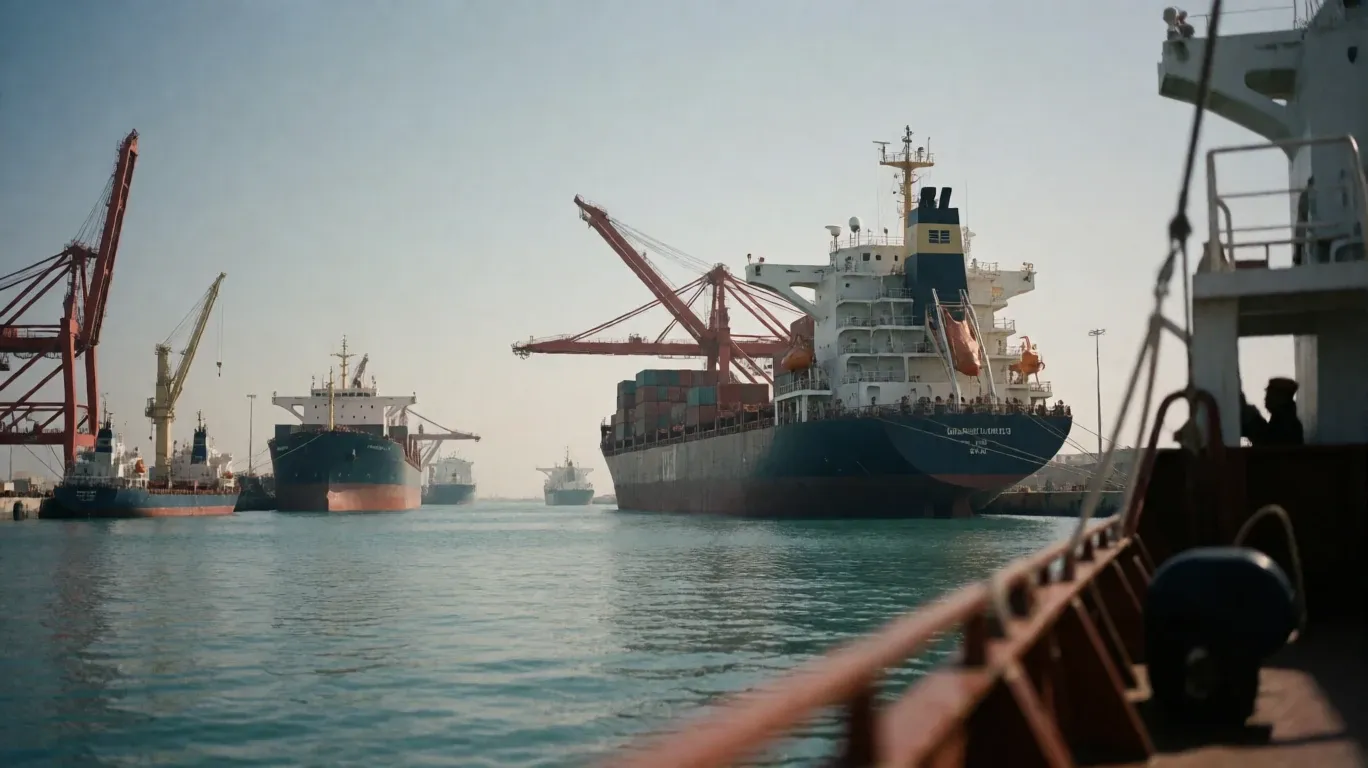
Understanding the implications of this scale requires an examination of various logistical touchpoints. Whether the focus is on optimizing the internal movement within a facility or managing the external transport legs—be it trucking or rail—the capital infusion will drive changes in operational protocols. For instance, improvements in Distribution Center Logistics will directly affect lead times for retailers and distributors. This strategic outlay positions the company to meet evolving consumer demands while navigating complex global trade dynamics, a subject frequently analyzed by bodies like the U.S. Trade Representative USTR. The full details of the planned expenditures can be reviewed in the announcement made by the company here. This commitment underscores the importance of robust infrastructure supporting high-volume, time-sensitive product movement.
Explore More Articles
Operational Implications for Freight and Logistics Providers
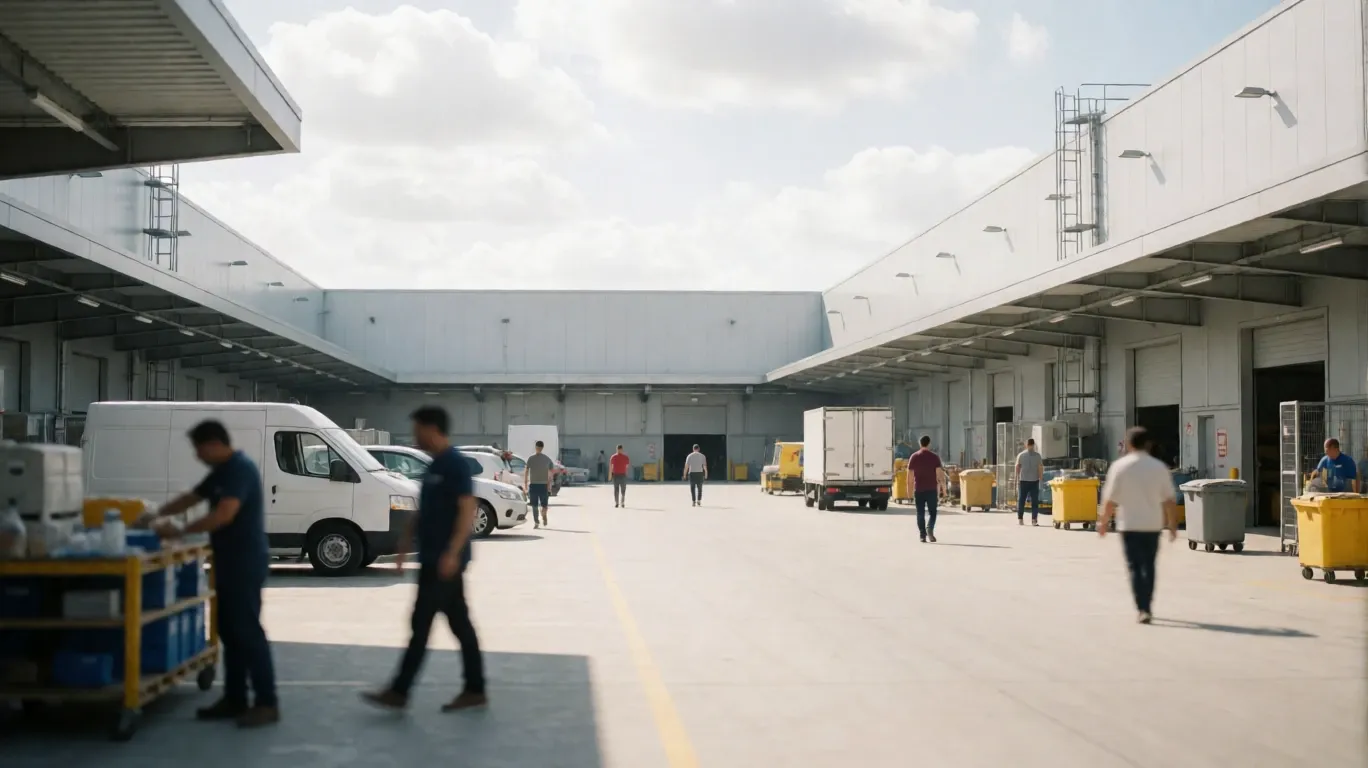
The $10 billion investment is not merely a capital expenditure on factories; it is a massive commitment to the entire operational ecosystem that supports the final mile. For third-party logistics providers, this signals a potential shift toward higher-specification requirements for partners involved in Distribution. Modernizing facilities often means adopting advanced automation and data integration, moving operations toward what some analysts term Intelligent Distribution Hubs.
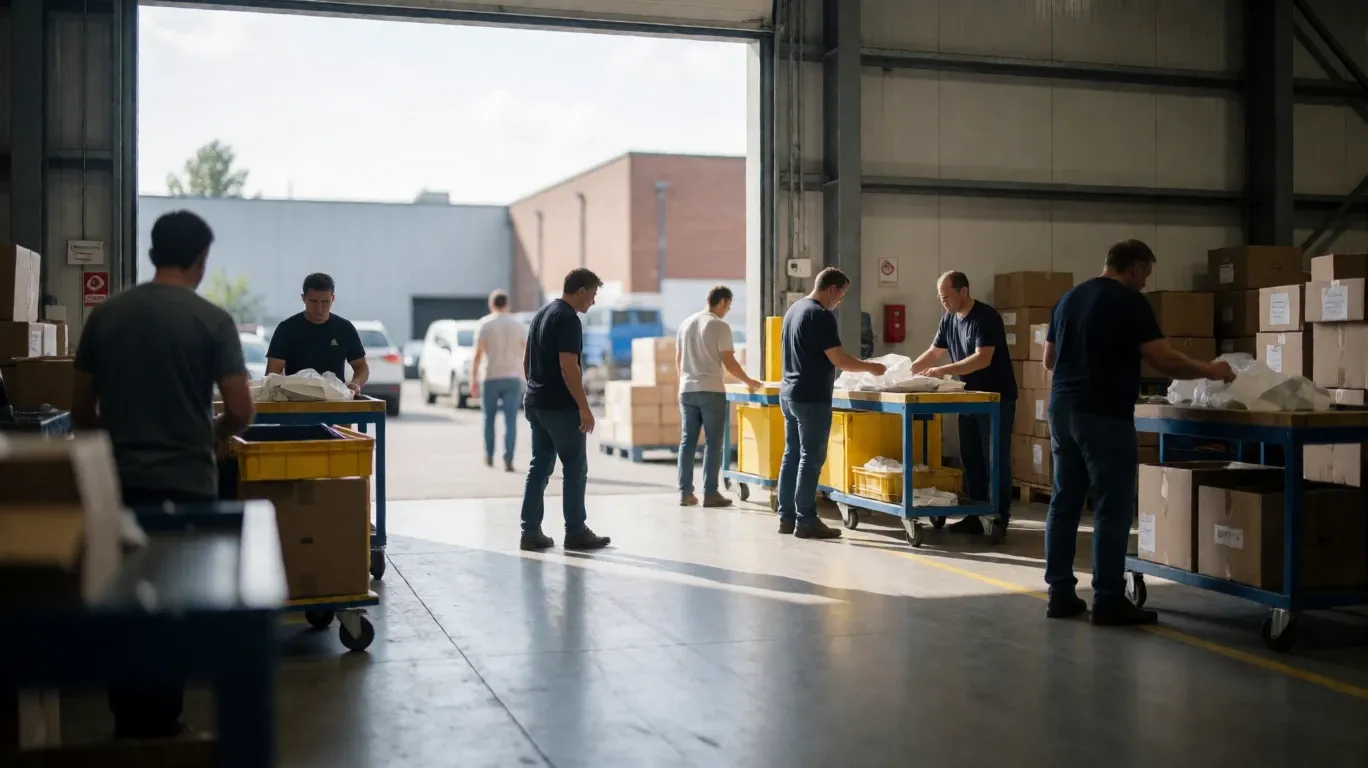
The operational impact will be felt across several modes of transport. Increased production volume requires predictable and scalable inbound and outbound transportation. If the company is optimizing its internal flow, it will place greater demands on its partners managing Cross Docking Facilities and ensuring seamless transitions between modes. Furthermore, as production scales, the need for efficient inventory management within Warehousing And Distribution Centers becomes paramount to prevent bottlenecks.
Logistics providers must be prepared to handle increased complexity. A focus on domestic optimization often means refining the last-mile delivery structure, potentially increasing reliance on specialized transport solutions, such as optimized Less Than Load (LTL). Regulatory compliance and labor availability remain key external factors influencing these large-scale logistical projects, as tracked by the Department of Transportation DOT. Successful execution of this plan hinges on the ability of the supply chain partners to adapt their Distribution Network Optimization capabilities to meet the new operational benchmarks set by the capital injection. This transformation requires deep collaboration between the shipper and their logistics partners to ensure the entire chain benefits from the modernization.

Loading comments...