Spot Rate Escalation Continues Amid Carrier Rate Hikes

Sarah Williams
Analysis of Recent Spot Rate Increases
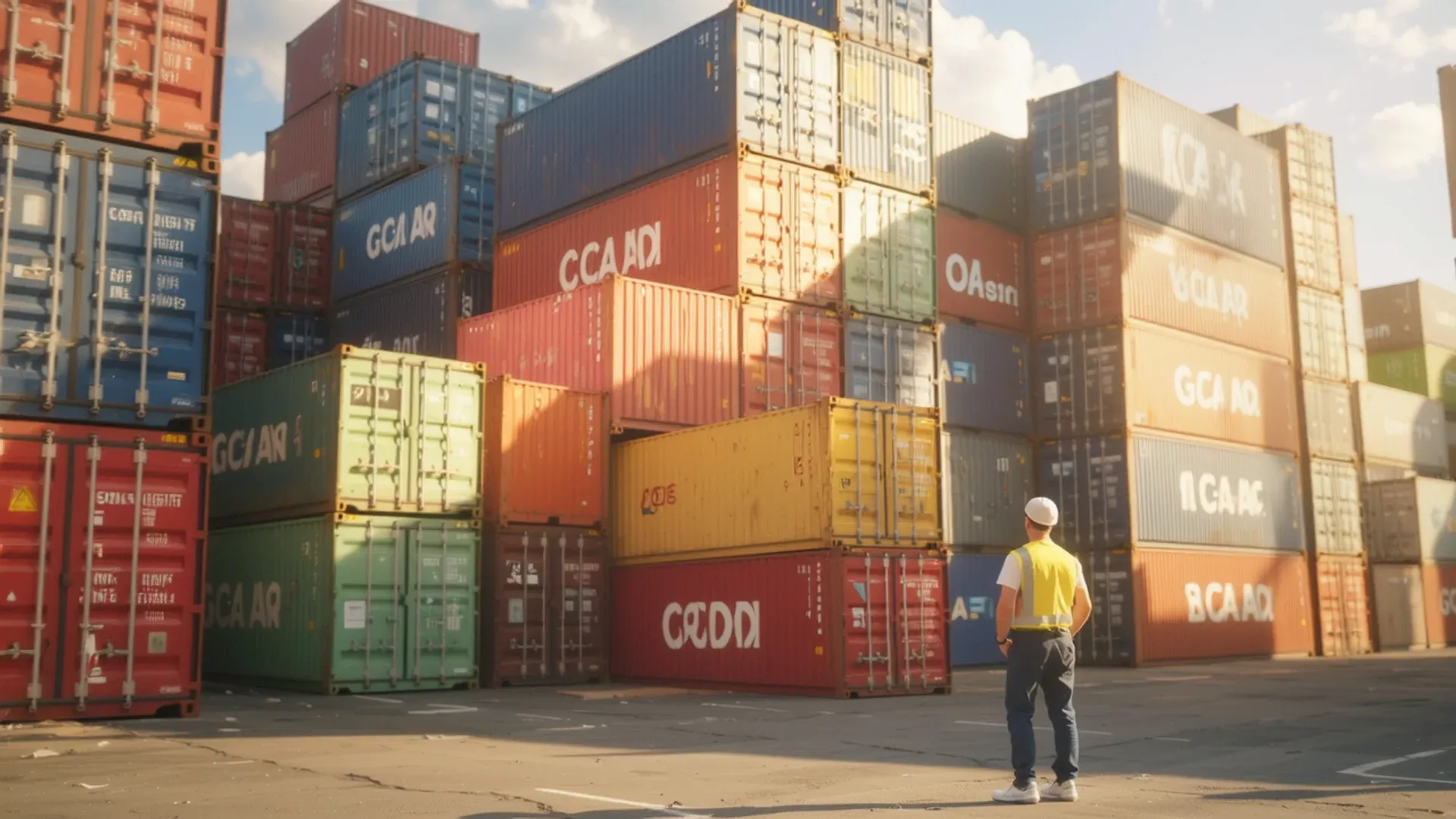
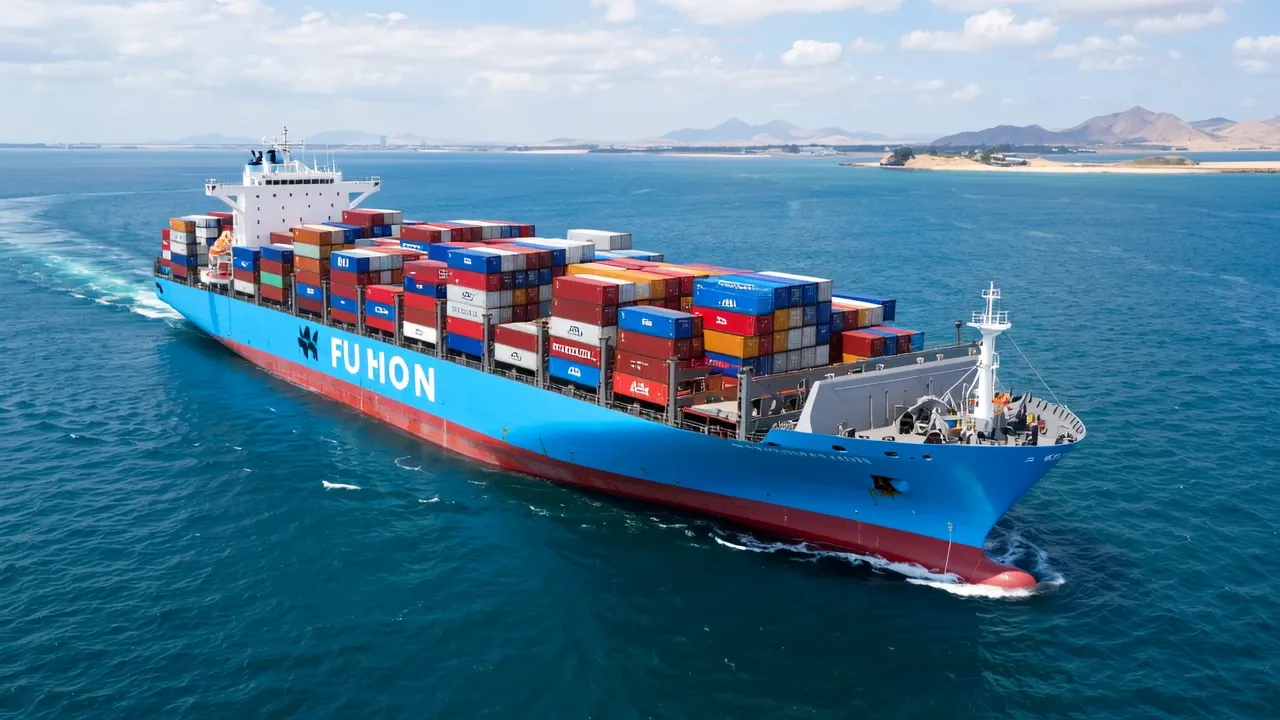
A recent series of adjustments to container freight spot rates and general rate increases, implemented on June 15th, has driven another week of double-digit price surges across key global trade lanes, specifically the transpacific and Asia-Europe routes. This trend is reflected in the latest World Container Index (WCI) data released by Drewry, which indicated significant upward movement in spot rates for the Shan route. The sustained upward pressure on pricing highlights ongoing volatility within the global logistics environment.
These successive rate hikes suggest that carriers are actively adjusting pricing structures to account for prevailing operational costs and market dynamics. Understanding these fluctuations is critical for effective freight-carrier-management. The market continues to navigate complexities related to capacity management and supply chain stability, issues that are frequently discussed in relation to container-shortage-impact.
Industry observers are closely monitoring whether these increases represent a temporary correction or a sustained shift in baseline operational expenses. The dynamics observed in the spot market often reflect broader macroeconomic indicators, such as shifts in global manufacturing output or changes in fuel costs, which are tracked by agencies like the U.S. Department of Transportation (DOT) DOT Website. The persistent upward trajectory in rates forces shippers to re-evaluate procurement strategies, potentially leading to increased reliance on advanced planning tools, such as a TMS Rate Shopping Module.
The current environment necessitates rigorous risk assessment. When rates rise sharply, the financial exposure associated with long-term contracts versus spot bookings changes dramatically. Furthermore, the regulatory landscape remains a factor; discussions surrounding practices like anti-trust-in-container-shipping continue to shape how market power is exercised by major carriers. For a deeper look into the operational metrics driving these decisions, reference to Freight Carrier Performance Metrics is advisable. This analysis is based on reports tracking market movements, including data referenced in The Loadstar Article.
Explore More Articles

Operational Implications of Elevated Freight Costs
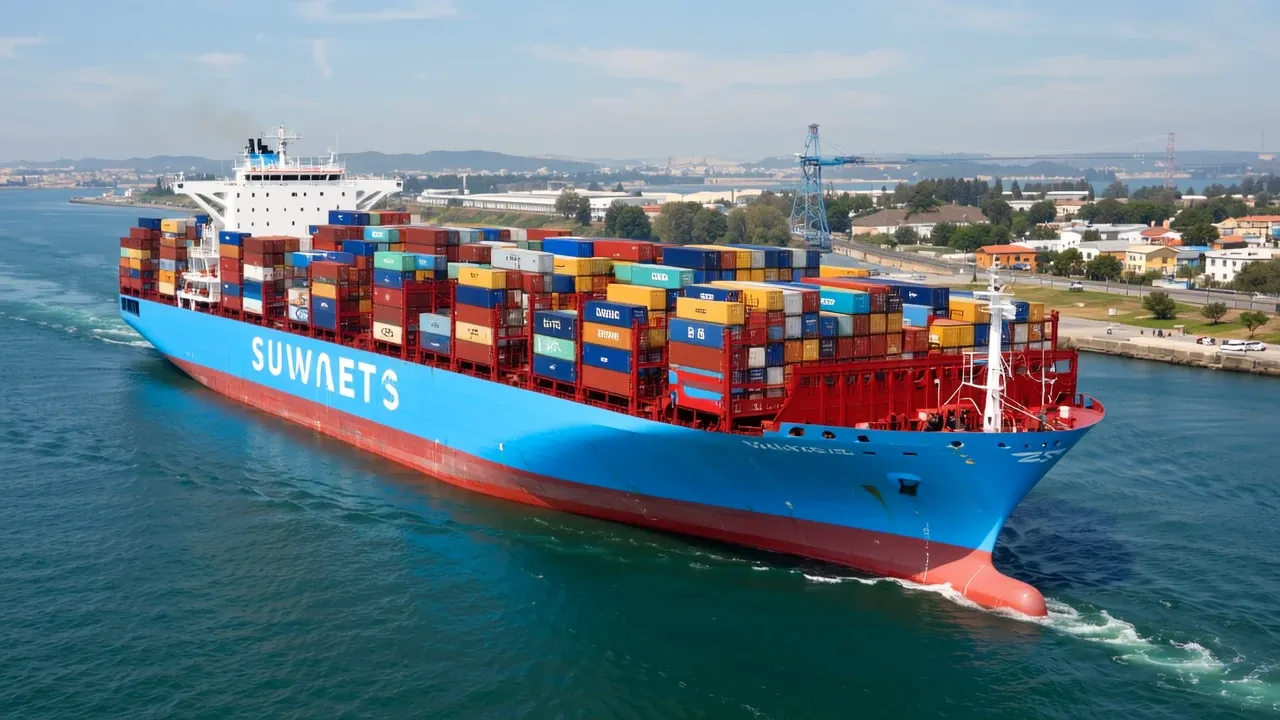
The continuous escalation in FCL Ocean Freight directly impacts the landed cost of goods. For businesses relying on predictable supply chains, these volatile spot rates introduce significant budgetary uncertainty. Companies must now employ sophisticated strategies to mitigate exposure, moving beyond simple spot market reactions. This involves detailed analysis of freight-route-topological-analysis to identify alternative, potentially more stable, routing options, even if they involve different modes of transport or transshipment points.
Logistics providers are tasked with translating these market pressures into actionable solutions for clients. This requires deep expertise in managing the entire supply chain flow, from initial booking to final delivery, which is the core function of modern 3PL operations. The rising costs underscore the importance of optimizing every step of the sea-freight-operations process. Furthermore, the efficiency of handling equipment, such as managing the availability and movement of container-chassis, becomes a critical cost lever.
While spot rates are volatile, long-term strategic partnerships can offer some insulation. However, the market environment suggests that even these partnerships must be continually re-assessed against current economic indicators, such as those published by the Bureau of Labor Statistics (BLS) BLS Data. The industry must also remain cognizant of potential regulatory scrutiny regarding pricing practices, as highlighted by ongoing discussions on Container Price Fixing. Effective risk management in this climate requires a holistic view of the entire logistics ecosystem, not just the ocean leg of the journey. For more context on global trade policy, resources from the U.S. Trade Representative (USTR) USTR Website provide relevant background.


Loading comments...